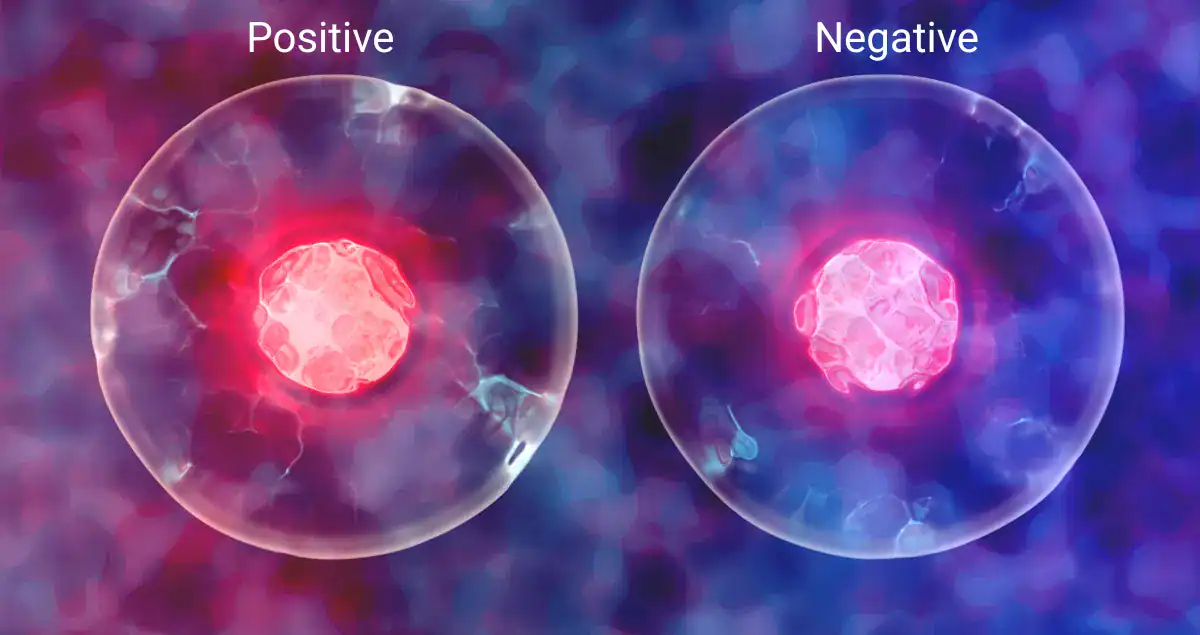
When a tissue sample is removed for cancer, whether during surgery, biopsy, or excision one of the most important things pathologists evaluate is margin status. Margin status describes whether cancer cells are present at or near the edge of the tissue that was removed.
Margins matter because they help doctors determine whether all of the cancer was excised or whether additional treatment may be needed. Understanding what your pathology report says about margins can guide follow-up surgery, radiation, or surveillance.
What “Margins” Mean in Pathology
A margin is the edge or boundary of the tissue that has been removed. Pathologists examine these edges carefully under the microscope to see if any cancer cells extend all the way to the cut edge.
If cancer is found at the margin, it is called a positive margin. If the edge is free of cancer, it is called a negative margin. Some reports also describe a close margin, which means cancer cells are near the edge but not directly at it.
Margin status is reported for every specimen removed, whether it is breast tissue, colon polyps, skin, or other organs. The exact distance from cancer cells to the edge is often documented in millimeters because it can influence management decisions.
Why Margin Status Matters
Margins are critical because they indicate whether any cancer may have been left behind. A positive or very close margin increases the risk of local recurrence, meaning cancer could grow back in the same area.
Negative margins reduce this risk, but your doctor may still consider the overall type and aggressiveness of the tumor, other risk factors, and the patient’s health in determining next steps.
Accurate margin assessment helps guide decisions about whether additional surgery, radiation, or other therapy is necessary. It can also affect the frequency and type of follow-up surveillance.

How Margins Are Evaluated
After a specimen is removed, the tissue is carefully oriented and inked to mark different sides. This allows the pathologist to identify exactly where the edges are in relation to the tumor.
Thin slices of the tissue are examined under a microscope to check for cancer cells at or near the inked edge. Immunohistochemical stains may sometimes be used to highlight cancer cells that are difficult to see.
Pathologists also describe the distance between tumor cells and the closest margin. This distance, along with the type of tumor, helps doctors interpret how complete the excision was.
Margin Status in Common Cancers
In breast cancer, margins are especially important after lumpectomy. A negative margin usually means no cancer is seen at the edge, while a close margin may trigger additional surgery or radiation.
In colon cancer, margins are evaluated after polyp removal or colectomy. Ensuring negative margins reduces the risk of cancer recurrence in the bowel.
In sarcomas or other soft tissue cancers, margins are carefully examined because these tumors can grow in irregular patterns, and leaving microscopic disease behind can increase recurrence risk.
Even in rare cancers or unusual sites, margin status remains a key part of the pathology report. For leukemia or blood cancers, the concept of margins does not apply in the same way, but similar principles guide whether residual disease is present after treatment.
What “Close Margins” Really Mean
A close margin does not always require additional surgery. The significance depends on the type of cancer, tumor biology, and standard guidelines. Some cancers can be treated with additional radiation rather than re-excision.
Honest Pathology can help patients understand the nuances of margin terminology, explaining whether a close margin is a cause for concern and what follow-up steps are typical.
Why Margin Status Can Be Confusing
Margin terminology varies slightly between institutions, and reports may include words like “involved,” “negative,” “close,” or “clear.” Patients may also see measurements in millimeters or fractions of an inch.
This can be overwhelming, especially when combined with information about tumor type, grade, or biomarkers. Having a clear explanation from Honest Pathology can make this information understandable, helping patients discuss options confidently with their doctor.
How Margin Status Influences Treatment Decisions
Margin status informs whether additional treatment is needed. For example, a positive margin may prompt:
- Further surgery to remove remaining tissue
- Radiation therapy to target residual cancer
- Close follow-up imaging or endoscopic surveillance
Negative margins usually indicate that surgery was sufficient, but treatment decisions may still consider other factors like tumor aggressiveness, lymph node involvement, and patient-specific risk.
Bottom Line
Margin status is one of the most actionable pieces of information in a pathology report. It answers the question: Was the cancer completely removed?
Positive or close margins may require additional treatment, while negative margins suggest a complete excision. Understanding this part of the pathology report is essential for patients and doctors alike.
Honest Pathology helps translate these technical findings into plain language, giving patients clarity and confidence in their care plan. By understanding margin status, patients can better participate in decisions about surgery, radiation, and follow-up, reducing uncertainty and empowering informed choices.