
 Informed Decisions
 Better Conversations
 Leave Empowered
Frequently Asked Questions
What is ulcerative colitis?
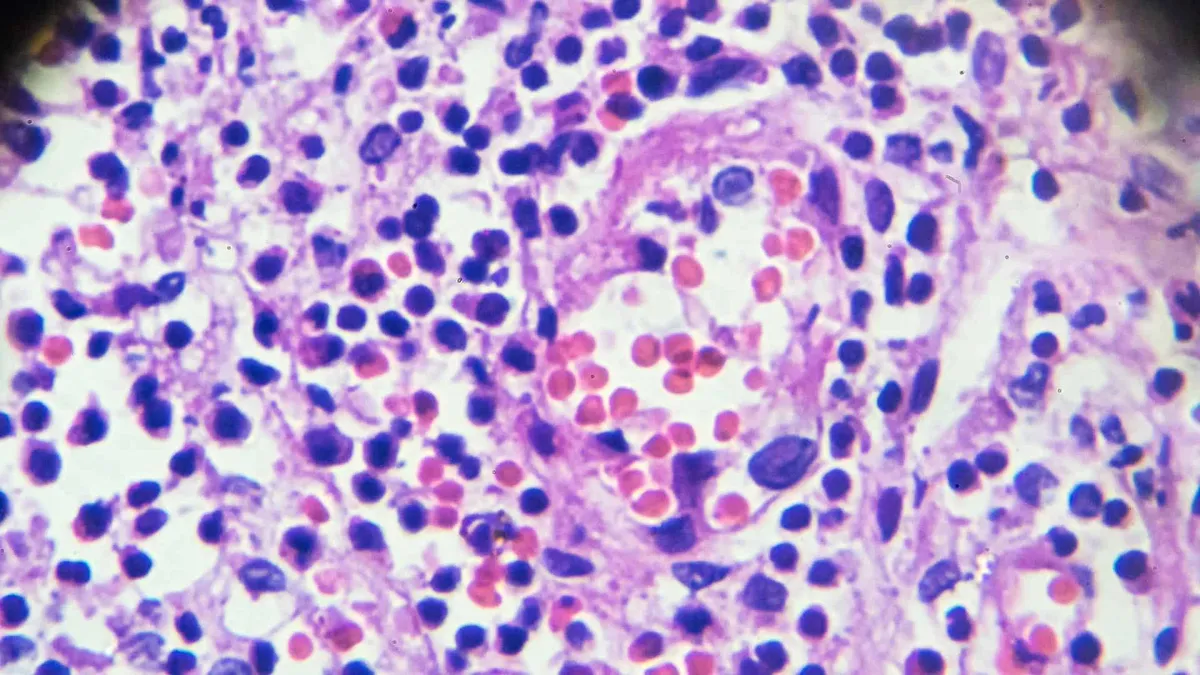
Ulcerative colitis is a type of inflammatory bowel disease that causes continuous inflammation in the lining of the colon and rectum.
What symptoms are common with ulcerative colitis?
Common symptoms include diarrhea, abdominal discomfort, rectal bleeding, urgency, and fatigue.
How is ulcerative colitis diagnosed?
Diagnosis involves endoscopy and biopsy, where tissue samples are examined to confirm inflammation and rule out other conditions.
What does inflammation in the report indicate?
Inflammation shows disease activity and helps determine severity, which guides treatment planning.
How is ulcerative colitis different from Crohn’s disease?
Ulcerative colitis affects only the colon and rectum with continuous inflammation, while Crohn’s can affect any part of the digestive tract in patches.
Can ulcerative colitis increase cancer risk?
Long-term inflammation may increase colon cancer risk, so regular monitoring and follow-up are important.
What role do biopsies play in diagnosis?
Biopsies confirm the diagnosis and show patterns of inflammation that help distinguish ulcerative colitis from other conditions.
How is follow-up care managed?
Ongoing care includes regular check-ups, medication adjustments, and monitoring to maintain remission and prevent complications.
Ready to Understand Your Diagnosis?
Don’t let confusion hold you back. Schedule an online consultation with our expert pathologists and get clear, personalized answers about your diagnosis — all from the comfort of home.