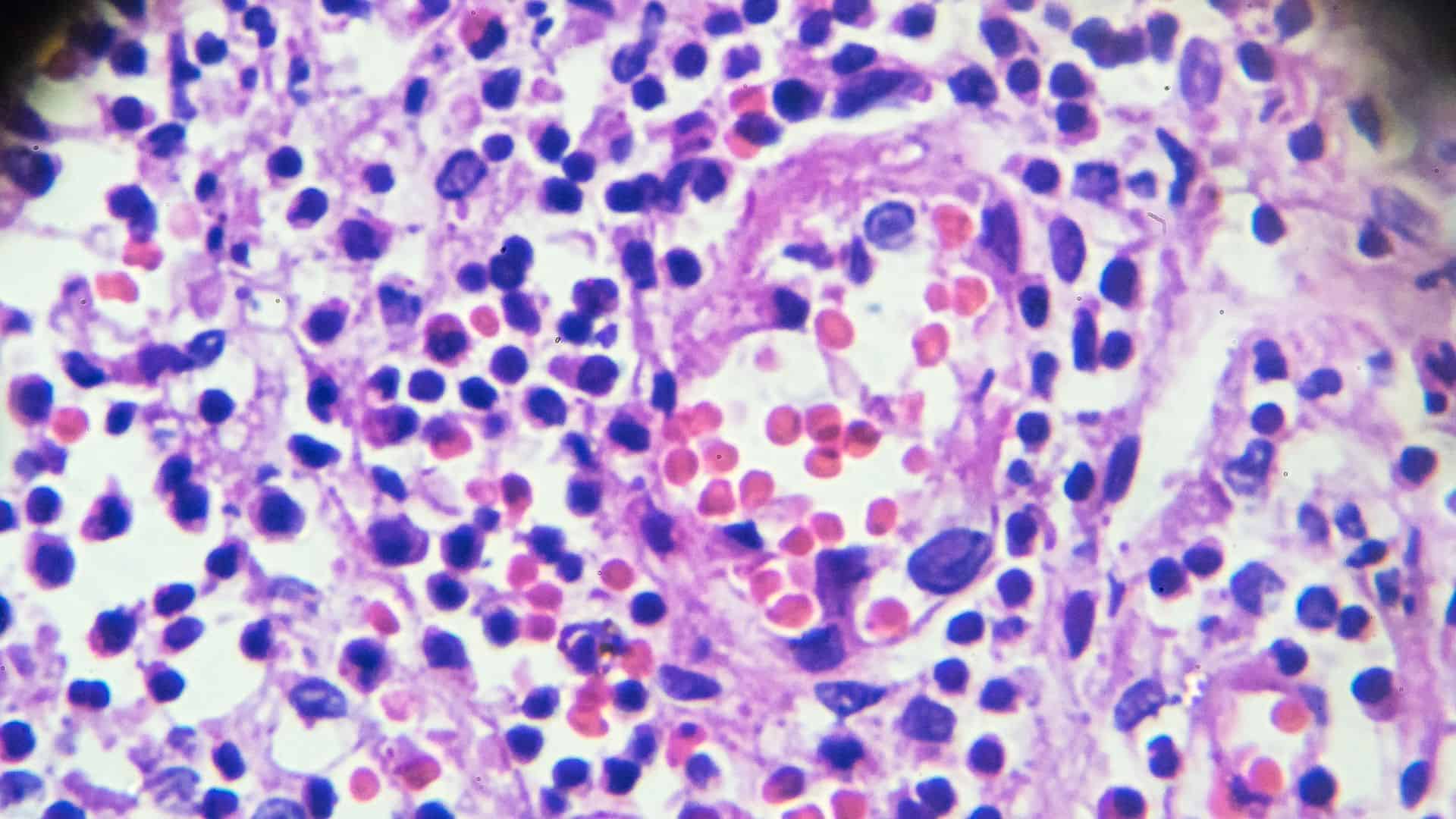
Understanding Your Thyroid Cancer Diagnosis
Guided Support to Help You Interpret Your Results
Thyroid cancer develops in the thyroid gland and can differ in type, growth pattern, and risk level. Your pathology report explains key details such as tumor type, size, and spread, helping your care team plan appropriate treatment and follow-up.
HONEST Pathology specialists review every part of your thyroid cancer report carefully, providing clear explanations and supportive guidance. We help you understand what each result means so you feel informed and confident about your diagnosis and next steps.
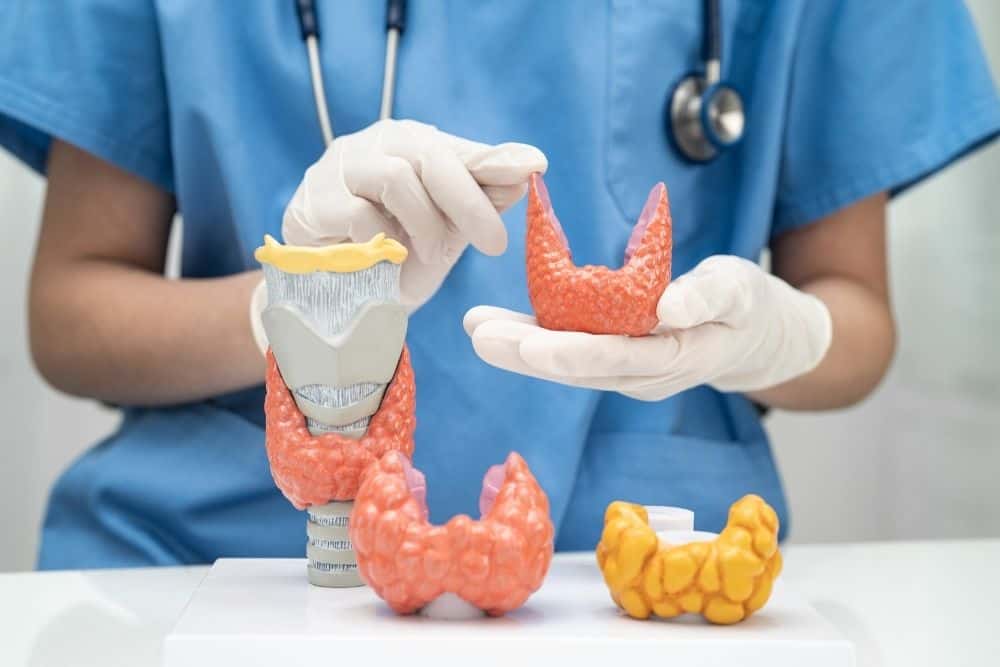

Informed Decisions

Better Conversations

Leave Empowered
Ready to Understand Your Diagnosis?
Don’t let confusion hold you back. Schedule an online consultation with our expert pathologists and get clear, personalized answers about your diagnosis — all from the comfort of home.
Frequently Asked Questions
Thyroid cancer begins in the cells of the thyroid gland, which helps regulate metabolism and hormone balance. Identifying the type and location helps guide treatment planning.
No. Many thyroid nodules are benign. Biopsy and pathology testing determine whether a nodule is cancerous and what type it may be.
Staging describes how far the cancer has spread. Early-stage cancers may require limited treatment, while more advanced stages may need additional therapies.
Microscopic examination and special tests identify whether it is papillary, follicular, medullary, or anaplastic thyroid cancer. Each behaves differently and influences treatment choices.
Larger tumors may carry a higher risk of spread, while smaller tumors often have excellent outcomes. Size helps determine surgery type and follow-up.
Lymph nodes are checked to see if cancer has spread beyond the thyroid. Positive nodes may change staging and treatment strategy.
Molecular testing can identify genetic mutations such as BRAF or RAS. These results may guide targeted therapy or influence surgical planning.
Radioactive iodine helps destroy remaining thyroid tissue or microscopic cancer cells after surgery in certain thyroid cancer types, improving long-term monitoring and outcomes.