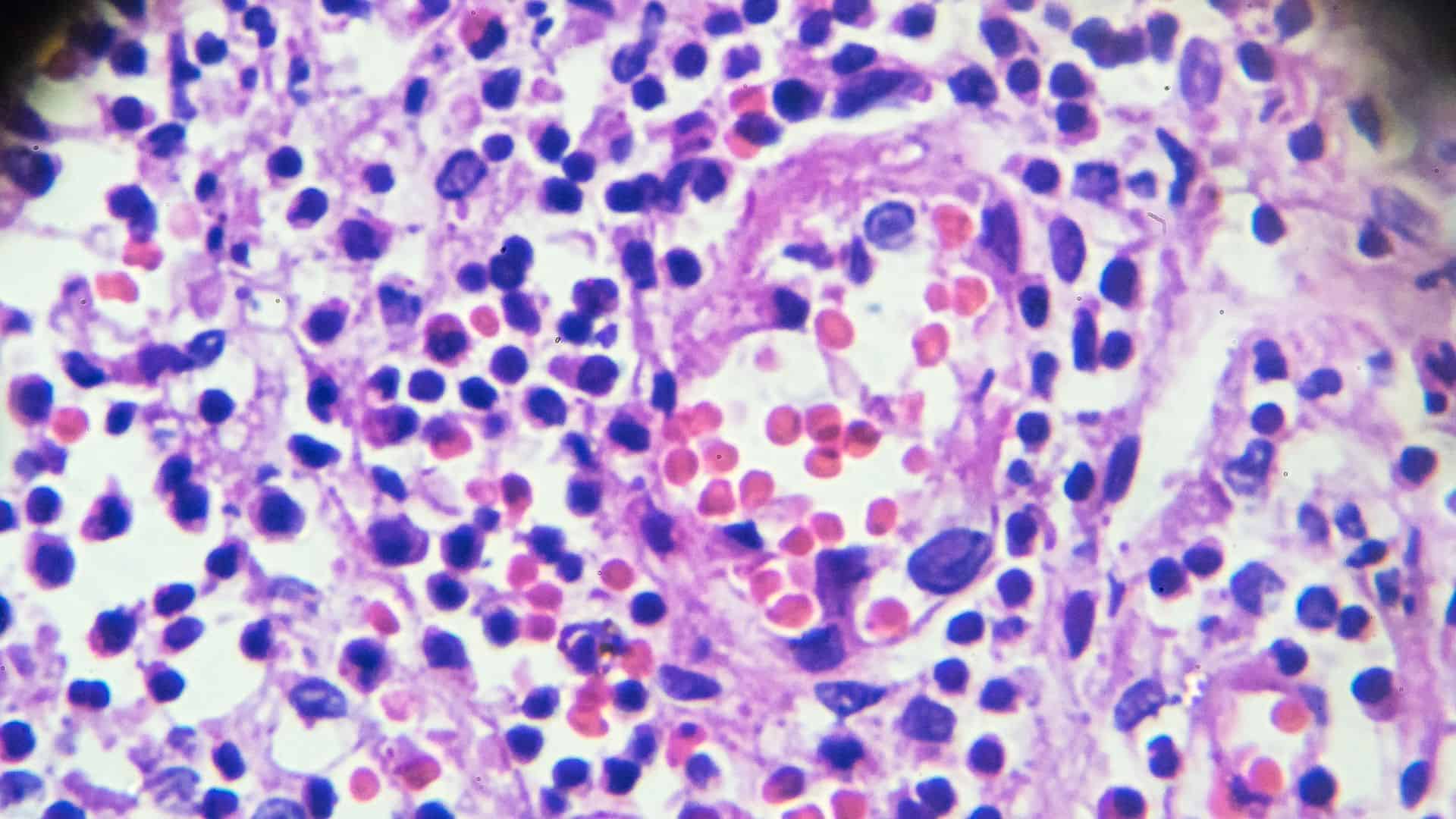
Understanding Your Throat Cancer Diagnosis
Clear, Supportive Insights for Your Diagnostic Findings
Throat cancer develops in the tissues of the pharynx or larynx and can vary in cell type, grade, and depth of spread. Your pathology report defines these features clearly, helping you and your care team make informed decisions about treatment and ongoing care.
HONEST Pathology specialists guide you through every part of your throat cancer report, providing clear explanations and compassionate support. We help you understand what each detail means so you feel confident in your diagnosis and the next steps ahead.


Informed Decisions

Better Conversations

Leave Empowered
Ready to Understand Your Diagnosis?
Don’t let confusion hold you back. Schedule an online consultation with our expert pathologists and get clear, personalized answers about your diagnosis — all from the comfort of home.
Frequently Asked Questions
A throat cancer pathology report details the tumor type, grade, size, depth of invasion, margin status, and whether cancer cells have spread to nearby tissues or lymph nodes. It may also include biomarker testing results that guide treatment planning.
The most common type is squamous cell carcinoma, which develops from the flat cells lining the pharynx or larynx. Less common subtypes may require specialized pathological evaluation.
Tumor grade describes how abnormal the cancer cells look under the microscope. Low-grade tumors tend to grow more slowly, while high-grade tumors may behave more aggressively and require more intensive treatment.
Human papillomavirus (HPV)–related throat cancers often have different biological behavior and prognosis compared to HPV-negative cancers. Pathology testing may include p16 or other markers to determine HPV status.
Margin status indicates whether cancer cells are present at the edge of removed tissue. Clear margins suggest the tumor was fully removed, while positive margins may require additional treatment.
Grading evaluates how abnormal the cells appear under a microscope, while staging describes how far the cancer has spread in the body. Pathology findings are essential for determining both.
Yes. A second pathology review can confirm tumor type, grade, and biomarker results, ensuring diagnostic accuracy before treatment decisions are finalized.
Pathology findings determine whether surgery, radiation therapy, chemotherapy, targeted therapy, or a combination approach is most appropriate based on tumor characteristics and spread.