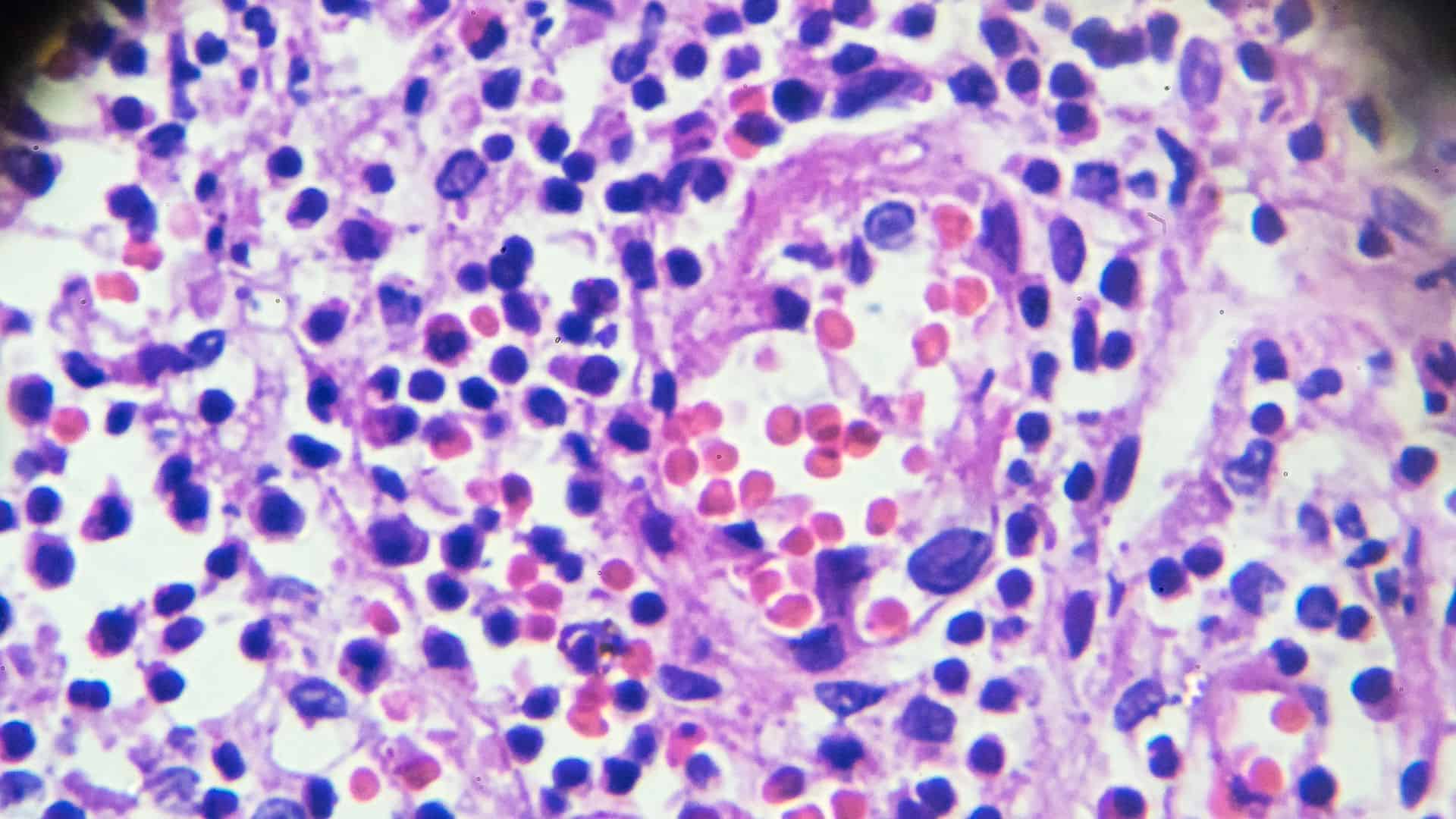
Understanding Your Testicular Cancer Diagnosis
Supportive Guidance to Help You Review Your Results
Testicular cancer arises in the tissue of the testicles and may differ in tumor type, growth pattern, and whether it has spread beyond the testicle. Your pathology report explains these details clearly, including tumor features, surrounding involvement, and any signs of spread. This information helps your physicians select the most appropriate treatment plan and follow-up strategy for you.
HONEST Pathology carefully evaluates each testicular cancer specimen and explains findings in clear, accessible language. Our goal is to help you understand what the results show so you feel informed, supported, and ready to move forward with confidence.
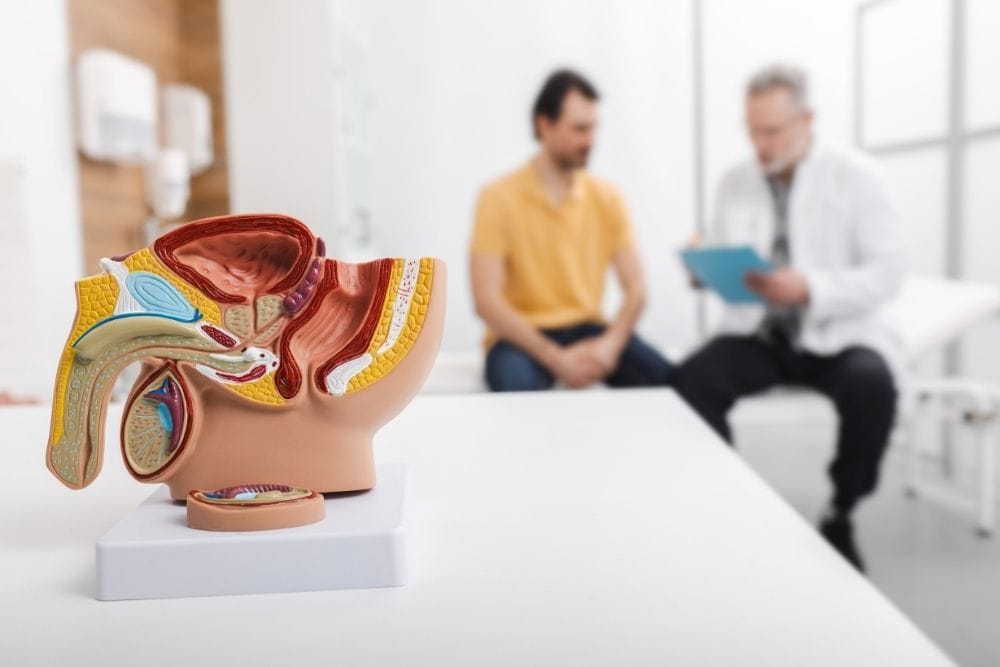

Informed Decisions

Better Conversations

Leave Empowered
Ready to Understand Your Diagnosis?
Don’t let confusion hold you back. Schedule an online consultation with our expert pathologists and get clear, personalized answers about your diagnosis — all from the comfort of home.
Frequently Asked Questions
Testicular cancer develops from abnormal cells inside the testicle, most often arising from germ cells that normally make sperm.
Diagnosis is confirmed after the testicle is removed and examined under the microscope. Pathologists identify the cancer type and key features that guide treatment.
No. Some are seminomas and others are nonseminomas, and each behaves differently and may require different treatment approaches.
Blood tests like AFP, beta hCG, and LDH help evaluate tumor activity and can be used to monitor treatment response and recovery.
If cancer cells are found in lymph nodes or other organs, the disease stage is higher and treatment recommendations may change.
Margins describe whether cancer was present at the edges of the removed tissue. Clear margins suggest that the tumor was fully removed.
It can in some cases. Many patients are encouraged to discuss sperm banking before treatment begins.
Yes. Regular imaging, blood work, and clinic visits help detect recurrence early and ensure that you continue to do well over time.