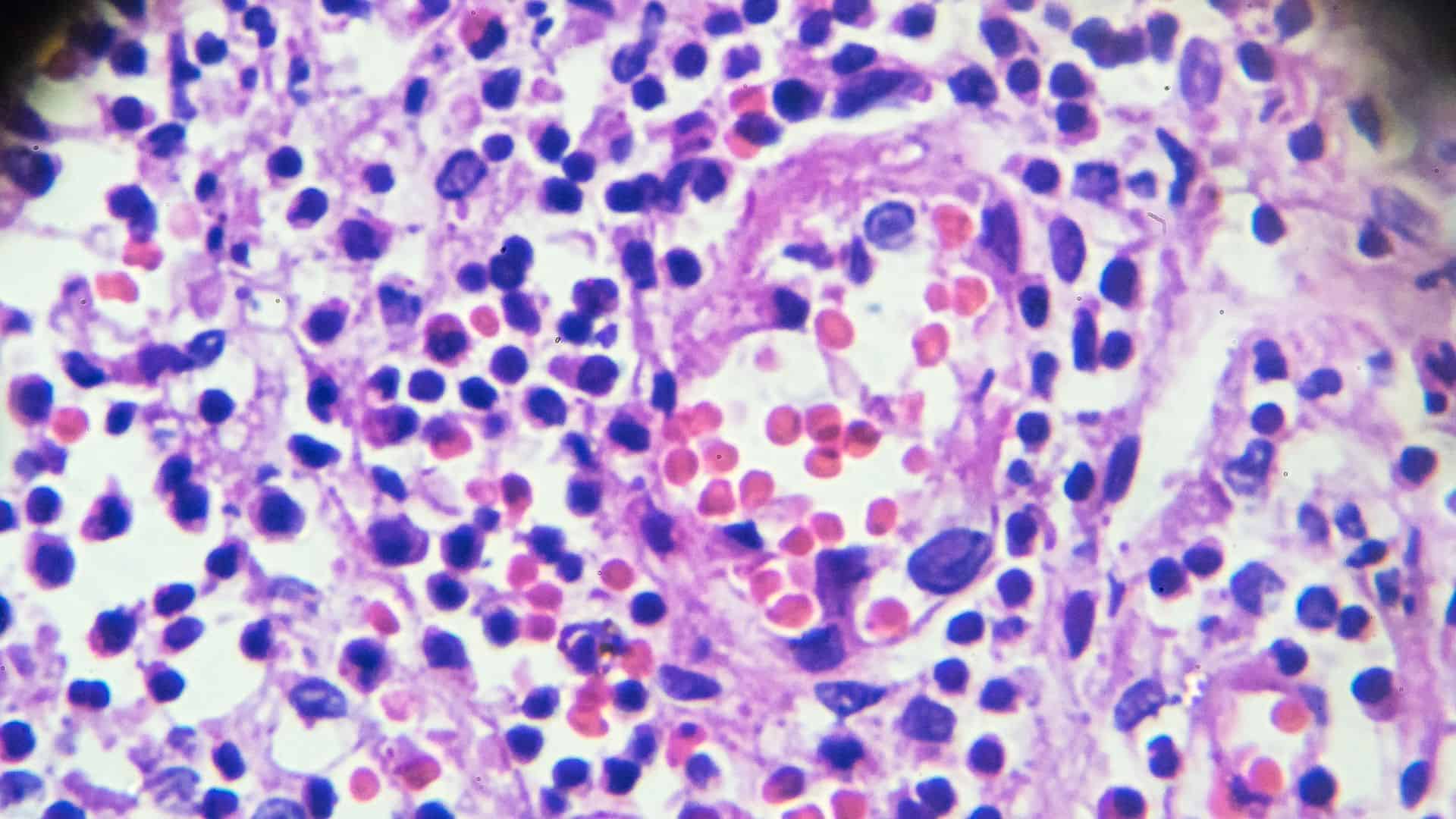
Understanding Your Stomach Cancer Diagnosis
Clear, Supportive Insight Into Your Pathology Findings
Stomach cancer originates in the lining of the stomach and can vary by cell type, tumor grade, and depth of invasion. Your pathology report outlines these details clearly, giving you and your care team the information needed to make informed decisions about treatment and ongoing management.
HONEST Pathology specialists guide you through every aspect of your stomach cancer report, offering clear explanations and compassionate support. We ensure you understand what each finding means so you feel confident and prepared to take the next steps in your care.


Informed Decisions

Better Conversations

Leave Empowered
Ready to Understand Your Diagnosis?
Don’t let confusion hold you back. Schedule an online consultation with our expert pathologists and get clear, personalized answers about your diagnosis — all from the comfort of home.
Frequently Asked Questions
It identifies tumor type, grade, size, depth of invasion, margin status, and whether cancer has spread to lymph nodes or surrounding tissues. Biomarker or molecular testing may also be included for treatment planning.
The most common type is adenocarcinoma, which arises from the stomach lining. Less common types include lymphoma, gastrointestinal stromal tumors, and neuroendocrine tumors, each requiring specialized evaluation.
Tumor grade describes how abnormal the cancer cells appear under a microscope. Higher-grade tumors may grow and spread more aggressively than lower-grade tumors.
Margin status indicates whether cancer cells are present at the edges of surgically removed tissue. Clear margins suggest complete removal, while positive margins may require additional treatment.
Pathology evaluation of lymph nodes shows whether the cancer has spread beyond the stomach. Lymph node status helps determine staging, prognosis, and treatment strategy.
Yes. Tests for markers such as HER2 or PD-L1 can help guide targeted therapy or immunotherapy, providing a more personalized treatment approach.
A second opinion is recommended for complex cases, unusual tumor subtypes, or before major treatment decisions to ensure diagnostic accuracy and confidence in the treatment plan.
Pathology findings determine the best treatment options, which may include surgery, chemotherapy, radiation therapy, targeted therapy, or a combination, based on tumor type, stage, and biological behavior.