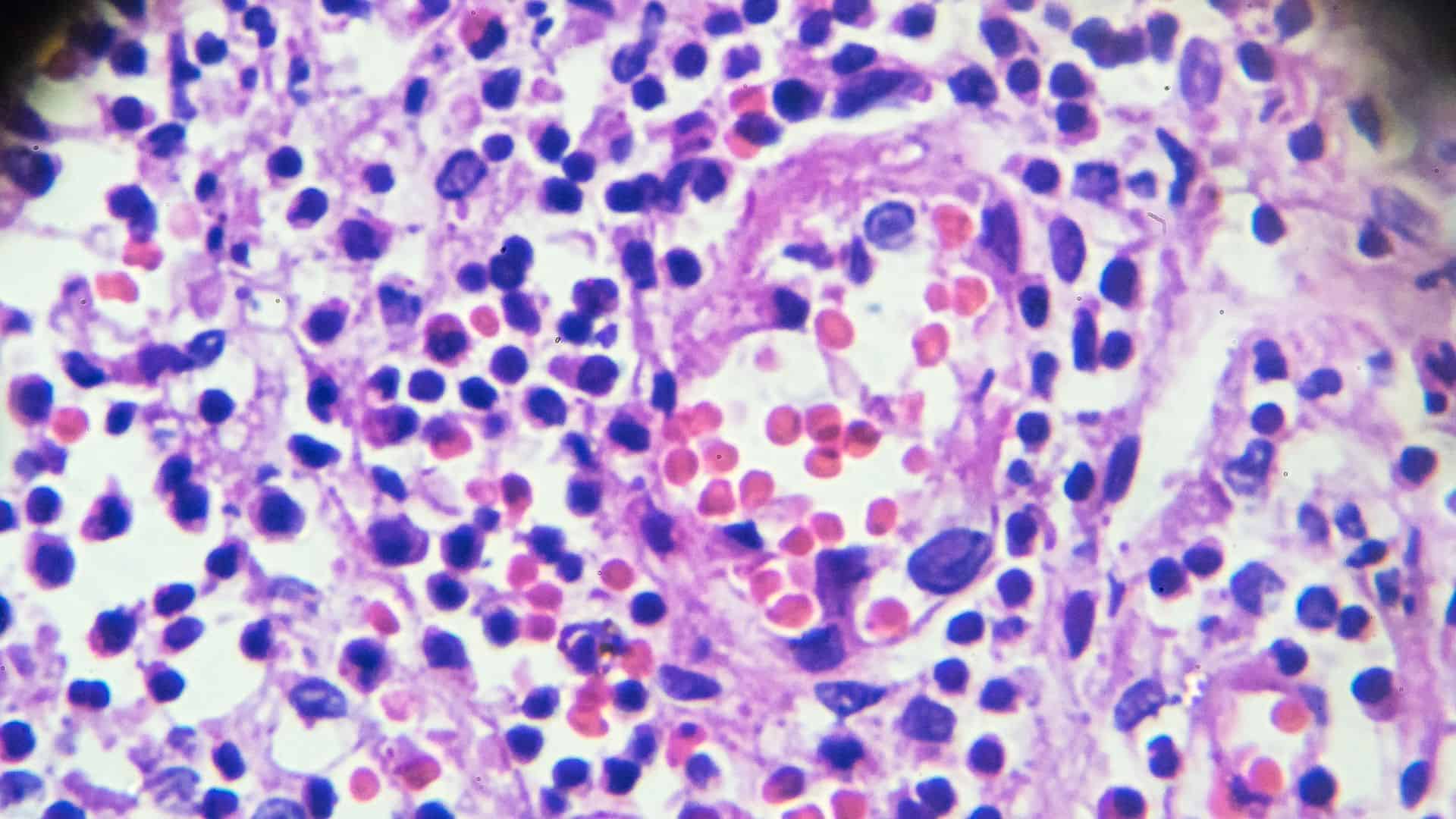
Understanding Your Prostate Cancer Diagnosis

Compassionate Clarity for Your Results

Prostate cancer develops in the prostate gland and can vary in aggressiveness, grade, and spread. Your pathology report provides detailed insights into the tumor, helping you and your care team make informed decisions about treatment options.

We take the time to carefully review your prostate cancer pathology report, explaining findings in plain, understandable language and providing guidance to help you move forward with confidence.

Informed Decisions

Better Conversations

Leave Empowered

Peace of Mind

Guided Next Steps

Ready to Understand Your Diagnosis?

Don’t let confusion hold you back. Schedule an online consultation with our expert pathologists and get clear, personalized answers about your diagnosis — all from the comfort of home.

Frequently Asked Questions

The Gleason score indicates how aggressive the tumor cells appear. Higher scores may require more intensive treatment, helping your care team tailor the best plan.

PSA (prostate-specific antigen) levels help track cancer activity and guide treatment decisions alongside pathology results.

Pathologists examine tissue samples to assess tumor size, location, and spread, providing crucial information for treatment planning.

Yes. Tests for mutations like BRCA1 or BRCA2 can inform personalized treatment and help assess family risk.

Cancer in nearby lymph nodes affects staging and helps doctors decide on surgery, radiation, or systemic therapies.

Tumor grade describes how abnormal the cancer cells look under the microscope and helps predict aggressiveness and treatment needs.

Imaging tests like MRI or CT scans show tumor location and spread, complementing pathology findings for accurate treatment planning.

Knowing the details of your tumor helps you and your care team choose the most effective therapies, monitor progress, and plan follow-up care with confidence.


Chat
HONEST Pathology
educational support · not medical advice