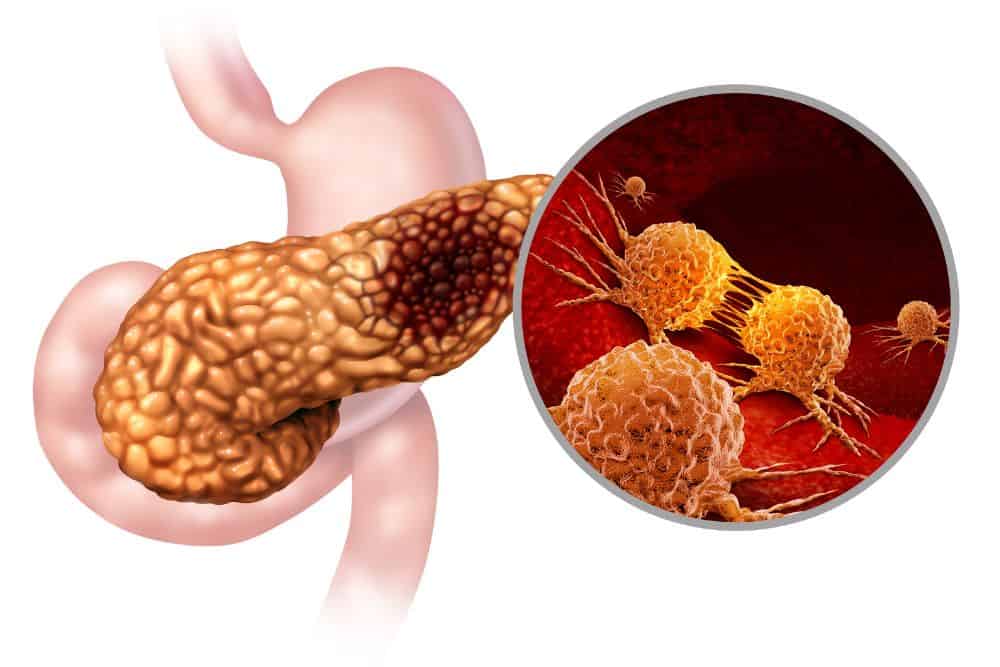
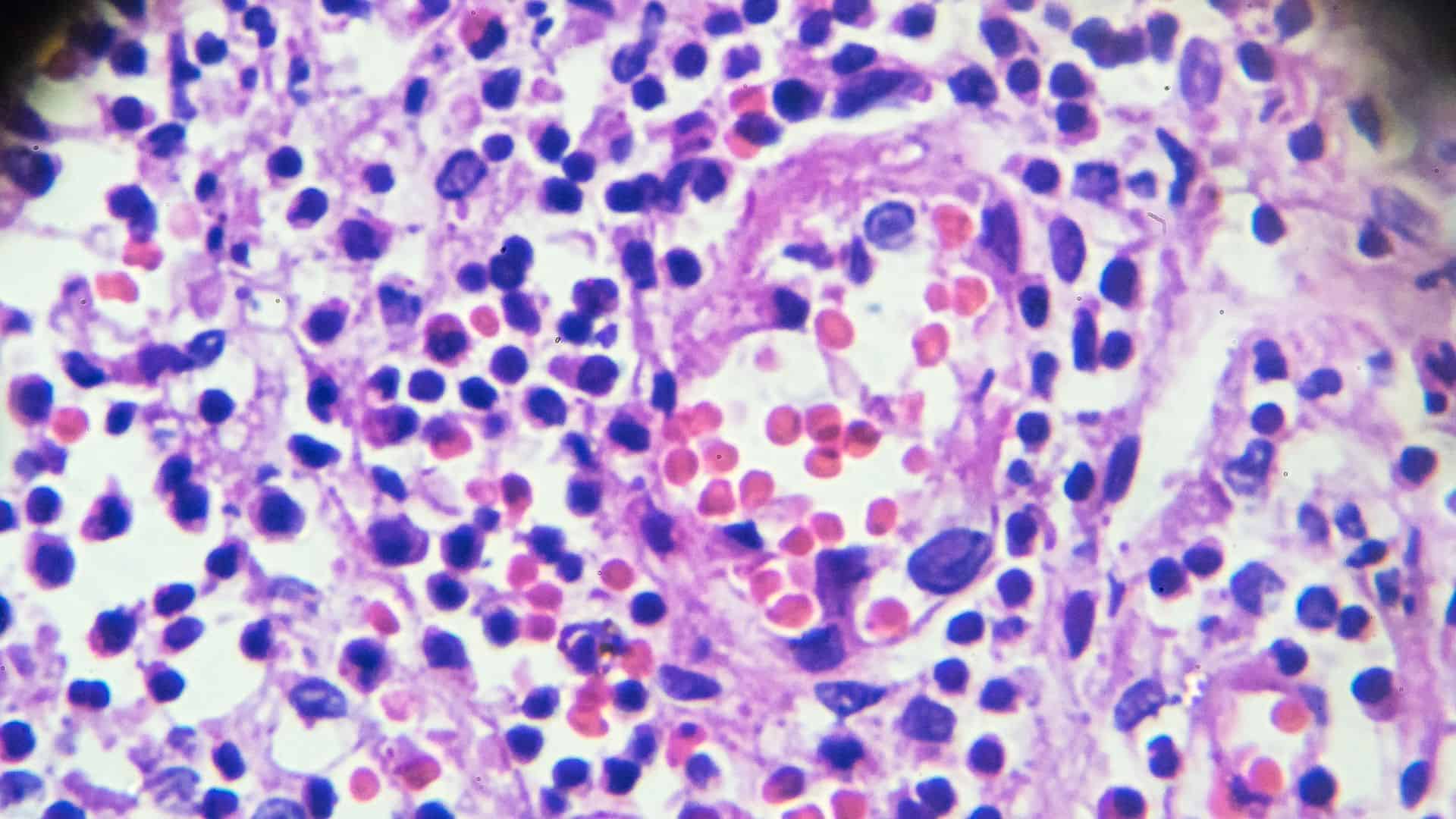
Pancreatic cancer develops in the tissues of the pancreas and can vary in type, location, and aggressiveness. Your pathology report highlights key features such as tumor type, grade, and involvement of nearby structures, helping your care team guide treatment and follow-up.
HONEST Pathology specialists carefully review every part of your pancreatic cancer report, providing clear explanations and supportive guidance. We help you understand what each finding means so you can feel informed and confident in your diagnosis and next steps.
Don’t let confusion hold you back. Schedule an online consultation with our expert pathologists and get clear, personalized answers about your diagnosis — all from the comfort of home.
Pancreatic cancer develops in the pancreas, an organ that produces enzymes and hormones like insulin. It often begins in the ducts or cells that make digestive enzymes.
The most common type is pancreatic ductal adenocarcinoma. Identifying the type helps your care team select the most effective surgical or medical treatments.
Clear surgical margins mean no cancer cells are present at the edges of removed tissue. Positive margins may require additional therapy to reduce recurrence risk.