 Informed Decisions
 Better Conversations
 Leave Empowered
Frequently Asked Questions
What information is included in an oral cancer pathology report?
An oral cancer pathology report identifies the tumor type, grade, size, depth of invasion, margin status, and whether cancer has spread to nearby tissues or lymph nodes. It may also include biomarker or molecular testing results when clinically indicated.
What is the most common type of oral cancer?
The most common type is squamous cell carcinoma, which develops from the lining cells of the mouth. Other rare subtypes require specialized pathological evaluation for accurate classification.
What does depth of invasion mean in oral cancer?
Depth of invasion measures how far the tumor has penetrated beneath the surface lining of the mouth. This finding is important because it helps determine staging, prognosis, and treatment planning.
Why is margin status important after oral cancer surgery?
Margin status indicates whether cancer cells are present at the edge of the removed tissue. Clear margins suggest complete removal, while positive margins may require additional treatment such as radiation therapy.
How is oral cancer graded?
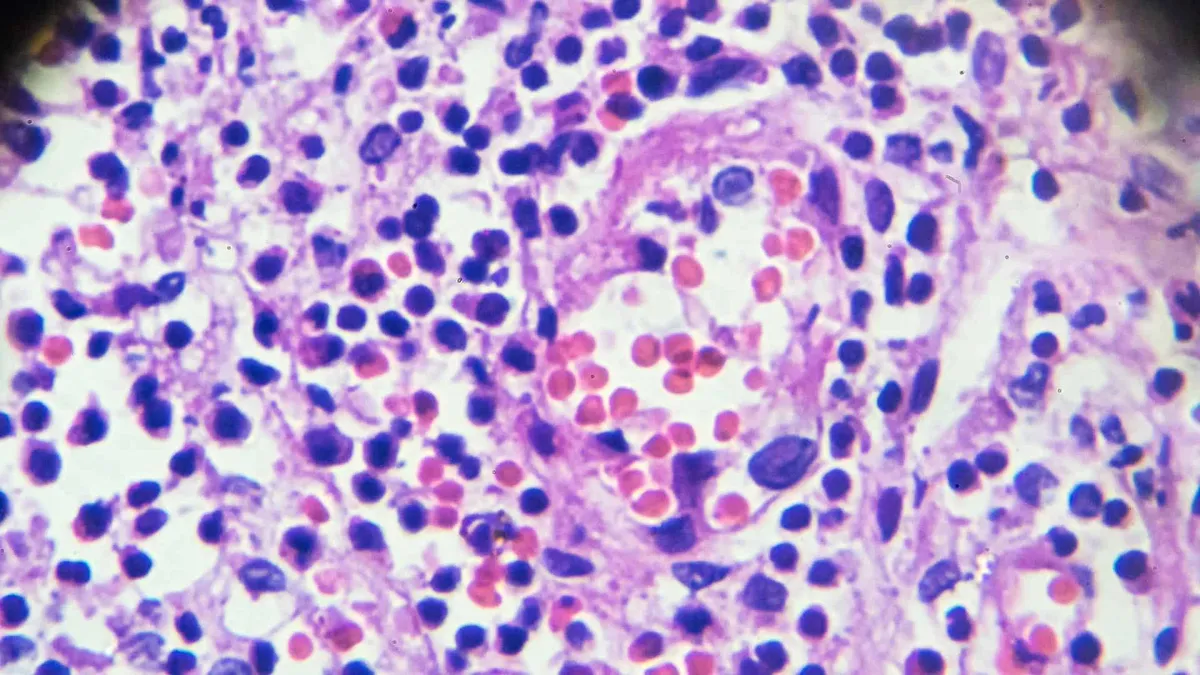
Grading evaluates how abnormal the cancer cells appear under the microscope. Higher-grade tumors tend to grow and spread more aggressively than lower-grade tumors.
Can oral cancer spread to lymph nodes?
Yes. Oral cancer can spread to nearby lymph nodes in the neck. Pathology assessment of lymph nodes helps determine stage and guides decisions about further treatment.
When is a second opinion on an oral cancer diagnosis recommended?
A second pathology review may be recommended when findings are complex, when rare tumor subtypes are suspected, or before initiating major treatment to confirm diagnostic accuracy.
How do pathology findings influence oral cancer treatment?
Pathology results guide decisions regarding surgery, radiation therapy, chemotherapy, or combined treatment approaches based on tumor type, stage, and biological behavior.
Ready to Understand Your Diagnosis?
Don’t let confusion hold you back. Schedule an online consultation with our expert pathologists and get clear, personalized answers about your diagnosis — all from the comfort of home.