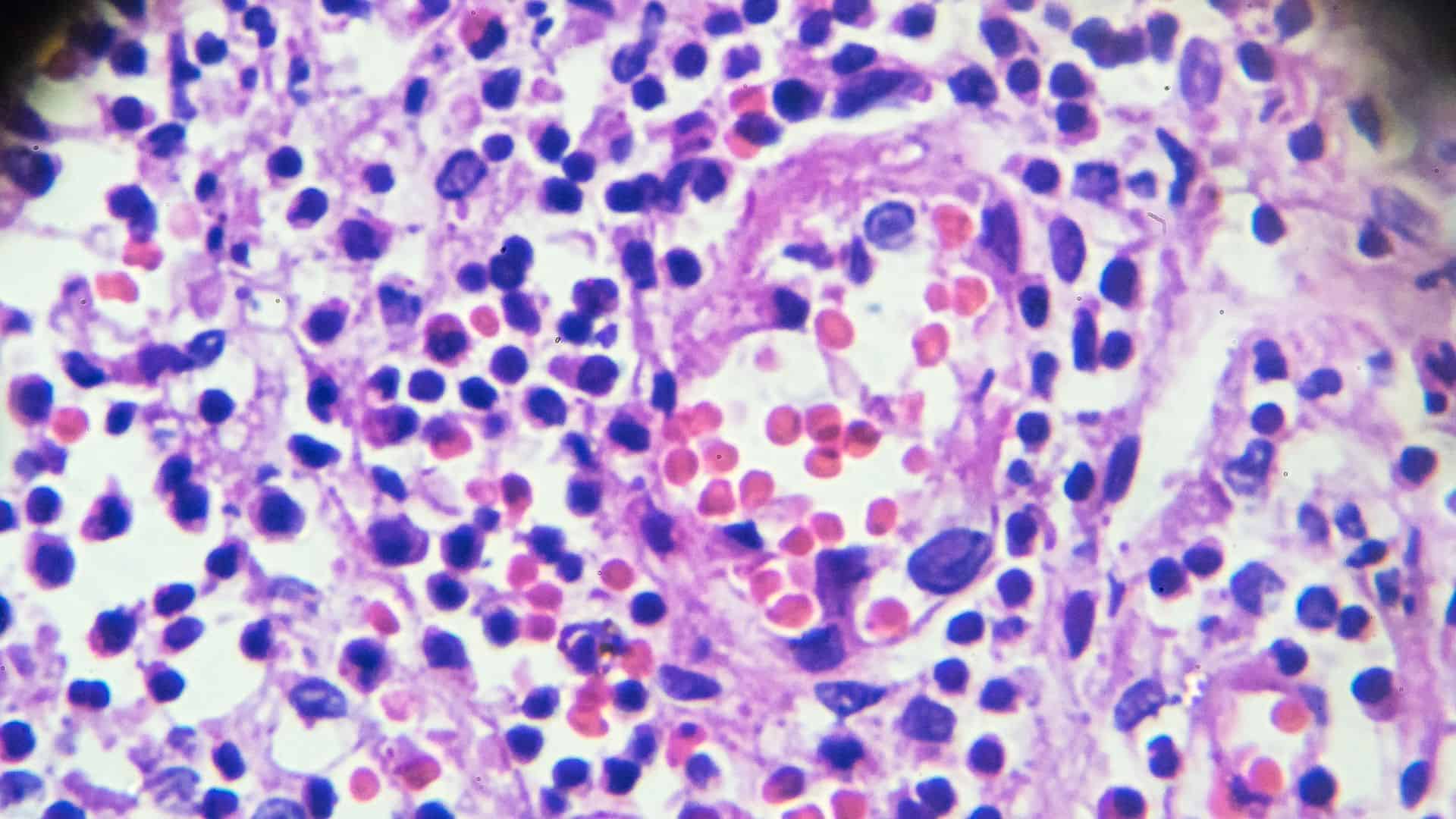
Melanoma develops in the pigment-producing cells of the skin and can vary in type, thickness, and aggressiveness. Your pathology report details the tumor’s depth, ulceration, and other key features, helping your care team guide treatment and follow-up.
HONEST Pathology specialists review each part of your melanoma report carefully, offering clear explanations and supportive guidance. We help you understand what each finding means for your treatment options and next steps, empowering you to feel confident in your care plan.
Don’t let confusion hold you back. Schedule an online consultation with our expert pathologists and get clear, personalized answers about your diagnosis — all from the comfort of home.
Melanoma can be superficial spreading, nodular, lentigo maligna, or acral lentiginous. Identifying the type helps your care team choose the most effective surgical or medical therapies.
The thickness (Breslow depth) shows how deeply melanoma has penetrated the skin. Thicker tumors may require more aggressive treatment and closer follow-up.
If melanoma cells are found in nearby lymph nodes, it indicates a higher risk of spread. This information helps your team determine the need for additional therapy.
Immunotherapy can help the immune system recognize and attack melanoma cells, especially in advanced cases or when certain genetic markers are present.