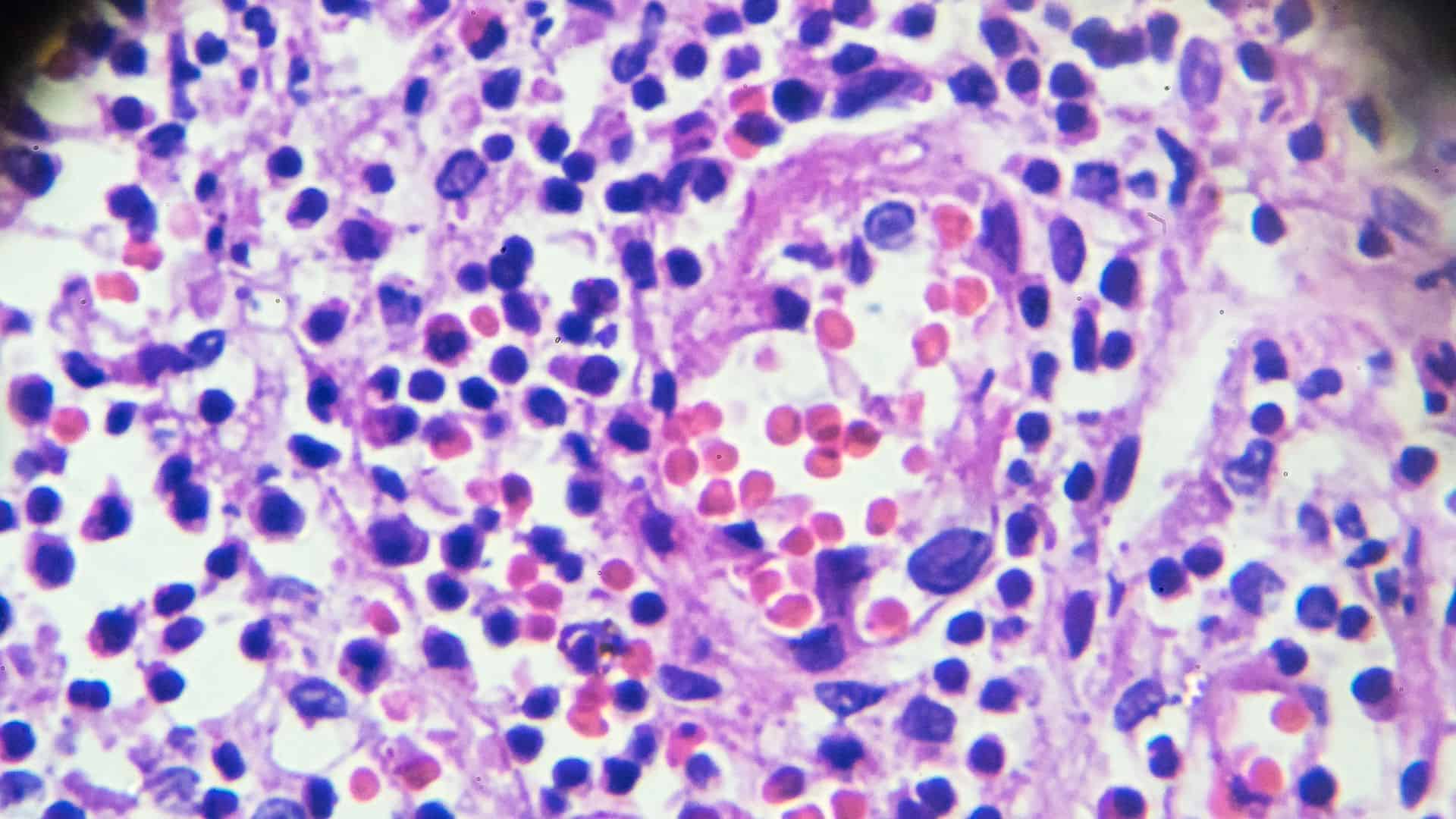
Understanding Your Lymphoma Diagnosis
Clear, Supportive Guidance for Your Results
Lymphoma is a cancer of the lymphatic system that can differ in type, grade, and spread. Your pathology report explains key tumor features, helping your care team guide treatment and follow-up so you can make informed decisions.
HONEST Pathology specialists review each part of your lymphoma report carefully, offering clear explanations and supportive guidance. We help you understand what each finding means so you feel informed, reassured, and confident about your next steps.
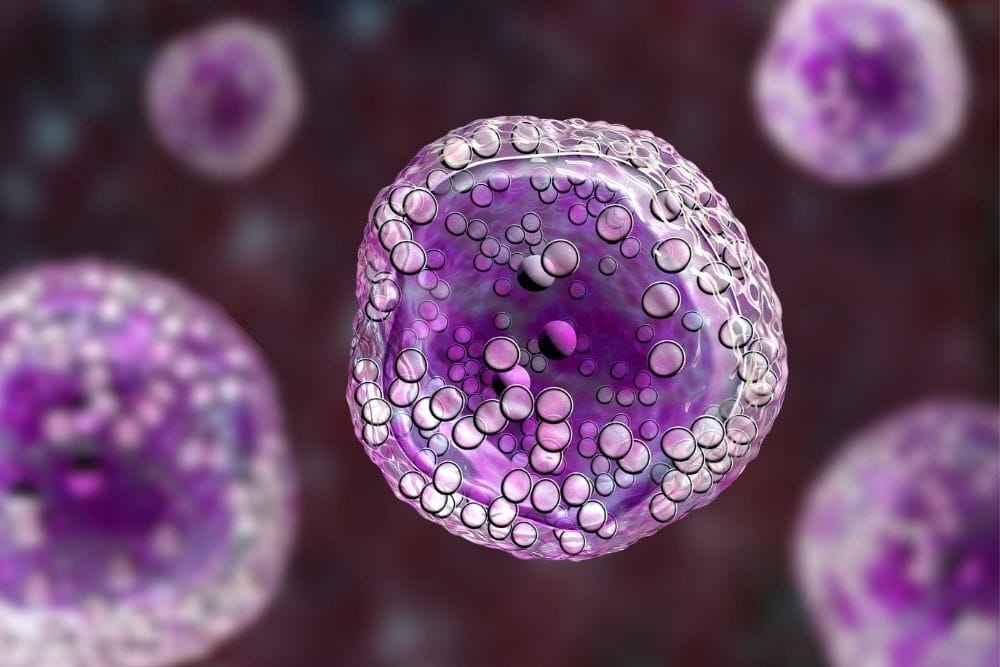

Informed Decisions

Better Conversations

Leave Empowered
Ready to Understand Your Diagnosis?
Don’t let confusion hold you back. Schedule an online consultation with our expert pathologists and get clear, personalized answers about your diagnosis — all from the comfort of home.
Frequently Asked Questions
Lymphoma is a cancer that begins in lymphocytes, the white blood cells of the immune system, and can affect lymph nodes, spleen, and other organs.
Yes. The main types are Hodgkin and non-Hodgkin lymphoma, and each type has subtypes with different behavior and treatment approaches.
Diagnosis involves biopsy of affected lymph nodes or tissue, blood tests, and imaging studies to assess extent and subtype.
Staging shows whether lymphoma is localized or has spread to multiple areas. This guides treatment intensity and approach.
Grade describes how fast the cancer cells are growing. High-grade lymphomas grow quickly and often require more aggressive treatment.
Molecular and genetic testing can identify specific markers that help guide targeted therapies and predict response.
Treatment depends on the type, stage, grade, and patient factors. Options may include chemotherapy, immunotherapy, targeted therapy, or a combination.
Regular blood tests, imaging, and clinic visits help monitor response, detect recurrence early, and support long-term health.