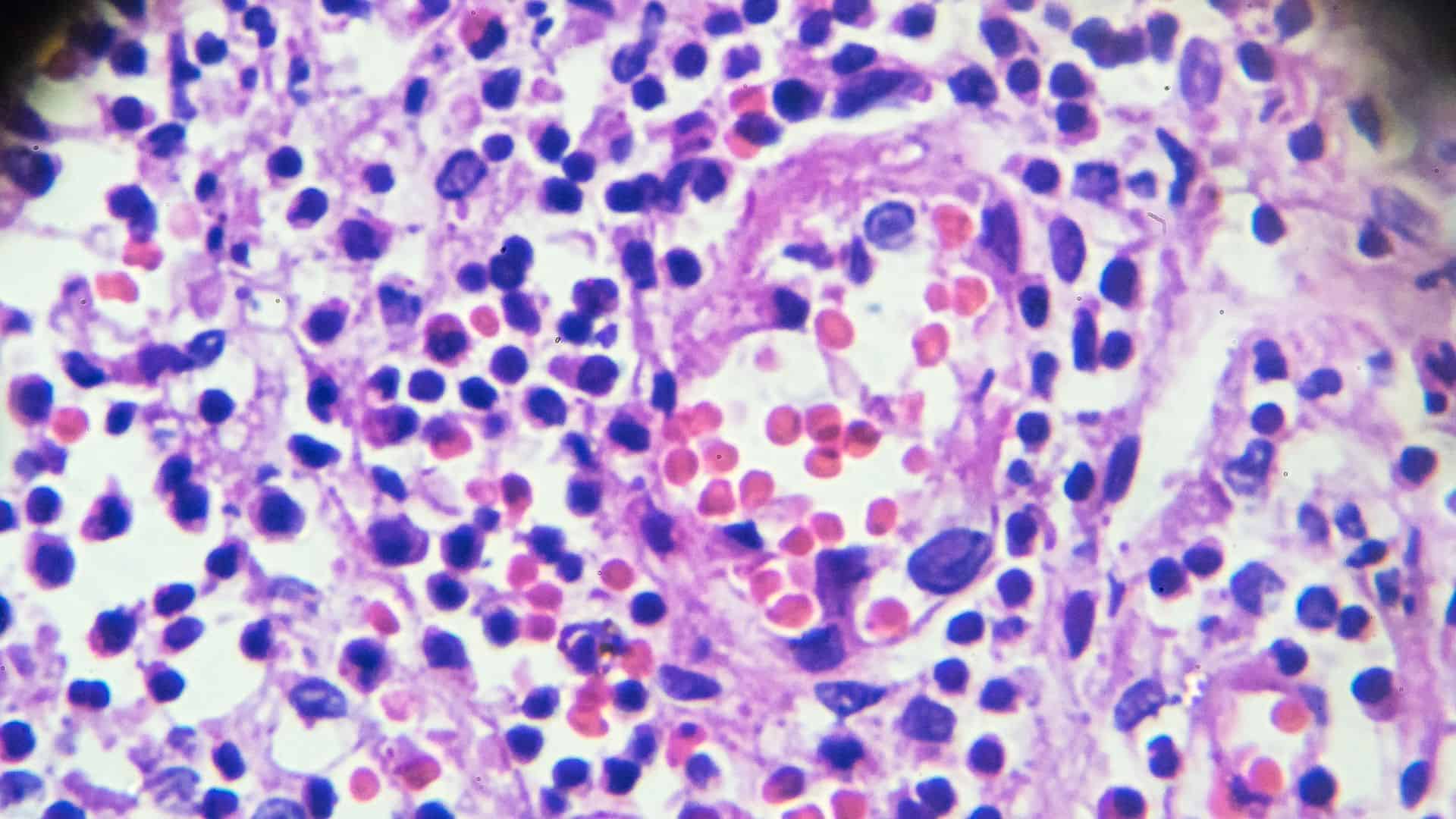
Understanding Your Liver Cirrhosis Diagnosis
Clear Information for Reviewing Your Pathology Results
Liver cirrhosis is a condition in which healthy liver tissue is gradually replaced by scar tissue, affecting the liver’s ability to function normally. A pathology report can help confirm the presence and extent of scarring, providing important information about the condition of the liver and any underlying disease processes.
HONEST Pathology specialists carefully evaluate liver tissue samples and explain your findings in clear, understandable language. We are committed to helping you better understand your diagnosis, the significance of your pathology results, and the information you may need for ongoing medical care.
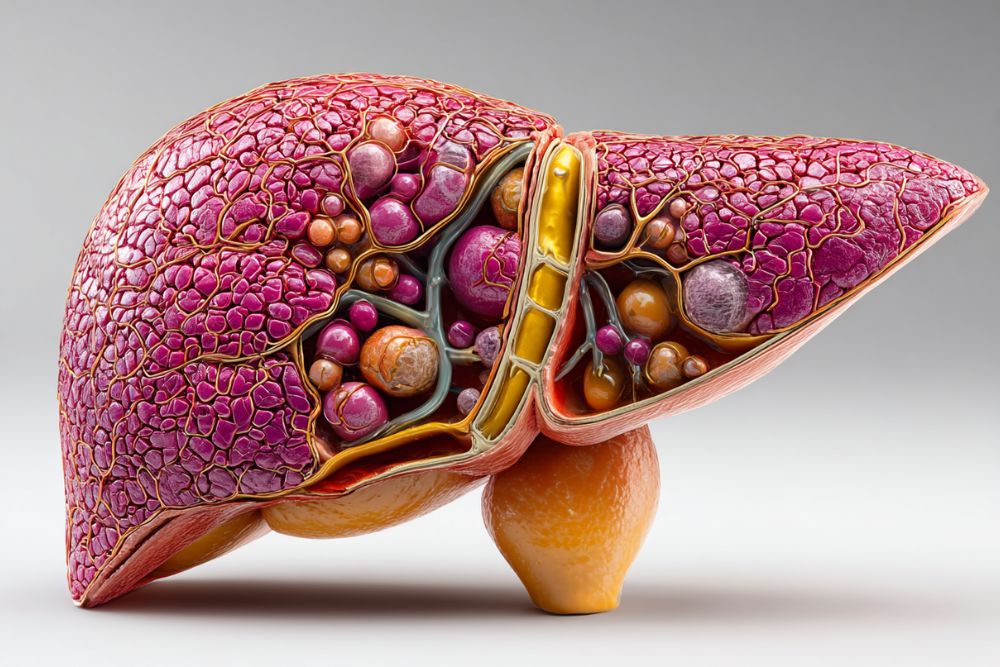

Informed Decisions

Better Conversations

Leave Empowered
Ready to Understand Your Diagnosis?
Don’t let confusion hold you back. Schedule an online consultation with our expert pathologists and get clear, personalized answers about your diagnosis — all from the comfort of home.
Frequently Asked Questions
Liver cirrhosis is advanced scarring of the liver that develops after long-term injury or inflammation, leading to permanent structural changes in liver tissue.
Common causes include chronic viral hepatitis, fatty liver disease, excessive alcohol use, autoimmune liver disorders, and certain inherited conditions.
Diagnosis may involve blood tests, imaging studies, liver biopsy, and evaluation of clinical symptoms to assess liver health.
A liver biopsy allows pathologists to examine tissue directly and determine the degree of scarring, inflammation, and other microscopic changes.
While established scar tissue is generally permanent, treating the underlying cause may help slow or prevent further liver damage.
Fibrosis refers to the buildup of scar tissue within the liver. Cirrhosis represents the most advanced stage of fibrosis.
Symptoms can include fatigue, abdominal swelling, jaundice, easy bruising, loss of appetite, or fluid retention, although some patients have few symptoms initially.
Your healthcare provider may recommend additional testing, ongoing monitoring, lifestyle changes, and treatment plans designed to support liver function and manage complications.