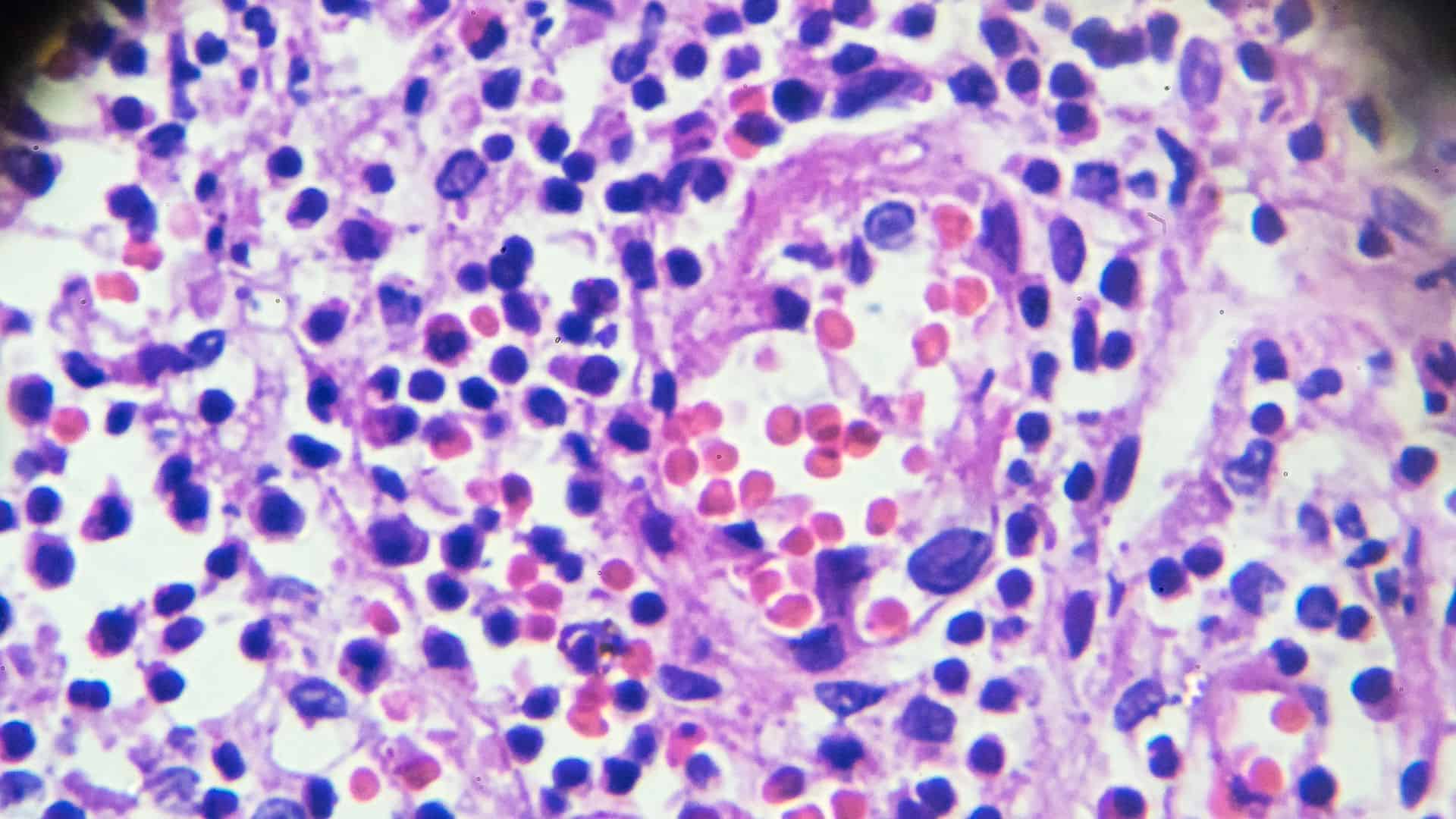
Understanding Your Leukemia Diagnosis
Simple Explanations for Complex Results
Leukemia is a cancer of the blood and bone marrow that affects how white blood cells develop and function. Your pathology report and laboratory results describe the specific type of leukemia, how fast it is growing, and how it may respond to treatment. These details help your care team determine the most appropriate plan for your condition and ongoing monitoring.
HONEST Pathology reviews each leukemia case with precision and care, explaining complex findings in simple, supportive language. Our goal is to help you feel informed, reassured, and confident as you discuss treatment options with your medical team.
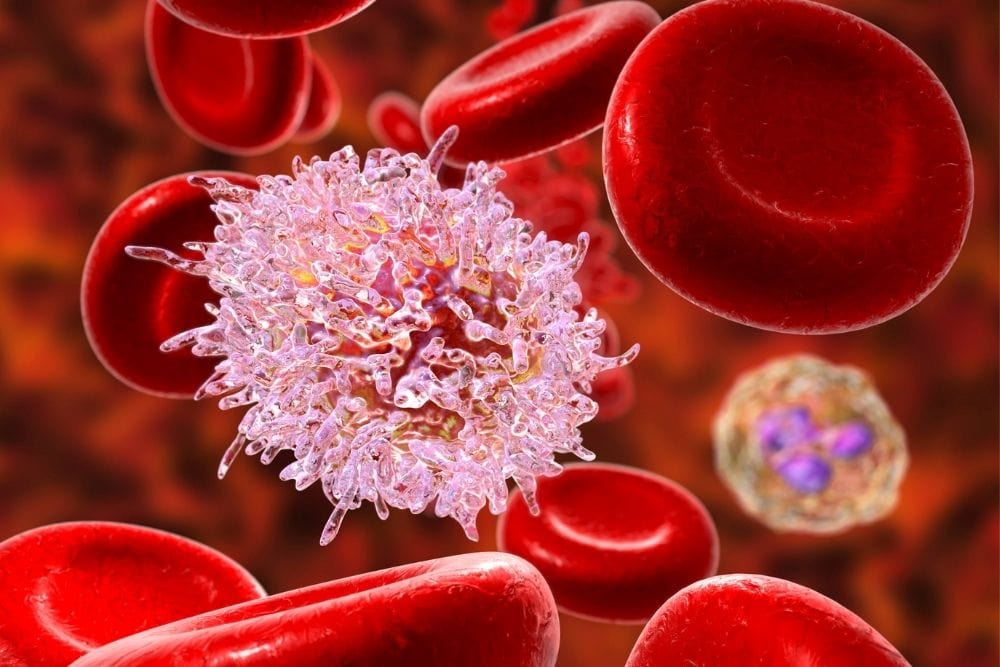

Informed Decisions

Better Conversations

Leave Empowered
Ready to Understand Your Diagnosis?
Don’t let confusion hold you back. Schedule an online consultation with our expert pathologists and get clear, personalized answers about your diagnosis — all from the comfort of home.
Frequently Asked Questions
Leukemia is a cancer that begins in the blood-forming tissues of the bone marrow and leads to abnormal white blood cell production.
Yes. Leukemia may be acute or chronic, and it can involve different kinds of white blood cells. Identifying the exact type is essential for treatment planning.
Diagnosis often involves blood tests, bone marrow biopsy, and specialized studies that evaluate cell appearance, genetics, and markers on the cell surface.
Acute leukemia grows quickly and needs prompt treatment. Chronic leukemia usually progresses more slowly and may be monitored before treatment begins.
Genetic and molecular tests help determine how the leukemia behaves and which therapies are most likely to work effectively.
Blasts are immature cells. A higher percentage in blood or bone marrow can indicate more aggressive disease and influences staging and treatment.
Many patients receive chemotherapy, targeted treatments, or immunotherapies. Recommendations depend on the type of leukemia and its specific features.
Regular blood work and monitoring help assess treatment response, detect complications early, and support long term disease management.