Hearing the words “you have cancer” can be one of the most overwhelming moments in anyone’s life. Suddenly, you’re facing a flood of information, medical terms you’ve never heard before, and a whirlwind of emotions, fear, confusion, and uncertainty about what comes next.
One of the best ways to regain a sense of control is to come prepared with questions when you meet your oncologist. Your oncologist is a key member of your care team, responsible for managing cancer treatment, explaining your options, and guiding you through each step. The right questions can help you better understand your diagnosis, treatment choices, and what to expect in the days ahead.
At Honest Pathology™, we believe knowledge is power. Understanding your pathology report, and knowing what to ask next, helps you feel more confident and involved in your care decisions. In this guide, we’ll walk you through how to prepare meaningful, easy-to-understand questions to bring to your oncologist appointment.
Start With Your Pathology Report
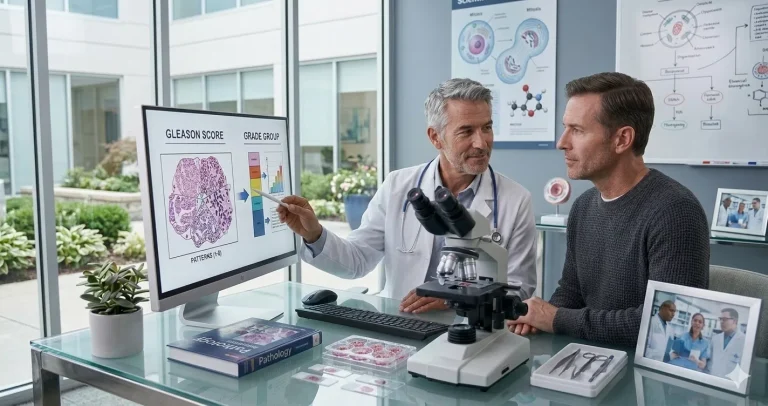
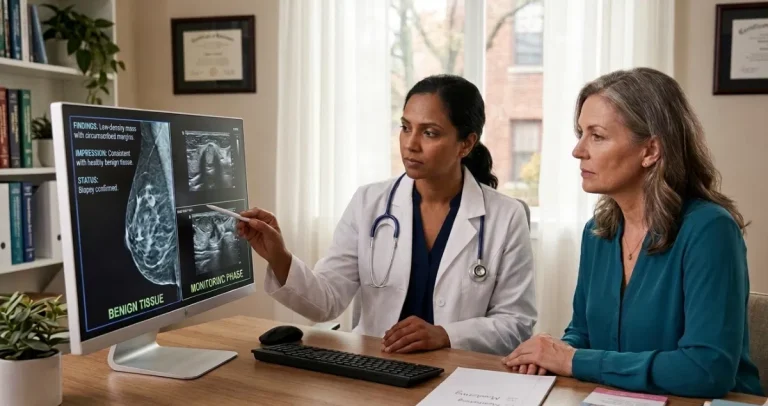
Before meeting with your oncologist, it can be very helpful to review your pathology report. This report is written by a pathologist, the doctor who examines your tissue under a microscope to confirm or clarify the diagnosis of cancer. Think of it as the “blueprint” of your disease, because it provides key information such as the type of cancer, the grade (which describes how abnormal the cells appear), whether the cancer has spread into nearby tissue or lymph nodes, and whether the margins,the edges of the removed tissue are clear of cancer. It may also include important details like hormone receptor status or genetic markers that help guide treatment decisions.
Some of this language can be technical or overwhelming, and many patients find it confusing at first. That’s exactly where Honest Pathology™ can help. Through educational consultations, we explain your report line by line in plain, simple language so you can walk into your oncology appointment feeling prepared, confident, and ready to ask informed questions.
Organize Your Thoughts Before the Appointment
It’s completely normal to feel nervous, overwhelmed, or forgetful after receiving a diagnosis, which is why preparing ahead of time can make your oncology appointment more productive and less stressful. One helpful approach is to write down your questions in advance so you don’t forget anything important during the visit. Bringing a notebook or a folder can keep all your reports, test results, and notes organized in one place.
It also helps to list your top questions and prioritize the ones that matter most to you right now, since appointments can move quickly. Many people find comfort in bringing a trusted friend or family member who can sit in, take notes, and help remember the details afterward. If you feel anxious about missing information, ask your doctor if you can record the conversation (with permission), because it can be difficult to process everything in a single discussion. Taking these small steps can help you leave the appointment with clarity and confidence.
Questions About Your Diagnosis
Once you’ve reviewed your pathology report, you’ll want to understand exactly what it means for your specific situation. You might ask your oncologist:
- What type of cancer do I have, and where did it start?
- Has it spread beyond where it began?
- What is the stage and grade of my cancer?
- What does that mean for my treatment or outlook?
- Are there any molecular or genetic features in my pathology report that affect treatment options?
- How confident are you in this diagnosis , should I consider getting a second opinion?
Understanding your diagnosis clearly is essential before moving on to treatment discussions. If there are any medical terms in your pathology report that you didn’t understand, write them down and ask your oncologist to explain them.
At Honest Pathology™, we often hear patients say, “I wish someone had explained this report to me before I saw my oncologist.” That’s why we created a simple, secure online platform where you can learn what your report means in everyday language , before your next appointment.
Questions About Treatment Options
After confirming your diagnosis, your oncologist will discuss treatment options , such as surgery, radiation, chemotherapy, immunotherapy, targeted therapy, or hormone therapy. Each treatment plan is personalized based on your cancer type, stage, and your overall health.
Here are some good questions to ask:
- What are my treatment options, and why are you recommending this approach?
- What is the goal of treatment , cure, control, or symptom relief?
- Are there clinical trials that might be suitable for me?
- What are the possible side effects of each treatment?
- How will treatment affect my daily life , work, family, travel, fertility, or diet?
- How long will treatment last, and how often will I need to come in?
- What happens if the first treatment doesn’t work?
It can also help to ask about the order of treatments. For example, some patients may have chemotherapy first, followed by surgery, while others may go straight to surgery. Understanding the reasoning helps you feel more confident in your plan.

Questions About Prognosis and Outlook
Some people want to know everything about their prognosis, while others prefer to just focus on the next step. Both approaches are completely okay. If you choose to talk about your outlook, you can ask your oncologist about the likely outcome or survival rate based on your specific cancer type and stage, what factors might influence your prognosis, and whether lifestyle changes could support your recovery or improve your response to treatment.
You can also ask how your medical team will monitor whether the treatment is working. Most doctors use statistics to explain outcomes, but it’s important to remember that numbers are averages, not certainties. Every cancer journey is personal, and your experience is your own.
Questions About Daily Life and Support
Cancer affects much more than just your body. It touches your emotions, relationships, and day-to-day life. Your oncologist (or their care team) can connect you with support services, including counseling, nutritionists, physical therapy, or social workers.
Here are some questions to consider:
- How will treatment affect my ability to work or care for my family?
- Are there support groups or resources for patients with my type of cancer?
- Who do I call if I have questions between visits?
- Are there diet or exercise recommendations I should follow during treatment?
- Will I need help managing pain, fatigue, or nausea?
It can also help to ask about financial and insurance questions , such as whether certain treatments or tests are covered, or if your hospital has a financial counselor.
Questions About Next Steps and Follow-Up
Once you understand your treatment plan, it’s important to be clear on what happens next. This prevents confusion and anxiety after you leave the appointment. Talk with your oncologist about the next steps in your care plan, when treatment will begin, and how you should prepare.
Ask how often you’ll need scans or lab tests to monitor progress, who will coordinate care between different specialists, and what you should watch for between visits, including what’s normal and what might be a warning sign. Having a clear roadmap helps you feel less overwhelmed and more in control of your care.
Tips for a Productive Oncology Appointment
A little preparation can go a long way toward making your oncology visit smoother and less stressful. Here are a few practical tips:
- Arrive early to complete paperwork and review your insurance coverage.
- Bring your pathology report, imaging results, and medication list , this ensures your oncologist has all the details they need.
- Be honest about symptoms, emotions, and concerns , no question is “silly.”
- Take notes or have someone with you who can.
- Repeat back what you’ve heard in your own words to confirm you understand correctly.
- Ask for written materials or online resources you can review later.
Remember: your oncologist expects and welcomes questions. The more you understand, the better you can partner in your own care.
How Honest Pathology™ Can Help You Prepare
Understanding your pathology report is the foundation for a productive conversation with your oncologist. Yet many patients receive their report filled with complex terminology , and little explanation. That’s where Honest Pathology™ comes in. Our mission is to empower patients by translating complex medical information into clear, easy-to-understand language. During our educational consultations, a board-certified U.S. pathologist carefully reviews your report line by line, explaining what your diagnosis means, whether your cancer shows aggressive or slow-growing features, and how terms like margins, grade, or stage apply to your specific case.
The pathologist also points out which findings might influence treatment options and helps you generate the most important questions to ask your oncologist. We don’t provide medical advice or make treatment recommendations, our focus is education, so you can have a stronger, more confident conversation with your cancer care team. Many clients say that after an Honest Pathology™ session, they finally feel prepared for their oncology appointment, less anxious, and more in control. Understanding your report doesn’t change the diagnosis, but it can change how you face it.
Example Question List to Bring to Your Oncologist
Here’s a simple list you can print, write down, or keep on your phone:
About my diagnosis
- What type and stage of cancer do I have?
- What does my pathology report mean?
- Are there genetic or molecular findings that affect treatment?
About treatment
- What treatment do you recommend and why?
- What are the side effects?
- What are the chances of cure or remission?
- Are there any alternative or experimental options?
About daily life
- How will treatment affect my routine?
- Can I continue working or exercising?
- Who can I contact if I experience side effects?
About follow-up
- How often will I need scans or checkups?
- What should I watch for that might mean the cancer is returning?
- What resources do you recommend for support?
Final Thoughts: Empowerment Through Understanding
Preparing for your oncology appointment can feel daunting , but remember, you are not powerless. By reviewing your pathology report, writing down your questions, and seeking clear explanations, you’re taking an active role in your care.
Your oncologist is your partner, not just your doctor. They want to help you understand every step of the journey. And with tools like Honest Pathology™, you can walk into that appointment informed, confident, and ready to make the best decisions for your health.
If you’ve recently received your cancer diagnosis and have your pathology report in hand , take the next step. Visit HonestPathology.com to schedule an educational consultation and gain the clarity you deserve. Together, we’ll make sure you understand your diagnosis and prepare the questions that truly matter.