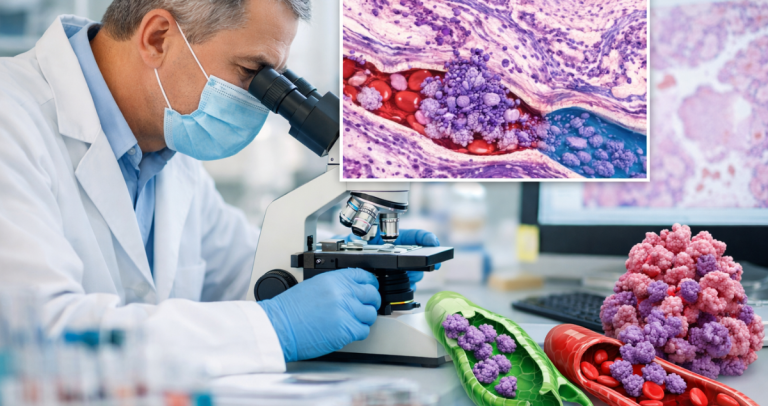
Receiving a cancer diagnosis is overwhelming, and understanding what comes next can feel daunting. Among all medical information, the pathology report plays the most important role in shaping treatment. It does more than confirm the presence of cancer—it identifies the exact type, describes how aggressive it is, and highlights molecular or biomarker features that guide personalized therapy.
At Honest Pathology, we help patients understand how every detail in a pathology report contributes to an individualized treatment plan. By translating complex findings into clear explanations, patients can approach decisions with confidence.
What Details in a Pathology Report Influence Treatment?
Pathology reports contain several key pieces of information that directly affect cancer care:
- Cancer type and subtype: The specific tumor type and subtype determine which therapies are most appropriate. Certain cancers respond better to targeted medications or specific chemotherapy regimens.
- Tumor grade: Tumor grade describes how abnormal the cells appear under a microscope. Higher-grade tumors tend to grow faster, which may affect how aggressively they are treated.
- Margins and lymph nodes: Reports indicate whether the tumor has been completely removed and whether cancer cells are present in nearby lymph nodes. This information can guide surgical decisions and additional therapies.
- Biomarker and genetic information: Molecular markers, such as HER2, PD-L1, EGFR, or BRCA mutations, can point to targeted therapies or immunotherapy options tailored to the tumor’s biology.
By interpreting these findings, oncologists create treatment plans that are specifically suited to the patient’s cancer and overall health.
How Pathology Findings Shape Treatment Plans
The pathology report provides the foundation for individualized therapy. Even when two patients have the same type of cancer, their treatment may differ depending on tumor grade, stage, and biomarker results. Pathology findings guide decisions such as whether surgery alone is sufficient, which chemotherapy regimens to use, or whether targeted therapy or immunotherapy should be considered.
This approach ensures that therapy is precise, minimizes unnecessary side effects, and improves outcomes.
The Role of Biomarkers in Personalized Therapy
Biomarkers are increasingly central to modern cancer care. Their presence or absence can dramatically influence treatment decisions:
- HER2: HER2-positive breast cancers often respond to specific targeted therapies like trastuzumab, while HER2-negative tumors require alternative treatment.
- PD-L1: Tumors with high PD-L1 expression may be candidates for immunotherapy that harnesses the immune system to attack cancer cells.
- Genetic mutations (BRCA, KRAS, EGFR, etc.): Identifying these mutations can determine eligibility for targeted drugs, clinical trials, or precision therapies.
These details allow oncologists to tailor therapy for maximum effectiveness while reducing unnecessary toxicity.
Timing of Treatment After Pathology Review
Treatment typically begins once the pathology report has been reviewed and integrated with imaging studies, laboratory results, and the patient’s overall medical history. Some cancers require prompt therapy, while others allow a short period for multidisciplinary planning. Pathology reports provide the clarity needed to start treatment confidently and safely.
Understanding Your Report
Pathology reports are written for medical professionals and can be intimidating. Terms like “invasive,” “poorly differentiated,” or “positive margins” may cause concern without proper context.
At Honest Pathology, we help patients translate these technical reports into plain, understandable language. We explain the tumor type, grade, staging, and biomarker findings, showing how each element informs the treatment plan. This knowledge allows patients to participate actively in discussions with their healthcare team and feel confident in their care.
How Pathology Supports Personalized Care
Cancer is not the same in every patient. Tumors with identical names can behave differently depending on grade, biomarkers, and genetic features. Pathology reports provide the foundation for therapy that is tailored to the unique characteristics of each patient’s disease. Personalized treatment improves outcomes, reduces unnecessary side effects, and ensures that every decision is guided by precise, individualized information.
Moving Forward with Confidence
A finalized pathology report marks a critical milestone. It provides the detailed information necessary for oncologists to develop a treatment plan that is both personalized and evidence-based. Understanding these details helps patients feel informed and empowered as they move forward with care.
At Honest Pathology, we specialize in helping patients make sense of their pathology reports. By translating complex terminology into clear, actionable insights, we provide clarity and confidence, so patients can approach their treatment journey informed and prepared.