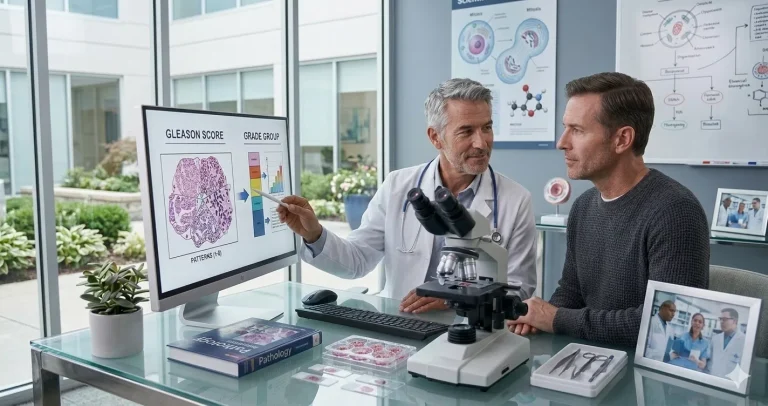
Cancer is not a single disease. While many people are familiar with common cancers like breast or colon, there exists a group of rare cancers that are less frequently encountered. These cancers often present unique challenges in diagnosis, treatment, and follow-up.
Rare cancers can affect any organ or tissue, including the lungs, colon, appendix, breast, connective tissues, and blood. Their uncommon nature means that both patients and physicians may have limited experience with them, making accurate pathology and clear explanations critical for care. Services like Honest Pathology help translate these complex findings into understandable terms, empowering patients to make informed decisions.
What Makes a Cancer “Rare”?
Cancer is generally considered rare if it occurs in fewer than six cases per 100,000 people per year. Rare cancers often behave differently than their common counterparts, may be diagnosed later due to nonspecific symptoms, and sometimes require specialized testing to confirm the diagnosis.
Because rare cancers are uncommon, routine screening may not detect them, and symptoms may mimic benign conditions or more common cancers. This makes pathology and laboratory testing essential, and interpreting these results in plain language can reduce confusion and anxiety.
Diagnosing Rare Lung Cancers
Most lung cancers are adenocarcinomas or squamous cell carcinomas. Rare lung cancers include small cell variants, large cell neuroendocrine carcinoma, carcinoid tumors, and sarcomatoid carcinoma.
Diagnosis begins with imaging, often a CT scan, followed by a tissue biopsy. Pathologists examine the tissue under the microscope, looking for cellular features that distinguish rare subtypes from common lung cancers. Immunohistochemistry (IHC) and molecular testing are often critical in these cases.
At Honest Pathology, patients can receive explanations of what these markers mean for treatment and prognosis, helping them understand why a rare lung cancer may require different therapies or closer monitoring.

Rare Colon Cancers
Most colon cancers are adenocarcinomas, but rare subtypes include mucinous adenocarcinoma, signet ring cell carcinoma, medullary carcinoma, and neuroendocrine tumors. Rare colon cancers often present similarly to common adenocarcinomas, with symptoms like bleeding, abdominal pain, or obstruction.
Tissue sampling is required for diagnosis, and pathologists use both microscopic evaluation and immunohistochemical stains to differentiate these subtypes. Molecular studies, such as mismatch repair protein testing, can guide treatment, especially when immunotherapy is an option.
Honest Pathology helps patients interpret these complex results, translating molecular and IHC findings into actionable understanding of treatment options.
Appendix Tumors
Tumors of the appendix are rare and include carcinoid tumors, mucinous neoplasms, and adenocarcinomas. They are often discovered incidentally during surgery or imaging for unrelated symptoms.
Pathology is essential to determine the exact subtype because treatment and prognosis vary widely. For example, a low-grade appendiceal mucinous neoplasm may require surgery alone, whereas an invasive adenocarcinoma may require more extensive intervention.
Through clear explanations, Honest Pathology helps patients understand the significance of these rare findings, including why molecular testing or additional pathology review might be recommended.
Rare Breast Cancers
Breast cancer is common, but some subtypes are rare, including tubular carcinoma, metaplastic carcinoma, secretory carcinoma, and adenoid cystic carcinoma. Rare breast cancers often have unique histologic patterns that differ from the more common ductal or lobular types.
Diagnosis relies on biopsy and careful microscopic evaluation, sometimes supported by immunohistochemistry. Understanding hormone receptor status and HER2 expression in these rare cancers can influence treatment options. Honest Pathology can clarify how these markers affect therapy and help patients understand what is truly important in their report.
Sarcomas
Sarcomas are cancers of connective tissue and can occur in muscles, fat, blood vessels, and bones. They are rare compared to epithelial cancers, and diagnosis can be challenging. Sarcomas often present as painless lumps or masses. Imaging may show size and location, but tissue examination confirms the diagnosis.
Pathologists evaluate cell type, pattern, and differentiation. Immunohistochemical stains and sometimes genetic testing are used to distinguish sarcoma subtypes and rule out other cancers. By providing accessible explanations, Honest Pathology helps patients understand these complicated findings and why additional testing may be recommended.
Rare Blood Cancers: Leukemia
Leukemia affects the blood or bone marrow, and rare forms include hairy cell leukemia, T-cell prolymphocytic leukemia, and juvenile myelomonocytic leukemia. Diagnosis typically involves blood counts, bone marrow biopsy, and flow cytometry, which detects specific surface proteins to identify leukemia subtypes.
Molecular testing can guide treatment and prognosis. Accurate classification ensures patients receive the most effective therapy. Honest Pathology can translate these complex reports into plain language, helping patients understand both the type of leukemia and what it means for their care.
Why Rare Cancers Require Specialized Pathology
Rare cancers are often misdiagnosed if evaluated by pathologists unfamiliar with uncommon subtypes. Misclassification can lead to inappropriate treatment and affect outcomes. Advanced pathology techniques including immunohistochemistry, molecular profiling, and genetic testing are essential to identify rare cancers accurately.
Interpretation is not just about technical results; patients need context. Services like Honest Pathology make these findings understandable, explaining why a rare subtype may respond differently to treatment or why further testing is necessary.
The Role of Multidisciplinary Care
Patients with rare cancers often benefit from evaluation in specialized centers or tumor boards. Pathology reports guide not only treatment decisions but also eligibility for clinical trials and experimental therapies.
Multidisciplinary teams including pathologists, oncologists, surgeons, and genetic counselors work together to ensure accurate diagnosis and the most effective treatment plan. Honest Pathology plays a role in helping patients navigate and understand these complex discussions.
Final Thoughts
Rare cancers, whether in the lungs, colon, appendix, breast, connective tissues, or blood, require careful and often sophisticated diagnostic approaches. Accurate pathology is essential for defining the cancer subtype, guiding treatment, and informing prognosis.
By translating complex histology, immunohistochemical findings, and molecular results into clear, understandable language, Honest Pathology empowers patients to actively participate in their care. Even for rare cancers, modern pathology allows for precise diagnosis and personalized treatment strategies, improving outcomes and reducing uncertainty in challenging situations.