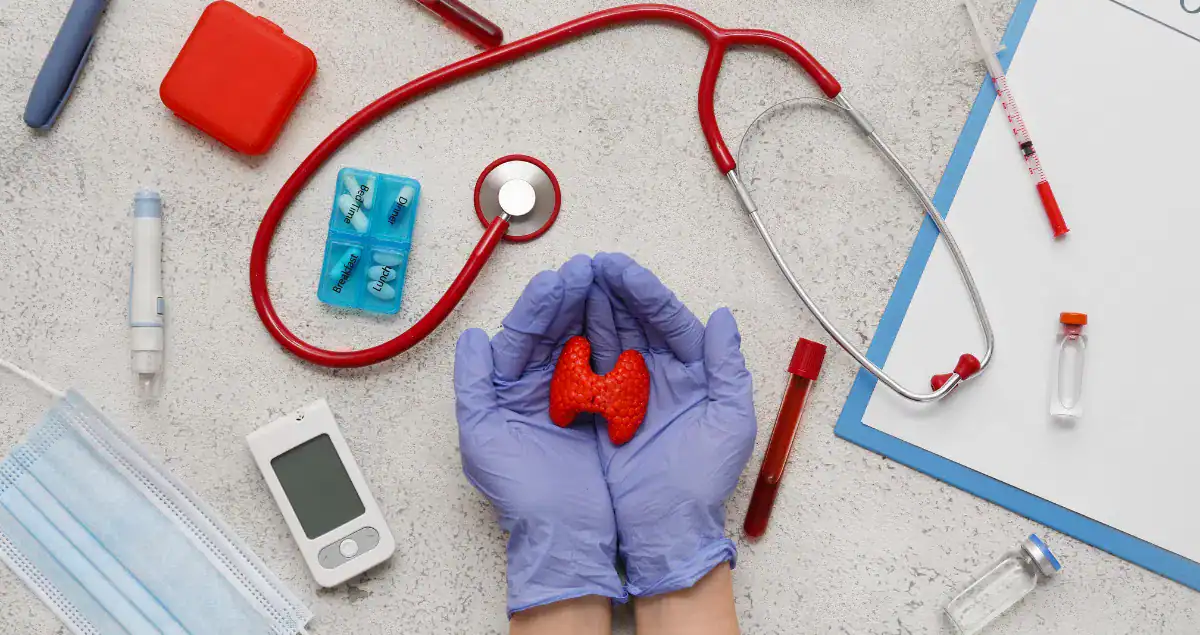
Thyroid nodules are lumps or growths within the thyroid gland, a small butterfly-shaped organ located at the base of the neck. They are fairly common, particularly in adults, and the majority are benign. However, distinguishing between harmless nodules and those requiring further intervention is essential. Diagnosis involves a combination of clinical evaluation, imaging, and pathological analysis, providing a comprehensive understanding of the nodule and its potential implications.
Clinical Evaluation of Thyroid Nodules
Thyroid nodules are often discovered during routine physical examinations or imaging performed for other reasons. Sometimes patients notice a lump in the neck, experience subtle changes in swallowing, or develop voice alterations, prompting further evaluation. Healthcare providers assess the nodule by examining its size, texture, mobility, and tenderness. They also consider personal and family history, prior radiation exposure, and any risk factors for thyroid malignancy.
Imaging plays a crucial role in clinical evaluation. Ultrasound is typically the first-line tool because it can reveal the nodule’s size, internal structure, and vascular patterns. For instance, a nodule that appears solid with irregular borders and microcalcifications may raise concern, whereas a well-circumscribed, cystic nodule is usually considered low risk. Imaging findings guide the need for additional testing, ensuring patients receive care appropriate to their risk level.
Fine-Needle Aspiration Biopsy
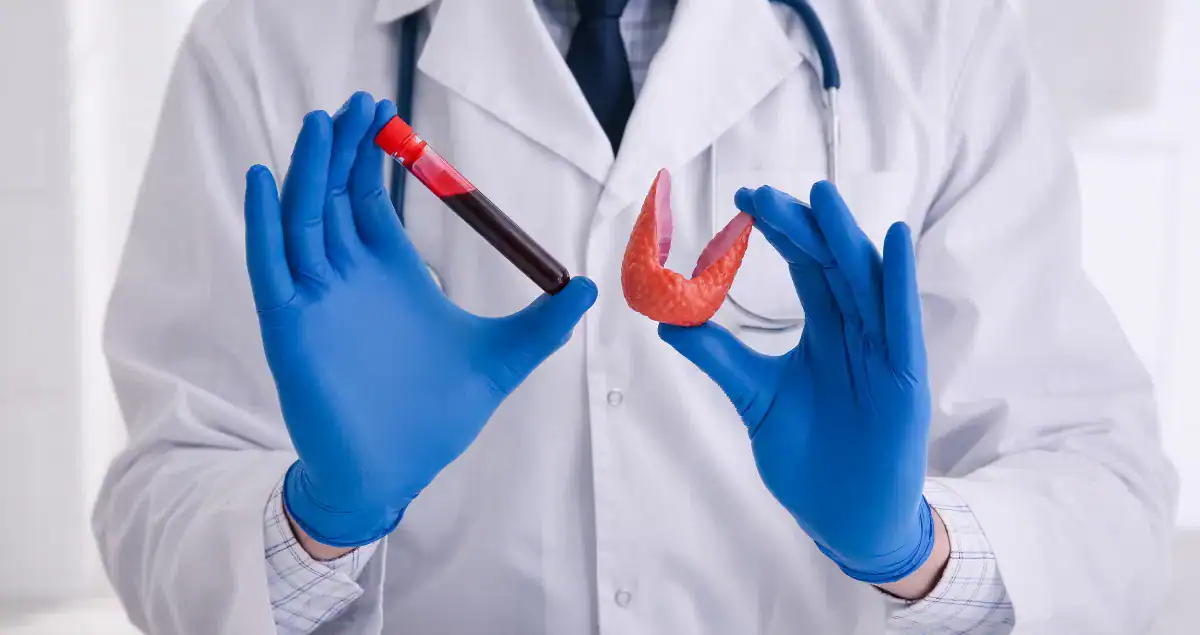
When a nodule appears suspicious on ultrasound or exceeds size thresholds recommended by clinical guidelines, a fine-needle aspiration (FNA) biopsy is performed. This minimally invasive procedure involves inserting a thin needle into the nodule to collect cells for microscopic examination. The sample is then sent to the pathology laboratory, where it undergoes careful analysis.
For example, a 2-centimeter solid nodule with microcalcifications in the thyroid may undergo FNA to rule out malignancy, while a small cystic nodule may be monitored without biopsy. FNA is generally safe, with minimal discomfort, and provides crucial information about the cellular makeup of the nodule.
Pathological Examination
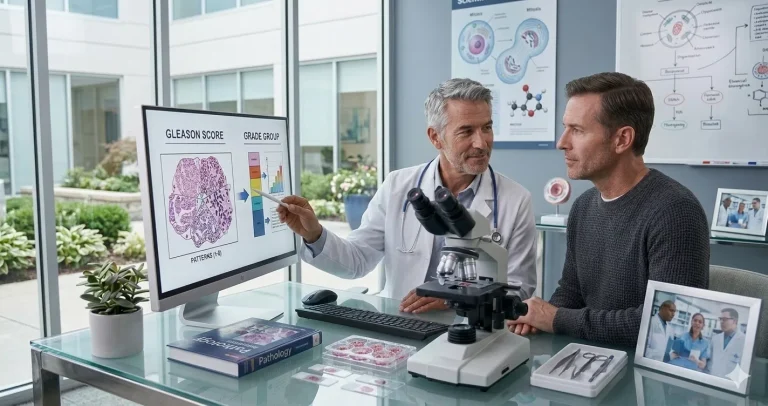
Once the sample reaches the laboratory, pathologists examine it under the microscope. They assess cellular appearance, organization, and any signs of abnormal growth. Benign nodules, such as colloid nodules or thyroid adenomas, typically display uniform cells and organized structures. Certain features, including abundant colloid material or evenly spaced follicular cells, support a benign diagnosis.
Suspicious or malignant features might include irregular cell shapes, enlarged nuclei, or specific architectural patterns seen in conditions like papillary thyroid carcinoma. Special stains or immunohistochemical tests may be used to highlight specific proteins or cellular markers, aiding in more precise diagnosis. Advanced molecular testing can detect genetic mutations associated with thyroid cancer, helping guide treatment planning. Honest Pathology principles emphasize clear, transparent reporting so patients can understand what is observed and what it means for their health.
Integrating Clinical and Pathological Findings
The combination of clinical evaluation, imaging, and pathology provides a comprehensive understanding of a thyroid nodule. For instance, a nodule that appears low-risk on ultrasound but shows atypical cells on FNA may warrant closer monitoring or surgical removal. Conversely, a nodule that looks concerning on imaging but has benign cytology may be safely observed over time. This integration ensures that patients receive care that is appropriately tailored to their specific situation.
Follow-Up and Monitoring
Most thyroid nodules do not require immediate surgery. Benign nodules are typically monitored with periodic ultrasounds to track changes in size or characteristics. Pathology reports guide this monitoring by detailing cellular features, growth patterns, and any minor atypical changes that could warrant closer observation. Patients are encouraged to maintain open communication with their healthcare providers to address any changes in symptoms or nodule size.
Conclusion
Thyroid nodules are common, and while most are benign, careful evaluation is important to ensure accurate diagnosis and appropriate management. Clinical assessment, imaging, and fine-needle aspiration biopsy provide complementary insights, while pathological analysis confirms the nature of the nodule and identifies any atypical or concerning features. Clear communication of findings, guided by principles of transparency such as those promoted by Honest Pathology, helps patients understand their diagnosis, anticipate next steps, and engage confidently in decisions regarding monitoring or treatment.