If you recently had a thyroid biopsy, thyroid surgery, or imaging that led to further testing, you probably received a thyroid pathology report. For many people, this report becomes one of the most important documents in their entire medical journey. It confirms whether a thyroid nodule is harmless or serious, explains what the cells looked like under the microscope, and guides your doctors on the best next steps.
There is just one problem. Thyroid pathology reports are not written for patients. They are written for doctors, in highly technical medical language. Without support, it is completely normal to feel overwhelmed, confused, or even scared by what you are reading. This is exactly why patient-centered services like Honest Pathology™ exist: to help people understand these complex documents in normal, everyday language.
This guide walks you through the key parts of a thyroid pathology report, explains what those terms actually mean, and helps you understand how pathologists arrive at their conclusions. The goal is not only to teach you what the report contains, but to help you feel empowered and confident as you move forward.
Understanding Why a Thyroid Pathology Report Was Created
Most people receive a thyroid pathology report after a fine needle aspiration biopsy or after thyroid surgery. A fine needle aspiration is a simple test where a doctor uses a tiny needle to collect a small number of cells from a thyroid nodule. When the thyroid gland or a portion of it is removed during surgery, the removed tissue is sent to a pathology lab for a detailed examination.
In both situations, the pathologist’s job is to determine what the cells show. They look for signs of inflammation, benign changes, hormonal effects, and potential cancer. Their findings form the official diagnosis your doctor uses to guide your care.
What a Pathologist Actually Does During This Process
A pathologist is a medical doctor who identifies diseases by studying tissues and cells. When examining thyroid tissue, the pathologist studies the appearance of thyroid cells under the microscope, looks for unusual patterns, determines whether the tissue is healthy or abnormal, and identifies whether a thyroid nodule is benign, inflamed, or cancerous. They also determine the exact type of thyroid disease or cancer if one is present.
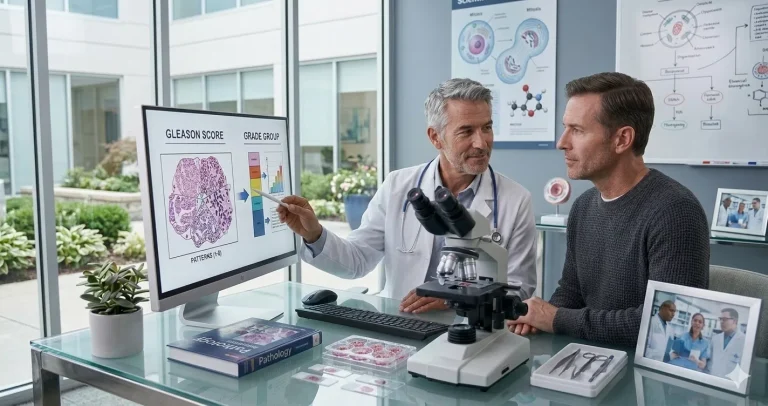
At Honest Pathology™, our board-certified pathologists meet directly with patients to review the report in understandable terms. Many patients tell us that it is the first time they have ever fully understood what their pathology report means.
 The Sections of a Thyroid Pathology Report Explained
Every pathology report has its own structure, but most thyroid reports include several common parts. Understanding these sections makes the report far less intimidating.
The clinical information section explains why the sample was taken. You might see notes about a thyroid nodule, an abnormal ultrasound, a goiter, or a history of thyroiditis. This section gives the pathologist context but does not contain the diagnosis.
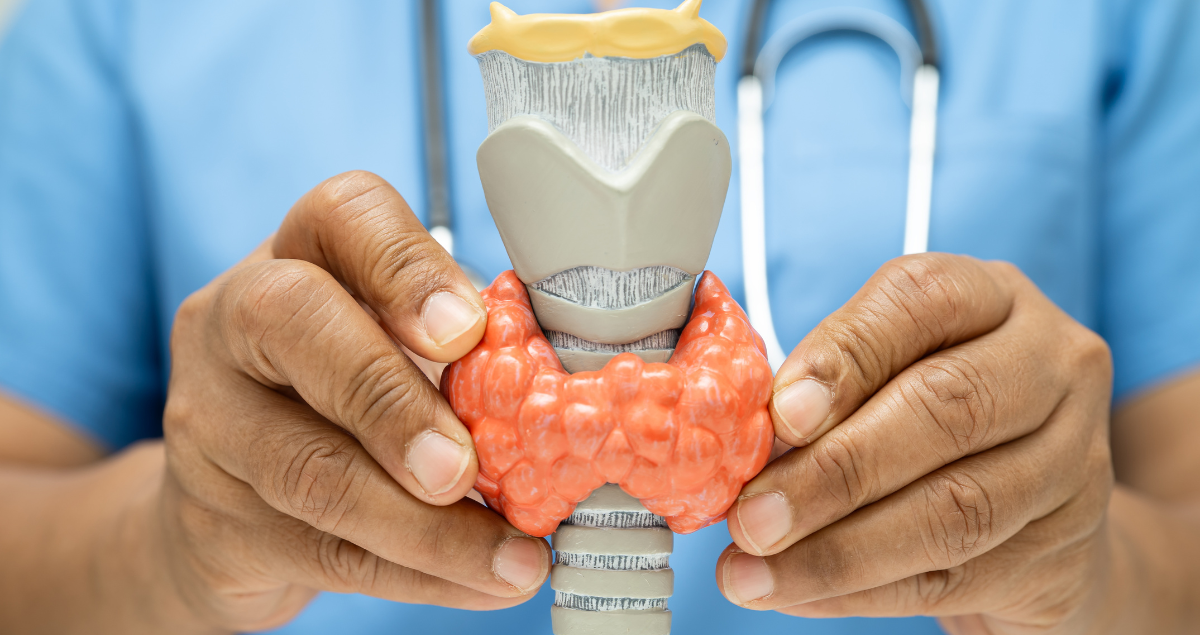
The specimen description tells you what tissue was examined, such as the right thyroid lobe, the left lobe, the isthmus, or a fine needle aspiration sample. This simply identifies the source of the tissue.
The microscopic description is the area that often feels overwhelming. It may include terms like follicular cells, colloid, nuclear enlargement, inflammation, or Hurthle cell change. This section describes exactly what the pathologist saw under the microscope. Although it sounds extremely technical, almost everything listed here has a practical meaning once explained clearly.
The diagnosis section is the part patients focus on most, because this is where the pathologist states the final interpretation of the tissue. This may include benign findings, inflammatory conditions, uncertain or atypical findings, or definite cancer. Understanding your diagnosis is crucial, and it is completely reasonable to seek clarification if the wording is unclear.
Common Thyroid Biopsy Results in Everyday Language
Fine needle aspiration biopsies are usually reported using a system known as the Bethesda System. While this system contains several categories, the wording can feel foreign unless explained simply.
Some reports state that the sample was not sufficient for diagnosis. This usually means the needle did not collect enough cells, and a repeat biopsy may be recommended.
A benign diagnosis is very common and reassuring. This may include a benign colloid nodule, a benign cyst, or inflammation related to thyroiditis. The chance of cancer in this group is extremely low.
Atypical or “indeterminate” findings describe samples where the cells look slightly unusual but not clearly cancerous. This is a gray area for many patients. In these situations, doctors may suggest a repeat biopsy, molecular testing, or careful monitoring. This category is one of the most common reasons people come to Honest Pathology™ for help, because the wording can be very confusing.
Findings that suggest a follicular neoplasm indicate that the architecture of the cells is concerning enough that surgery might be recommended. This is because certain cancers cannot be diagnosed through a needle biopsy alone.
When a sample is suspicious for cancer, the pathologist sees several features pointing toward a malignant process. It is not a guaranteed cancer diagnosis, but the concern is significant.
A clearly malignant diagnosis means the sample contains features of thyroid cancer, most often papillary thyroid carcinoma. Although the word cancer is frightening, most thyroid cancers are highly treatable and often slow-growing.
Diagnoses Found After Thyroid Surgery
When a piece of the thyroid or the entire gland is removed, the pathologist has far more tissue to examine. This allows for a precise diagnosis. Some common findings include papillary thyroid carcinoma, follicular thyroid carcinoma, medullary thyroid carcinoma, and the rare but aggressive anaplastic carcinoma. Other postoperative reports show autoimmune thyroiditis, nodular hyperplasia, or benign enlargement of the gland.
These findings guide decisions about follow-up care, medication needs, and long-term monitoring. For many patients, this section prompts additional questions—questions that a thyroid specialist or a pathologist can help answer.
Important Details Pathologists Include When Cancer Is Found
If the pathologist identifies cancer, the report will usually include details such as tumor size, whether it appears in one area or multiple areas, whether the cancer extends outside of the thyroid gland, and whether the edges of the removed tissue are free of cancer. If lymph nodes were removed, the report will describe whether cancer was found in them.
All of these details help determine the stage of the cancer, which directly affects whether further treatments like radioactive iodine may be recommended.
Why Thyroid Pathology Reports Feel So Complex
Even when the results are not dangerous, the medical language can feel intimidating. Words such as nuclear grooves, psammoma bodies, colloid-rich nodules, or lymphocytic infiltration can make the report feel alarming, even when the findings are benign.
This is one of the biggest reasons Honest Pathology™ was created. Too many patients are left reading these reports alone, trying to interpret scientific language that was never meant for them. A fifteen-minute explanation from a pathologist can remove days or weeks of fear.
Understanding Molecular Testing in Thyroid Disease
Many modern pathology reports include molecular testing. This type of test looks for changes in genes that may influence whether a nodule is benign or malignant. You might see references to mutations such as BRAF, RAS, RET, or NTRK. Depending on your results, your doctor may lean toward surgery, closer monitoring, or reassurance.
Molecular results can be confusing without context. Many patients find it extremely helpful to review this portion with a pathologist who can explain its meaning in clear, calm language.
When It Helps to Speak With a Pathologist
Many patients seek help when their diagnosis falls into an uncertain category, when they are unsure why surgery was recommended, when the wording of the report is unclear, or when they have been diagnosed with thyroid cancer and want to understand the details. Others reach out simply because they want peace of mind and a full explanation from the doctor who actually made the diagnosis.
Honest Pathology™ offers private, educational consultations with board-certified pathologists who take the time to walk through your report step by step. When appropriate, microscopic images may be shown so you can see exactly what the pathologist saw. After the session, patients receive a personalized Path Points™ summary that highlights the key takeaways in simple language.
Final Thoughts: You Deserve Clarity and Confidence
A thyroid pathology report is one of the most important documents in your health journey, yet most people receive little to no guidance in understanding it. You deserve clarity. You deserve answers. And you deserve to feel informed, not intimidated.
If you want help understanding your thyroid pathology report or simply want a clearer picture of your diagnosis, Honest Pathology™ is here to support you. Our mission is to help patients replace confusion with clarity and step forward with confidence in their next steps.