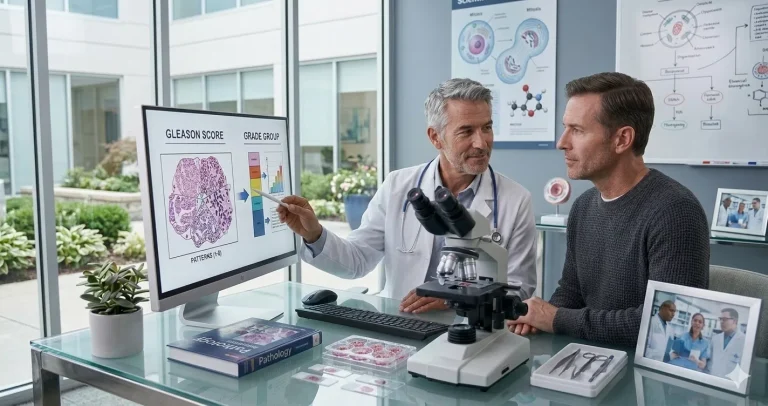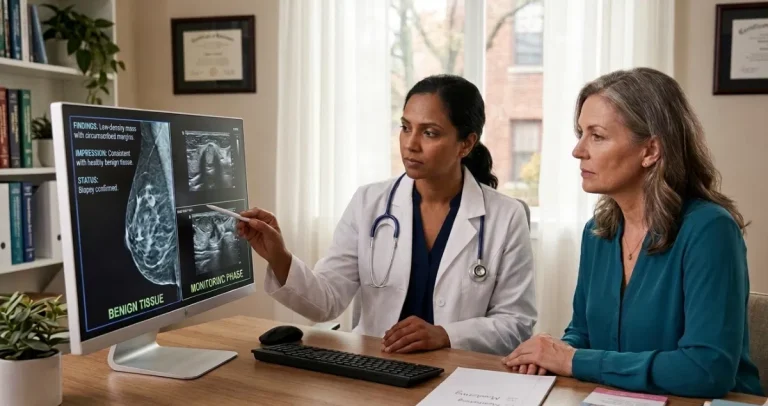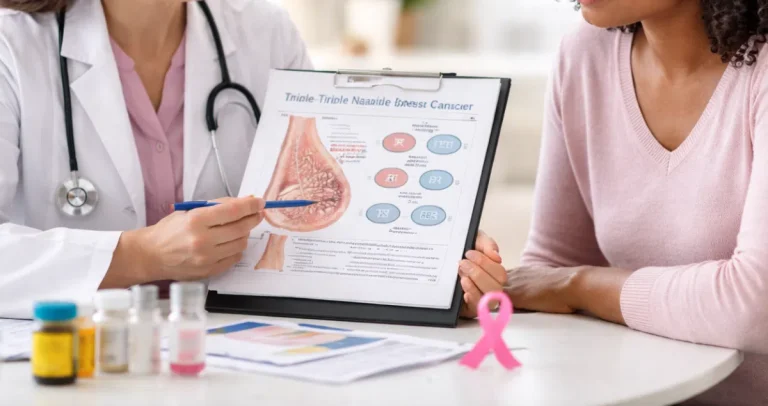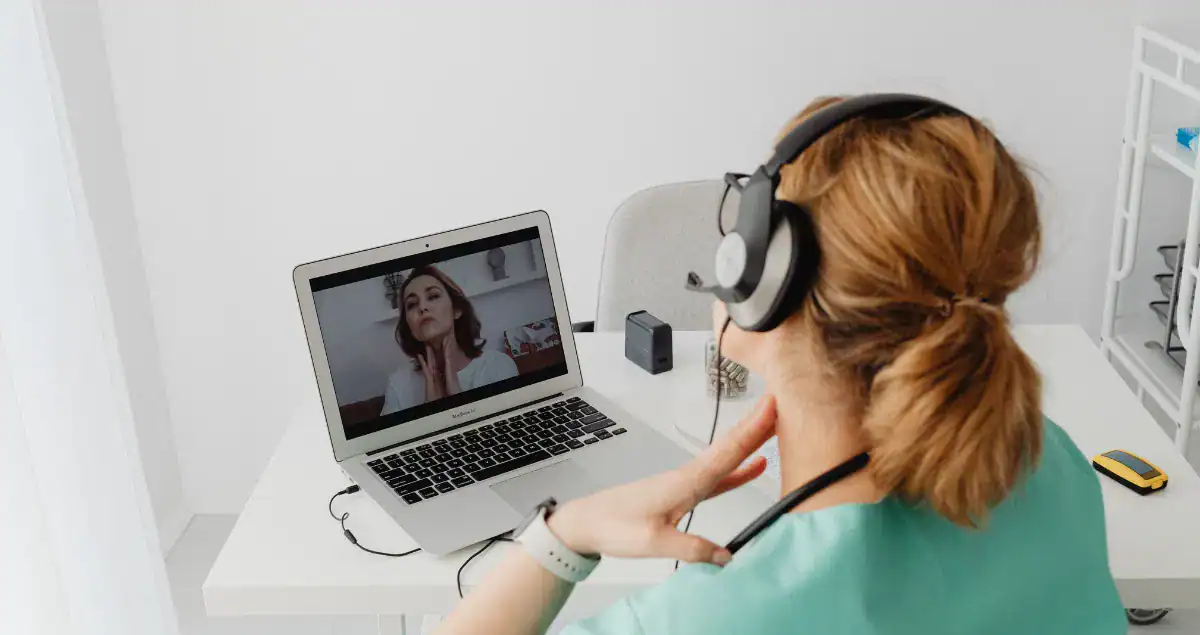
Virtual pathology consultations have become an increasingly common way for patients to review biopsy or lab results with a pathologist or specialist. These consultations allow patients to gain direct insight into their pathology reports, ask detailed questions, and understand the implications of findings all from the comfort of home. Preparing carefully ensures that the consultation is productive and helps patients feel confident about the information discussed.
Gather All Relevant Documents
Before the consultation, it is important to collect all relevant pathology reports, lab results, imaging studies, and previous medical records. For example, if a patient has a recent thyroid biopsy and follow-up blood tests, having both available allows the pathologist to provide context and clarity. Honest Pathology emphasizes transparency, so bringing complete documentation ensures that nothing is overlooked and that the discussion is thorough.
Review the Report Ahead of Time
Reading the pathology report before the consultation allows patients to identify areas of confusion or concern. It is helpful to highlight unfamiliar terms, measurements, or phrases such as “low-grade dysplasia,” “chronic inflammation,” or “reactive changes.” Patients may not fully interpret these details on their own, but noting them prepares them to ask clear, specific questions during the consultation.
For instance, a patient with a benign colon polyp might notice “tubular adenoma with low-grade dysplasia” and want clarification on what this means for follow-up or lifestyle changes.
Prepare Questions in Advance
Writing down questions before the consultation ensures that patients address all concerns. Questions can range from clarifying terminology to understanding the significance of findings and recommended next steps. Examples include: “What does this finding mean for my overall health?” “How likely is this abnormality to progress?” or “Are there additional tests or monitoring I should consider?”
Honest Pathology encourages patients to feel empowered to ask detailed questions and to request plain-language explanations that make complex reports more understandable.
Check Technology and Setup
Virtual consultations require reliable internet access, a device with a camera and microphone, and a quiet, private space. Testing the platform ahead of time can prevent delays or technical difficulties. It is also helpful to have pathology reports accessible digitally or in physical form, so they can be referenced during the discussion.
Understand the Role of the Pathologist
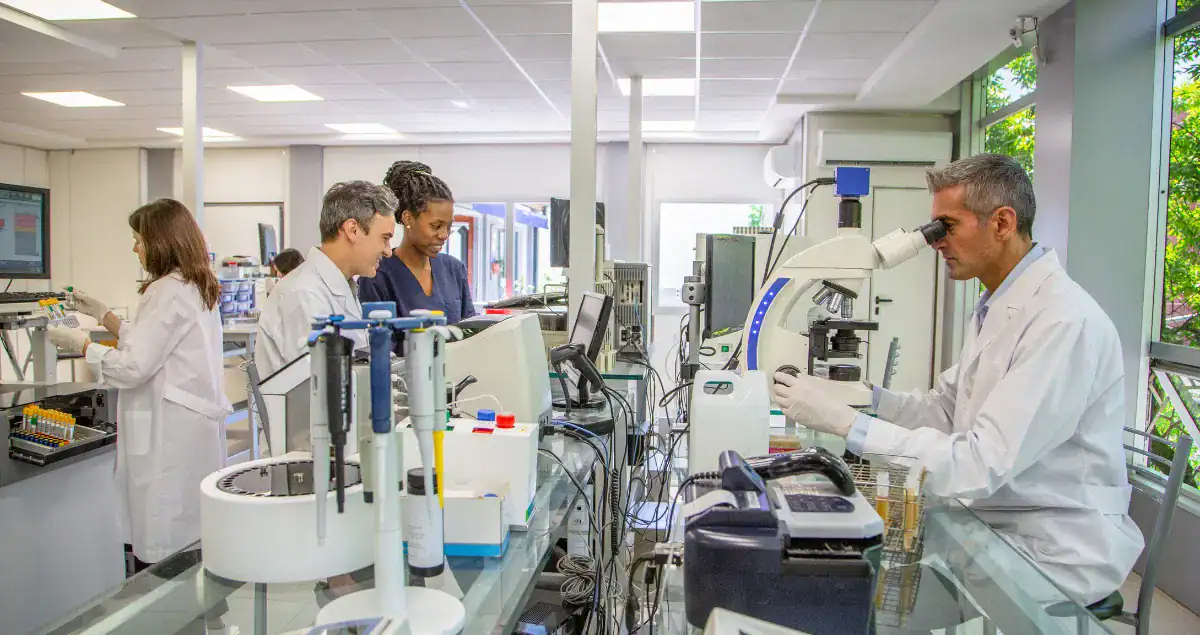
A virtual pathology consultation may involve a pathologist, a lab specialist, or a physician trained in interpreting pathology reports. The pathologist’s role is to explain the microscopic findings, clarify the diagnosis, and provide context for what the report means. They do not provide primary treatment but can guide patients in understanding whether further monitoring, tests, or referrals are needed.
For example, a patient reviewing a liver biopsy with chronic inflammation might learn how this finding correlates with lab results and lifestyle factors, helping them understand whether medications or follow-up tests are warranted.
Take Notes During the Consultation
Writing down explanations, recommendations, or clarifications during the consultation helps patients remember key points. Patients can also ask for a summary of the discussion or visual aids if available. Honest Pathology promotes clear, concise explanations so that patients leave the consultation with a solid understanding of their results and next steps.
Plan for Follow-Up
Pathology consultations may raise additional questions or reveal findings that require monitoring or further tests. Knowing in advance how to follow up whether with the pathologist, primary physician, or a specialist ensures continuity of care. For example, a patient with a benign thyroid nodule may schedule periodic ultrasounds, or a patient with mild colitis might track symptoms and lab results for future review.
Prepare Mentally and Emotionally
Virtual consultations can sometimes bring unexpected news or complex information. Taking time to prepare emotionally by reviewing information calmly, having support available if needed, and allowing enough time for questions, helps patients engage actively and absorb the explanations provided.
Conclusion
Preparing for a virtual pathology consultation involves gathering all relevant documents, reviewing reports in advance, preparing questions, testing technology, understanding the pathologist’s role, taking notes, planning follow-up, and preparing emotionally. By approaching the consultation with preparation and curiosity, patients can gain a clearer understanding of their pathology findings and feel more confident in the next steps of their care. Honest Pathology principles encourage transparent explanations, patient empowerment, and clear communication, ensuring that virtual consultations provide meaningful insight rather than confusion or anxiety.