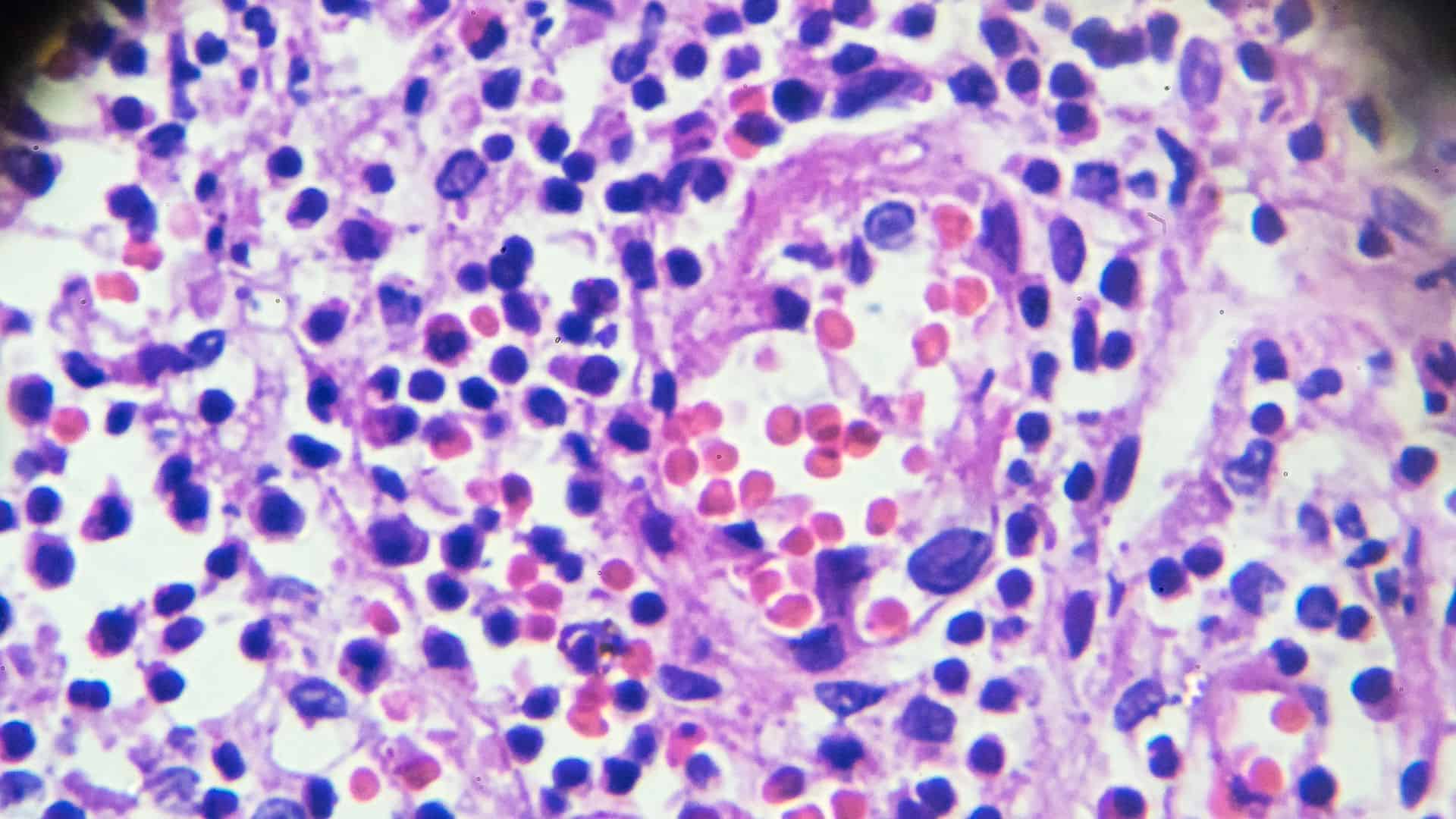
Understanding Your Gastroesophageal Reflux Diagnosis
Clear Support to Help You Understand Your Results
Gastroesophageal reflux occurs when stomach acid flows back into the esophagus, causing irritation and inflammation. Your pathology report highlights tissue changes, helping your care team guide treatment decisions and manage symptoms effectively.
HONEST Pathology specialists carefully review your biopsy findings, providing clear explanations and supportive guidance. We help you understand what each result means so you feel informed, reassured, and confident in your care plan.


Informed Decisions

Better Conversations

Leave Empowered
Ready to Understand Your Diagnosis?
Don’t let confusion hold you back. Schedule an online consultation with our expert pathologists and get clear, personalized answers about your diagnosis — all from the comfort of home.
Frequently Asked Questions
Gastroesophageal reflux is a condition where stomach acid moves back into the esophagus, leading to irritation and discomfort.
Common symptoms include heartburn, chest discomfort, regurgitation, difficulty swallowing, and a sour taste in the mouth.
Diagnosis may involve clinical evaluation, endoscopy, and biopsy to assess inflammation and rule out other conditions.
Inflammation indicates irritation from acid exposure and helps determine the severity of the condition.
Yes. Long-term reflux can lead to conditions such as esophagitis or Barrett’s esophagus if not properly managed.
Certain foods and eating habits can worsen symptoms, so dietary adjustments are often part of management.
Yes. Treatment may include lifestyle changes, medications, and in some cases, further medical intervention.