When you’re told you have an abnormal finding, a serious illness, or even cancer, it’s natural to want absolute confidence in your diagnosis. Medical decisions, especially those that could change the course of your life, should never feel rushed or uncertain.
That’s where a second opinion comes in. Whether it’s a second opinion from another pathologist reviewing your biopsy slides or from another doctor reviewing your overall treatment plan, an additional perspective can help confirm, clarify, or even correct your diagnosis.
At Honest Pathology™, we believe knowledge is power. Understanding your pathology report and knowing when to seek another opinion can give you the peace of mind you deserve before taking your next step.
What Does “Second Opinion” Really Mean
A second opinion is an independent review by another qualified medical professional.
There are two main types:
- A second pathology opinion – when another pathologist re-examines your tissue slides and report to verify the accuracy of the diagnosis.
- A second clinical opinion – when another doctor (such as a surgeon, oncologist, or specialist) reviews your diagnosis and treatment plan.
Both are designed to answer the same crucial question: Am I getting the right diagnosis and treatment for my specific situation?
Why Second Opinions Matter
Even in modern medicine, differences in interpretation happen. Pathologists, radiologists, and physicians make judgments based on complex findings, and medicine often involves gray areas.
For example:
- Two pathologists might agree a sample is abnormal, but differ on whether it’s high-grade dysplasia or early cancer.
- Two oncologists might both recommend treatment, but one may suggest chemotherapy first, while the other recommends surgery before any medication.
A second opinion helps ensure that every angle has been considered. It’s not about distrust, it’s about diligence.
When Should You Consider a Second Opinion
You don’t need a second opinion for every diagnosis, but in some cases, it’s strongly worth considering.
Here are some common situations where it may help:
1. When the Diagnosis Is Serious or Life-Changing
If you’ve been told you have cancer, an autoimmune disease, or another major condition, a second opinion is one of the most empowering steps you can take. Confirming your diagnosis before starting treatment helps avoid unnecessary procedures or missed options.
2. When the Report Is Unclear or Complex
Pathology reports and medical terms can be difficult to interpret. If your doctor’s explanation feels rushed or confusing, or you read terms like “atypical,” “borderline,” or “cannot rule out malignancy,” a second opinion can help you understand what those mean, and whether more testing is needed.
3. When Test Results Don’t Match the Clinical Picture
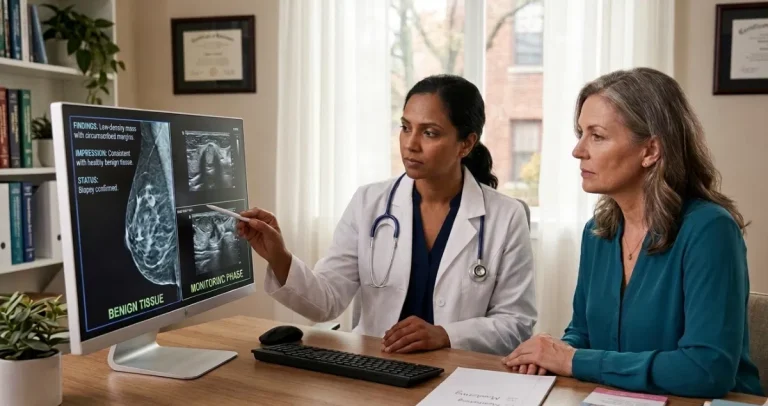
If your biopsy shows “benign” findings but your doctor is still concerned (or vice versa), it’s wise to have another expert review your slides or imaging. Sometimes small sampling differences can make a big impact on the diagnosis.
4. When Treatment Options Differ Between Doctors
If you’ve seen more than one specialist and each recommends a different treatment plan, getting another perspective can help you decide with confidence.
5. When You Simply Want Reassurance
Even if everything seems straightforward, some patients just want confirmation before undergoing major surgery or therapy. That’s completely valid, and more common than you might think.
What a Second Opinion Can Reveal
A second opinion may:
- Confirm the diagnosis – reinforcing that the original interpretation was accurate.
- Refine or change the diagnosis – for example, identifying a specific tumor subtype that responds to a different treatment.
- Recommend additional testing – such as molecular or genetic studies that can guide personalized therapy.
- Clarify unclear language – helping you understand exactly what’s written in your report.
Even when the second opinion confirms the first, patients often say the peace of mind is worth it.

The Role of the Pathologist in Second Opinions
Pathologists are the “doctor’s doctor.” They work behind the scenes examining tissue and cellular samples that form the basis of almost every diagnosis in medicine.
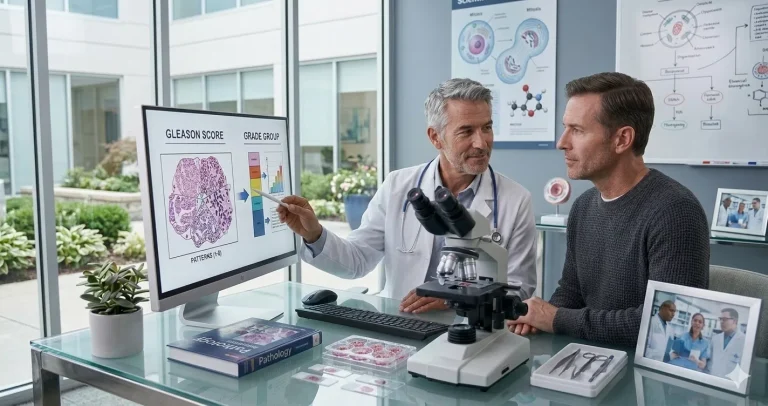
When you get a second opinion on your pathology, another pathologist re-reviews your glass slides (or digital images) and the written report. They use their expertise, sometimes in a subspecialty like breast pathology, gastrointestinal pathology, or hematopathology, to confirm or clarify the findings.
Because pathology is visual and interpretive, experience and focus matter. A pathologist who specializes in your type of disease may notice subtle details that can change a diagnosis from “precancerous” to “benign,” or from “uncertain” to “clearly malignant.”
That’s why second pathology reviews are routine at major cancer centers and often required before starting complex treatments.
How to Ask for a Second Opinion (Without Offending Anyone)
Many patients hesitate to bring up a second opinion out of fear they’ll offend their doctor. Don’t worry, you won’t. Most physicians welcome it and understand the importance of confirming major decisions. When seeking a second opinion, the best approach is honest and straightforward. You can simply say, “This is a big decision, and I’d feel more comfortable getting a second opinion.”
Most hospitals and doctors are willing to help and can forward your slides, images, or medical records to another institution. Keeping copies of your pathology report, operative notes, and imaging will make the process easier and more organized. You can also rely on trusted services independent educational consultations like Honest Pathology™ can help you understand what’s in your report and prepare the right questions to ask your care team.
What Happens During a Second Opinion Review
If you seek a pathology second opinion, the process usually involves:
- Requesting your slides and report from the hospital or laboratory that performed your biopsy.
- Sending them to the consulting pathologist or medical center for re-evaluation.
- Receiving a report that either confirms or provides a revised diagnosis.
- Discussing the findings with your care team to adjust or confirm your treatment plan.
If you seek a doctor’s second opinion, you’ll typically schedule an appointment with another specialist, provide your records, and review the diagnosis and treatment recommendations together.
Both processes can be completed within days to a few weeks, depending on the complexity of your case.
Is a Second Opinion Covered by Insurance
In many cases, yes. Most health insurance plans, including Medicare, cover second opinions for serious diagnoses or major treatment decisions. However, coverage may vary depending on the provider or network.
Even when not fully covered, the out-of-pocket cost of a second review is often small compared to the potential benefits of confirming your diagnosis before beginning treatment.
What If the Second Opinion Is Different
Sometimes, two opinions don’t completely agree, and that’s okay.
If the results differ significantly, your doctor may suggest:
- Sending the case to a third expert or specialty center for consensus.
- Performing additional testing (like molecular analysis or deeper tissue sections).
- Discussing your case at a multidisciplinary tumor board, where pathologists, radiologists, and oncologists collaborate.
The goal isn’t to “prove someone wrong,” but to ensure your care plan is based on the most accurate, complete information available.
The Emotional Side of Seeking Another Opinion
Medicine can be deeply personal. When you’re navigating test results, medical jargon, and tough decisions, it’s easy to feel overwhelmed. Getting a second opinion isn’t just about data, it’s about peace of mind.
Patients often say they feel more in control after hearing another perspective. They gain confidence in their care, understand their options better, and feel reassured that nothing was overlooked.
At Honest Pathology™, we believe this emotional clarity is just as important as the clinical one. Understanding your report in plain language can lift a huge weight off your shoulders.
How Honest Pathology™ Helps
At Honest Pathology™, our mission is to make the world of pathology understandable to everyone.
We offer educational consultations where a U.S.-trained, board-certified pathologist walks you through your report, line by line, in everyday language. You’ll see images of normal and abnormal tissue, learn what key terms mean, and understand how the findings fit into your overall diagnosis.
Our consultations are for educational purposes only, we don’t provide a new diagnosis or medical treatment plan, but we help you understand your existing report so you can talk to your doctor with confidence.
If your case seems uncertain or complex, we can help you determine whether seeking a formal second opinion would be beneficial and how to start that process safely and efficiently.
The Bottom Line: It’s Your Health, Your Right
Seeking a second opinion, whether from another pathologist or another doctor, isn’t questioning your care; it’s protecting your health. Medicine is complex, and even the best doctors value collaboration and verification. Taking that extra step ensures you’re basing your decisions on the most accurate information possible.
So if you’ve received a diagnosis and feel unsure, take a breath. Ask questions. Get clarification. And remember, you have every right to a second opinion. Because when it comes to your health, clarity is power, and Honest Pathology™ is here to help you find it.