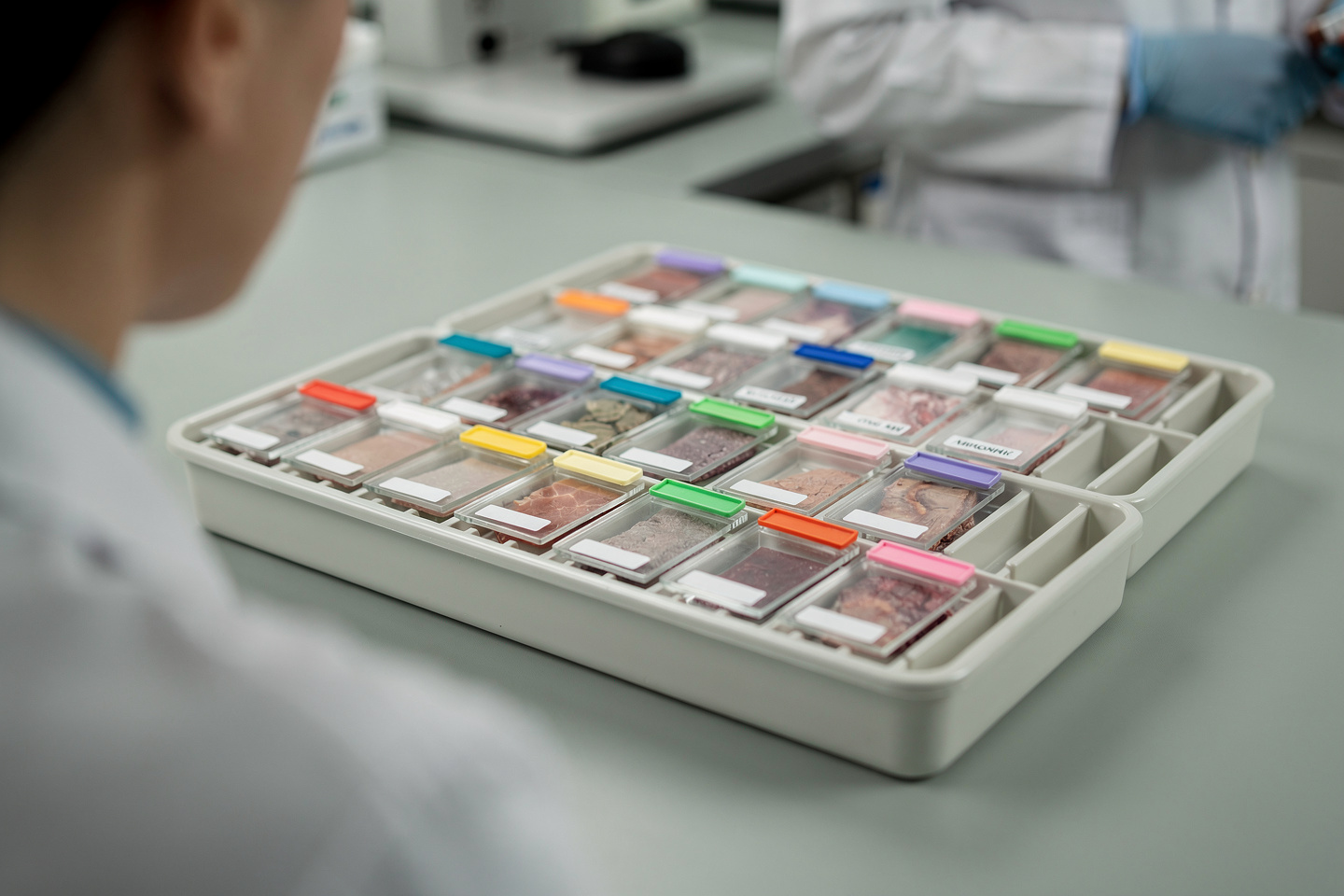
Confused by pathology results? Learn practical next steps, what the report may mean, and which questions to ask the doctor.
Confusing pathology results should be handled by slowing down, finding the exact diagnosis line, and asking for a clear explanation or expert review. A pathology report is a medical document written for doctors, so even common words may carry very specific meaning. Biopsy results can also include technical details about tissue type, tumor grade, margin status, and special stains.
Feeling frightened after opening a report is very common. Many patients see unfamiliar terms and immediately imagine the worst, even when the report contains uncertainty, early findings, or details that need clinical context. The goal is not to become a pathologist overnight. The goal is to understand enough to ask focused questions, recognize what matters most, and know when a second opinion may help.
What Confusing Pathology Results May Mean
Confusing pathology results usually mean the report was written in technical language, not that something has gone wrong. Pathologists write for surgeons, oncologists, dermatologists, gastroenterologists, and other clinicians who already know the background of the case. The pathology report often compresses a large amount of information into short phrases. That style is efficient for medical teams, but it can feel cold and unclear to a patient or caregiver.
A helpful analogy is a home inspection report. The inspector may list measurements, defects, photographs, and technical ratings, while the homeowner mainly wants to know whether the house is safe and what needs repair. Pathology works in a similar way. The diagnosis wording is the central finding, while the rest of the report explains how that diagnosis was reached and what features may affect treatment.
The first step is to separate the report into layers. The specimen line shows what tissue was examined, the diagnosis line gives the main answer, and the comment section may explain uncertainty or additional testing. For a deeper plain-language overview, patients may find What Is a Pathology Report? helpful before reading more detailed sections. When biopsy results mention cancer, precancer, inflammation, infection, or benign tissue, the exact wording matters more than isolated scary terms.
Why Pathology Reports Can Be Hard to Read

A pathology report can be hard to read because it is both a medical conclusion and a record of evidence. It may describe what the pathologist saw under the microscope, which tests were performed, and whether the sample was limited. Medical records often preserve the original technical wording so future doctors can trace how the diagnosis was made. That accuracy is valuable, but it does not always translate into everyday language.
Several specific phrases often create anxiety. Diagnosis wording such as atypical, suspicious, cannot exclude, or consistent with can sound vague because pathology sometimes deals in probabilities rather than simple yes-or-no answers. Tumor grade may describe how abnormal cancer cells look compared with normal cells, while margin status may describe whether abnormal tissue reaches the edge of the specimen. These terms are not meant to frighten patients; they are meant to guide treatment decisions.
Special testing can add another layer of confusion. Immunohistochemistry, molecular testing, biomarkers, and stains help classify tissue more precisely, especially in cancer diagnosis. A report may also say that additional studies are pending, which means the final interpretation may be refined after more results return. Patients learning to read these sections may benefit from Understanding Your Pathology Report: How to Read It with Confidence, especially when medical records include several reports from different dates.
When Confusing Results Need Extra Attention

Confusing pathology results need extra attention when the diagnosis affects major treatment decisions, when the wording is uncertain, or when the clinical story does not seem to match the report. For example, a small skin biopsy, needle biopsy, or fragmented tissue sample may not show the entire process. A pathologist can only diagnose what is present in the submitted tissue. This is why biopsy results sometimes recommend repeat sampling, correlation with imaging, or additional clinical follow-up.
Some situations deserve a particularly careful review. A new cancer diagnosis, a rare tumor type, a change in tumor grade, an unexpected margin status, or a result that changes surgery, chemotherapy, radiation, or surveillance can all justify further clarification. Confusing pathology results are also more significant when the report includes phrases such as suspicious for malignancy, high-grade dysplasia, positive margin, invasive carcinoma, or specimen inadequate. These words do not always mean the worst outcome, but they do mean the report should be explained clearly.
A second opinion can be especially useful when the diagnosis is rare, borderline, unexpected, or treatment-changing. In pathology, a second opinion means another qualified pathologist reviews the slides, report, and relevant medical records to confirm or refine the diagnosis. This review may agree with the original report, add details, or occasionally change the diagnosis. Patients considering this step can read When Should You Get a Second Pathology Opinion? for a practical explanation of when review matters most.
What Comes Next After Unclear Results
The next step after confusing pathology results is usually a conversation with the treating doctor. The doctor can connect the pathology report with symptoms, imaging, surgery findings, blood tests, and the overall clinical picture. Pathology is powerful, but it is one piece of a larger medical puzzle. When the report uses technical diagnosis wording, asking for a plain-language translation is reasonable and often very helpful.
If more clarity is needed, the patient may request the complete pathology report, operative note, imaging reports, and any addendum reports. Medical records may also include the specimen source, collection date, and whether outside slides were reviewed. These details help confirm that the right tissue was tested and that all later updates were considered. If the report mentions pending stains or molecular studies, the final discussion should wait until those results are available.
When a second opinion is pursued, the reviewing pathology service may request glass slides, paraffin blocks, digital slide images, and medical records. The process is usually routine and does not mean the first doctor failed. It means the diagnosis is being checked carefully before decisions are made. For step-by-step preparation, How to Get a Second Opinion on Your Pathology Diagnosis explains what materials are typically needed.
Questions to Ask the Doctor or Pathologist

- What is the exact diagnosis in plain language?
- Does the pathology report show cancer, precancer, inflammation, infection, benign tissue, or an uncertain finding?
- Was the tissue sample adequate, or was the biopsy limited?
- Are any stains, biomarkers, molecular tests, or addendum reports still pending?
- What does the tumor grade mean for this specific diagnosis?
- What does the margin status mean, and does it affect treatment?
- Would a second opinion from another pathologist be useful before treatment begins?
These questions help move the conversation from fear to facts. A patient does not need to understand every microscopic detail to make informed decisions. The most useful answers explain what the diagnosis is, how certain it is, and what choices it affects. If biopsy results remain unclear after the visit, written notes or a follow-up message can help preserve the explanation.
Some reports also include biomarkers such as Ki-67, hormone receptors, or molecular alterations. These results can influence treatment or prognosis depending on the diagnosis. For example, What Does Ki-67 Mean and How High Is Concerning? explains one commonly misunderstood marker. Clear interpretation depends on the disease type, the specimen, and the full pathology context.
Frequently Asked Questions
What should I do if I do not understand my pathology report?
The first step is to identify the diagnosis line and ask the treating doctor to explain it in plain language. Confusing pathology results often become clearer once the report is connected to the reason for the biopsy and the clinical findings. A patient can request the full pathology report, any addendum reports, and copies of related medical records. If the wording remains unclear or treatment will change based on the result, a second opinion may be appropriate.
Can pathology results be wrong?
Pathology is highly accurate, but no medical test is perfect. Errors or differences in interpretation can occur because tissue samples may be small, findings may overlap, or a disease may be rare. A second opinion is a careful way to confirm the diagnosis before major treatment decisions. This is especially useful when the pathology report contains uncertain diagnosis wording or unexpected findings.
Why does my biopsy report say suspicious or atypical?
Suspicious and atypical are terms pathologists use when cells are abnormal but may not fully meet criteria for a definite diagnosis. These words may reflect a limited sample, inflammation, prior treatment effect, or an early abnormal process. Biopsy results with this type of wording often need clinical correlation, additional testing, repeat biopsy, or close follow-up. The meaning depends on the organ, the microscope findings, and the overall medical situation.
Do I need a second opinion for confusing pathology results?
A second opinion is not needed for every report, but it can be valuable when confusing pathology results affect surgery, cancer treatment, or long-term monitoring. It is also reasonable when the diagnosis is rare, borderline, or different from what the doctor expected. The reviewing pathologist compares the slides with the original pathology report and relevant medical records. The goal is confirmation, clarification, and confidence before decisions are made.
What parts of a pathology report matter most?
The diagnosis line is usually the most important part because it states the main finding. Other key areas include specimen source, tumor grade, margin status, lymph node findings, special stains, and addendum reports. The comment section may explain uncertainty or recommend additional correlation. Confusing pathology results should be reviewed as a whole rather than interpreted from one isolated phrase.
Pathology language can feel overwhelming, but clarity is possible. A careful explanation can turn a frightening document into a usable medical roadmap. Honest Pathology consultations can help patients and families understand what a report says, what it does not say, and what questions deserve attention next.
References:
National Cancer Institute — Pathology Reports Fact Sheet
National Cancer Institute — Definition of Pathologist
National Cancer Institute — Definition of Second Opinion