Understanding Your Colon Cancer Diagnosis
Compassionate Clarity for Your Results
Colon cancer develops in the large intestine and can vary in location, size, and aggressiveness. Your pathology report provides detailed information about the tumor, including its type, stage, and other characteristics, helping you and your care team make informed treatment decisions.
Our team carefully interprets your colon cancer pathology report, explaining each result in a clear and supportive way to help you feel reassured and empowered in your next steps.

Why Clarity Matters

Informed Decisions

Better Conversations

Leave Empowered

Peace of Mind

Guided Next Steps
Ready to Understand Your Diagnosis?
Don’t let confusion hold you back. Schedule an online consultation with our expert pathologists and get clear, personalized answers about your diagnosis — all from the comfort of home.
Frequently Asked Questions
Tumor location can influence surgical approaches and the choice of therapy. Knowing whether the cancer is in the right or left side of the colon helps your care team plan the most effective treatment.
The stage indicates how far the cancer has spread. Early-stage cancer may require less aggressive treatment, while advanced stages may need combination therapy. Understanding the stage helps guide treatment decisions.
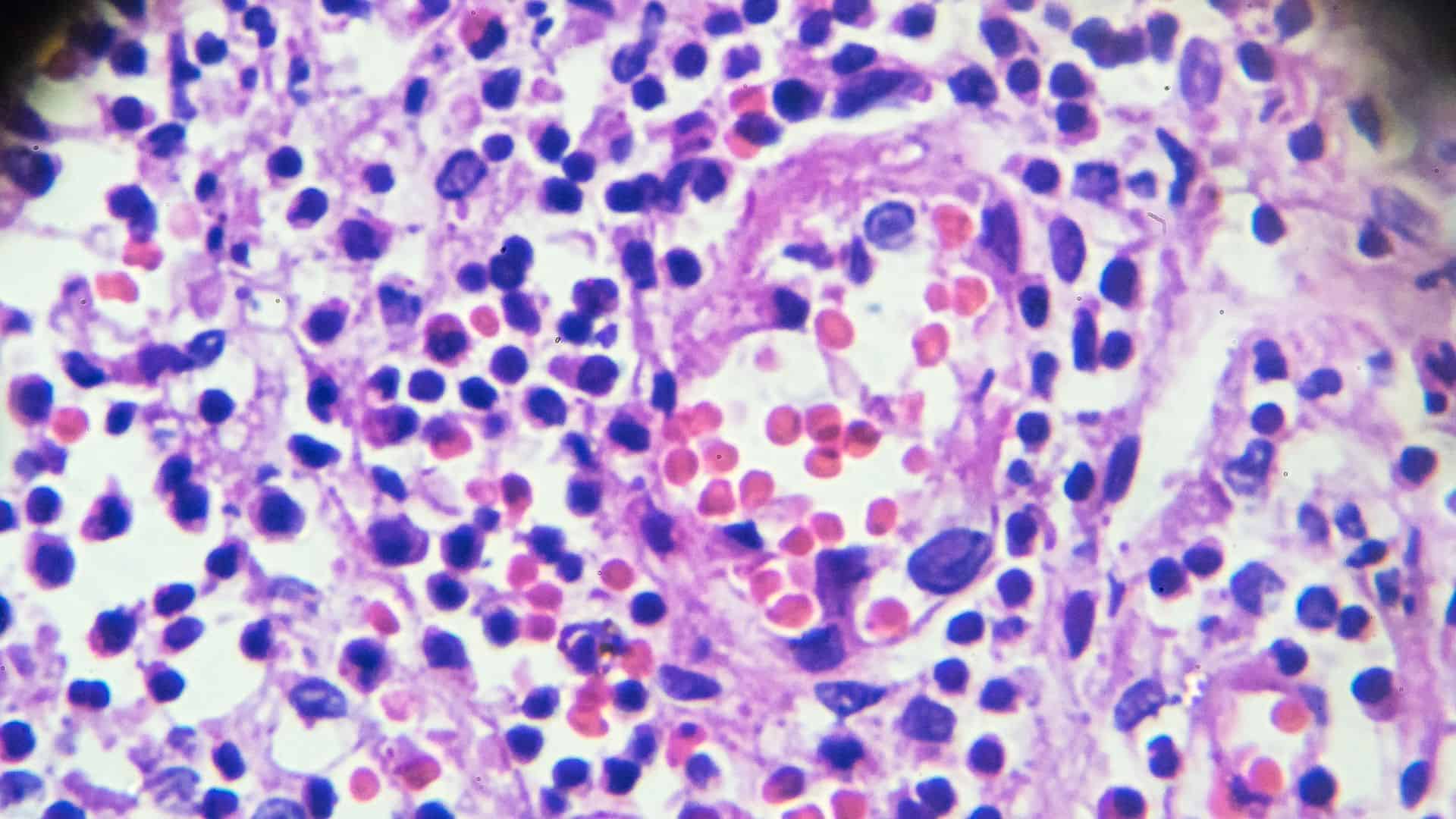
Pathologists examine cell appearance, growth patterns, and division rates under the microscope. These details show how quickly the cancer may progress and help guide treatment strategies.
Yes. Tests for genes like KRAS, NRAS, or BRAF can identify mutations that affect treatment choices, allowing for more personalized therapy options.
Tumor markers such as CEA provide information about cancer activity and can help monitor treatment response or detect recurrence.
Lymphovascular invasion indicates cancer cells are present in blood vessels or lymph nodes. This finding may influence the need for additional treatments or closer monitoring.
Microsatellite instability (MSI) is a genetic feature that can affect prognosis and treatment options. Patients with high MSI may respond better to certain immunotherapies.
The depth of invasion shows how far the tumor has penetrated the colon wall. This information helps determine surgery scope and the need for additional therapies like chemotherapy.