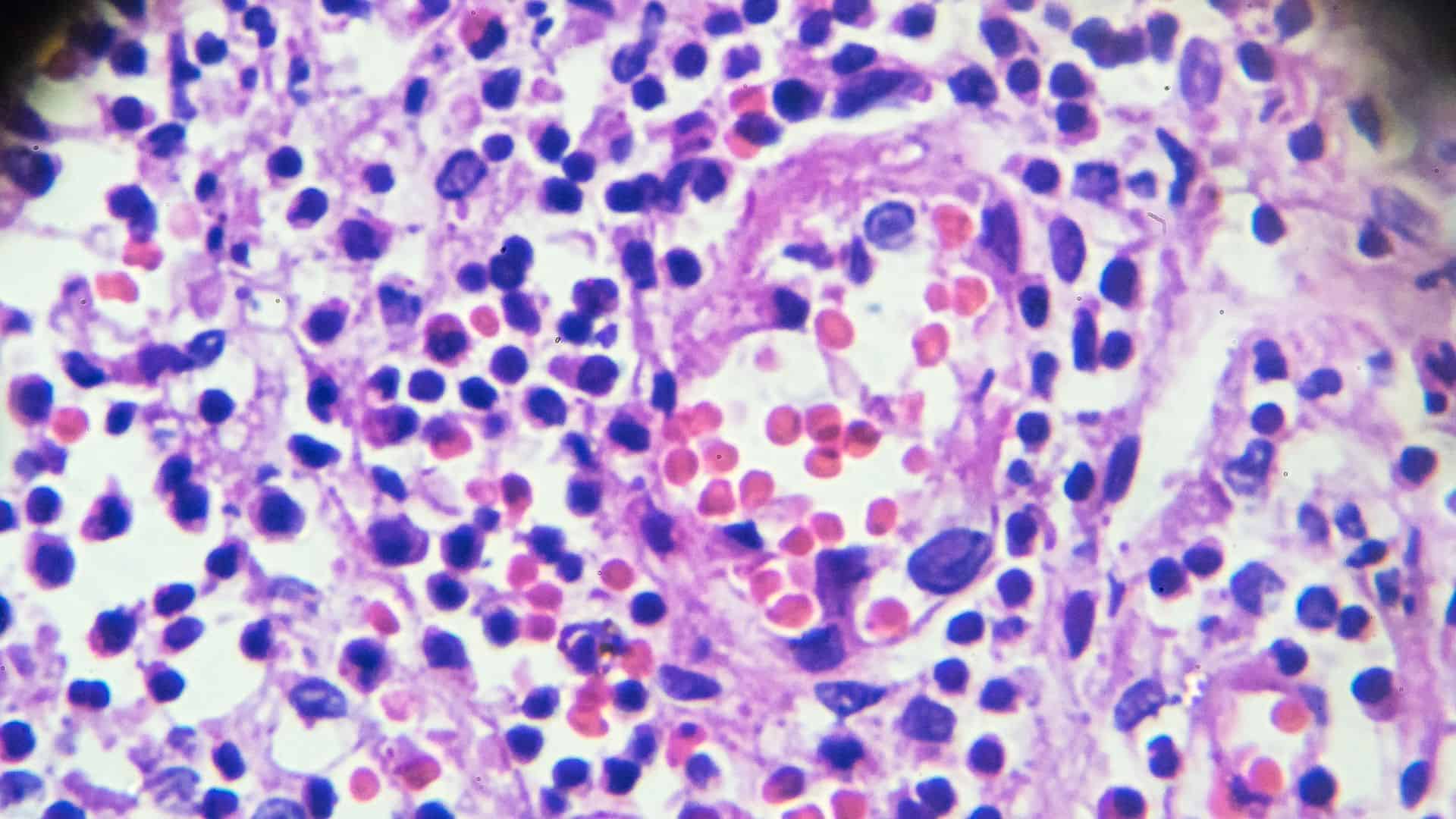
Understanding Your Cervical Cancer Diagnosis
Understanding Your Results with Care
Cervical cancer develops in the cells of the cervix and can differ in type, grade, and extent of spread. Your pathology report provides detailed information about these characteristics, helping you and your care team make well-informed decisions about treatment and follow-up care.
HONEST Pathology specialists review each section of your cervical cancer report with care, offering clear explanations and supportive guidance. We help you understand what each finding means for your treatment options and next steps, empowering you to feel confident in your care plan.


Informed Decisions

Better Conversations

Leave Empowered

Peace of Mind

Guided Next Steps
Ready to Understand Your Diagnosis?
Don’t let confusion hold you back. Schedule an online consultation with our expert pathologists and get clear, personalized answers about your diagnosis — all from the comfort of home.
Frequently Asked Questions
Cervical cancer can include squamous cell carcinoma or adenocarcinoma. Identifying the type helps your care team choose the most effective therapy, including surgery, radiation, or chemotherapy.
The stage indicates how far the cancer has spread within the cervix or to nearby organs. Early-stage cancer may require less aggressive treatment, while advanced stages may need a combination of therapies.
Tumor grade shows how abnormal the cancer cells appear under a microscope. High-grade tumors tend to grow faster and may require more intensive treatment than low-grade tumors.
Yes. Testing for high-risk HPV strains can help confirm the cause of the cancer and guide preventive or targeted therapies.
Lymphovascular invasion occurs when cancer cells are found in blood vessels or lymph channels. This may indicate a higher risk of spread and influence treatment planning.
Clear margins indicate no cancer cells at the edges of removed tissue. Positive margins may require additional treatment to ensure all cancer is addressed.
Molecular tests can detect specific genetic changes that help predict response to targeted therapies or immunotherapy.
The depth of tumor penetration into cervical tissue helps determine whether surgery alone is sufficient or if additional therapy, like radiation or chemotherapy, is needed.