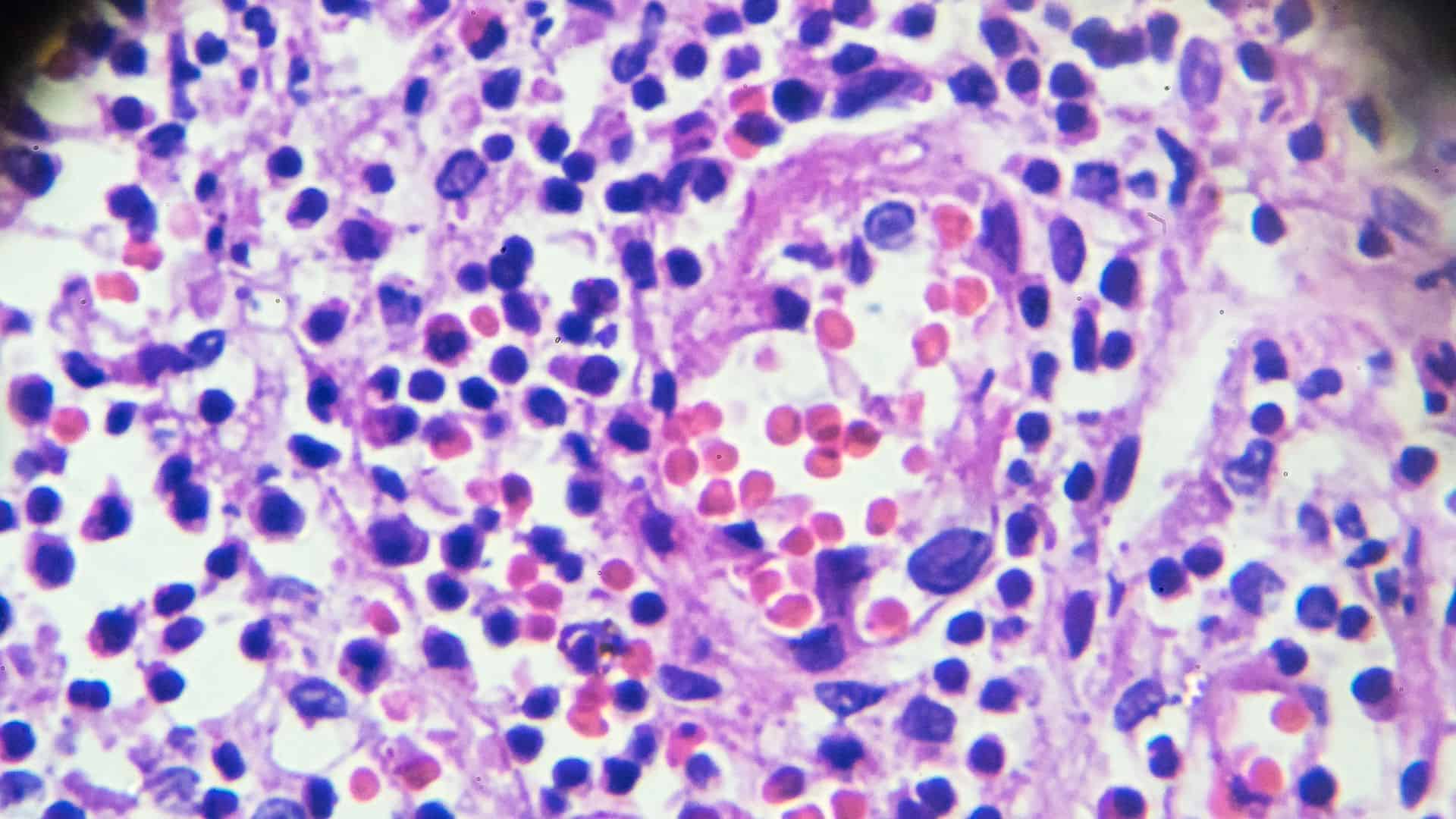
Understanding Your Celiac Disease Diagnosis
Clear Understanding to Help You Interpret Your Results
Celiac disease is an autoimmune condition triggered by gluten that damages the lining of the small intestine. Your pathology report highlights villous changes and inflammation, helping your care team guide diagnosis confirmation and long-term dietary management.
HONEST Pathology specialists carefully review your biopsy findings, providing clear explanations and supportive guidance. We help you understand what each result means so you feel informed, reassured, and confident in managing your condition.
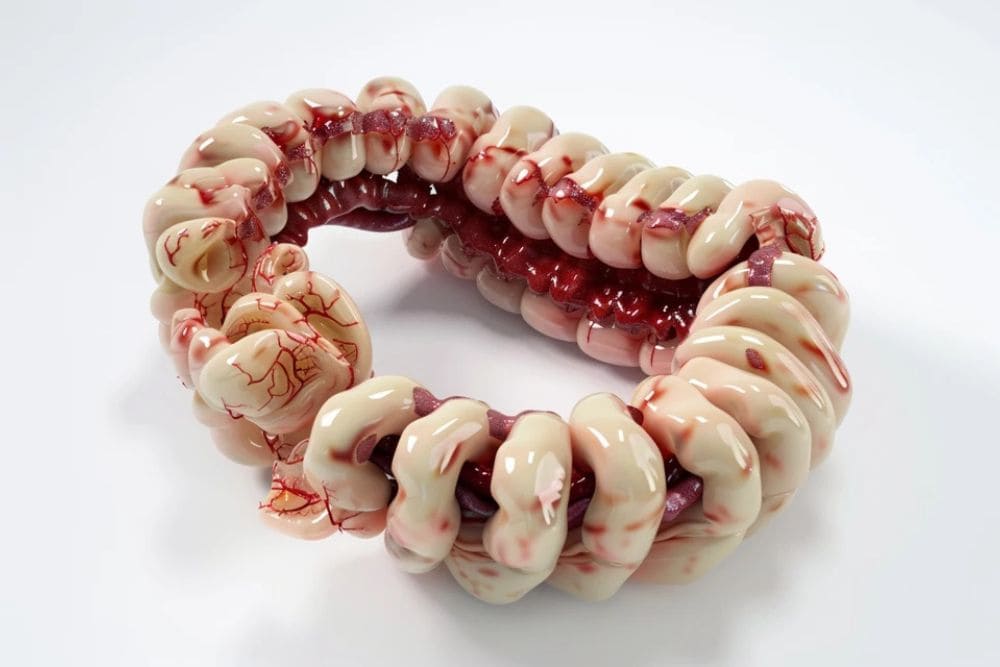

Informed Decisions

Better Conversations

Leave Empowered
Ready to Understand Your Diagnosis?
Don’t let confusion hold you back. Schedule an online consultation with our expert pathologists and get clear, personalized answers about your diagnosis — all from the comfort of home.
Frequently Asked Questions
Celiac disease is an autoimmune disorder where eating gluten leads to damage in the small intestine.
Symptoms may include diarrhea, bloating, abdominal pain, fatigue, and nutrient deficiencies.
Diagnosis involves blood tests and biopsy of the small intestine to confirm characteristic tissue changes.
Villous atrophy refers to damage and flattening of the small intestine lining, which affects nutrient absorption.
Yes. It can lead to anemia, bone loss, skin conditions, and other systemic effects.
A strict gluten-free diet is essential to allow healing and prevent further intestinal damage.
Yes. It requires lifelong dietary management to maintain health and prevent complications.
Follow-up includes monitoring symptoms, nutritional status, and repeat testing to ensure intestinal healing.