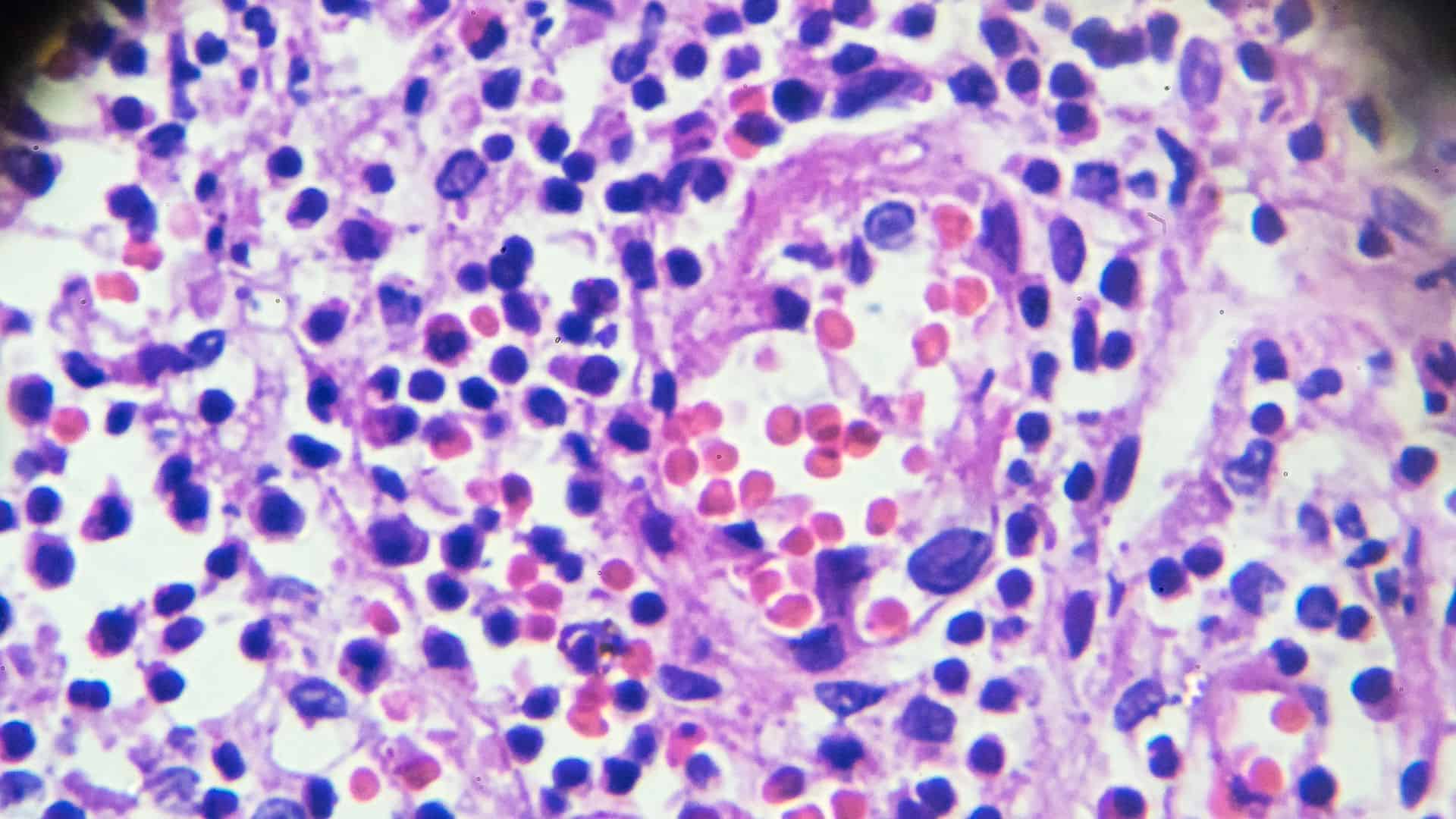
Understanding Your Bone Osteosarcoma Diagnosis
Clear Direction to Help You Understand Your Results
Bone osteosarcoma develops in the bone-forming cells and most often affects long bones such as the arms or legs. Your pathology report explains tumor type, grade, and spread, helping your care team guide treatment decisions and plan appropriate follow-up care.
HONEST Pathology specialists carefully review your osteosarcoma report, providing clear explanations and supportive guidance. We help you understand what each finding means so you feel informed, reassured, and confident as you move forward.

Informed Decisions

Better Conversations

Leave Empowered
Ready to Understand Your Diagnosis?
Don’t let confusion hold you back. Schedule an online consultation with our expert pathologists and get clear, personalized answers about your diagnosis — all from the comfort of home.
Frequently Asked Questions
Osteosarcoma is a type of bone cancer that begins in the cells that form new bone tissue, most commonly in growing bones.
It most often affects children, teenagers, and young adults, but it can occur at any age.
Diagnosis involves imaging studies and a biopsy, where the tumor tissue is examined to confirm the type and grade.
Tumor grade indicates how aggressive the cancer cells appear. High-grade tumors tend to grow and spread more quickly.
The location of the tumor affects surgical planning and the type of treatment recommended.
Yes. It most commonly spreads to the lungs, which is why staging and imaging are important.
Chemotherapy is often used before and after surgery to shrink the tumor and reduce the risk of spread.
Regular imaging and clinical visits help monitor treatment response and detect any recurrence early.