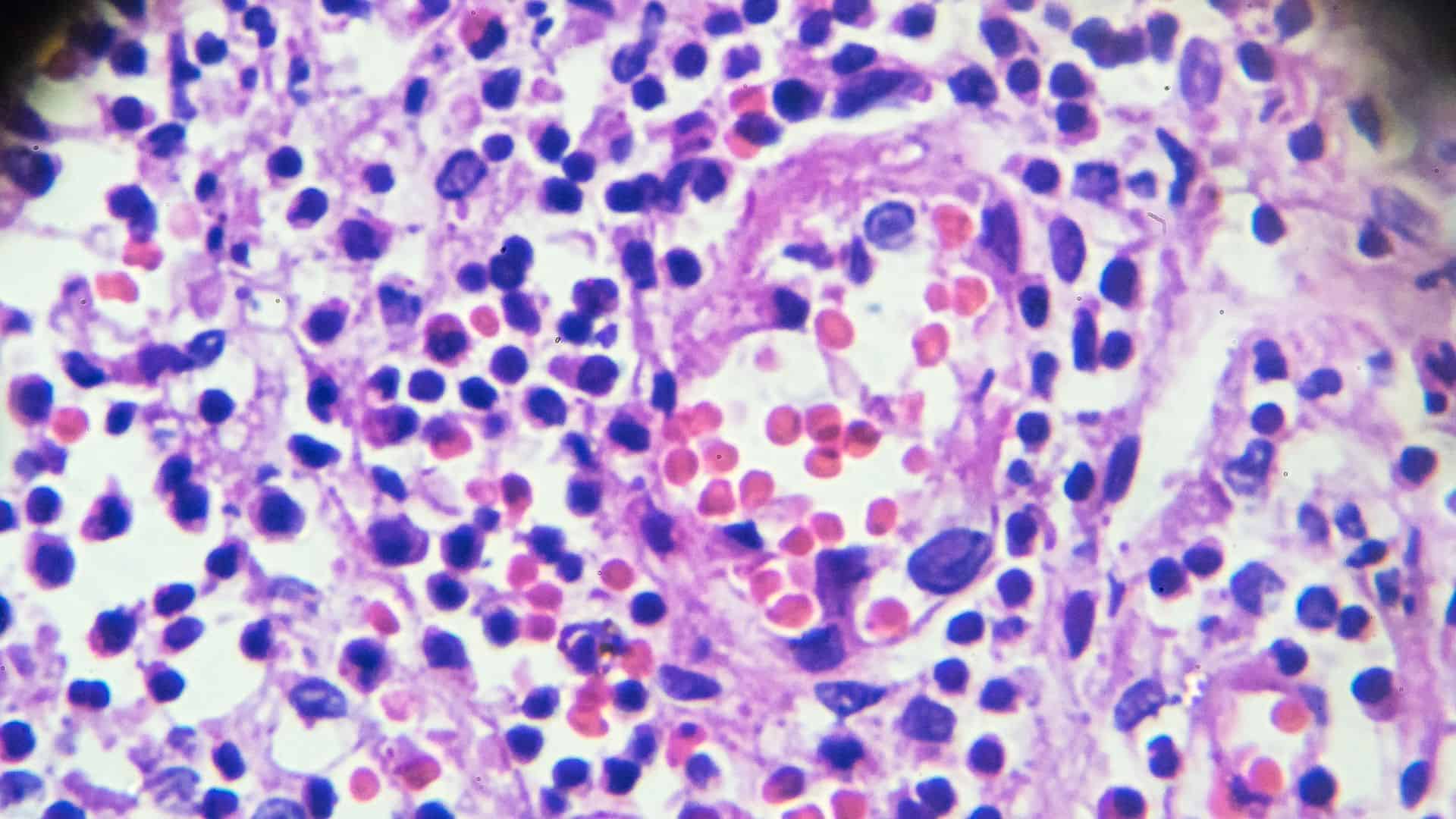
Understanding Your Acute and Chronic Colitis Diagnosis
Helpful Guidance for Reviewing Your Pathology Results
Colitis refers to inflammation of the colon, also known as the large intestine. Acute colitis typically develops suddenly and may be related to infections, medications, or temporary inflammatory conditions, while chronic colitis involves ongoing or recurring inflammation that may be associated with long-term digestive disorders. A pathology report helps identify the pattern and severity of inflammation within the colon tissue.
HONEST Pathology specialists carefully evaluate colon tissue samples and provide clear explanations of your pathology findings. Our goal is to help you understand what your results mean and support informed conversations with your healthcare provider regarding diagnosis, treatment, and follow-up care.
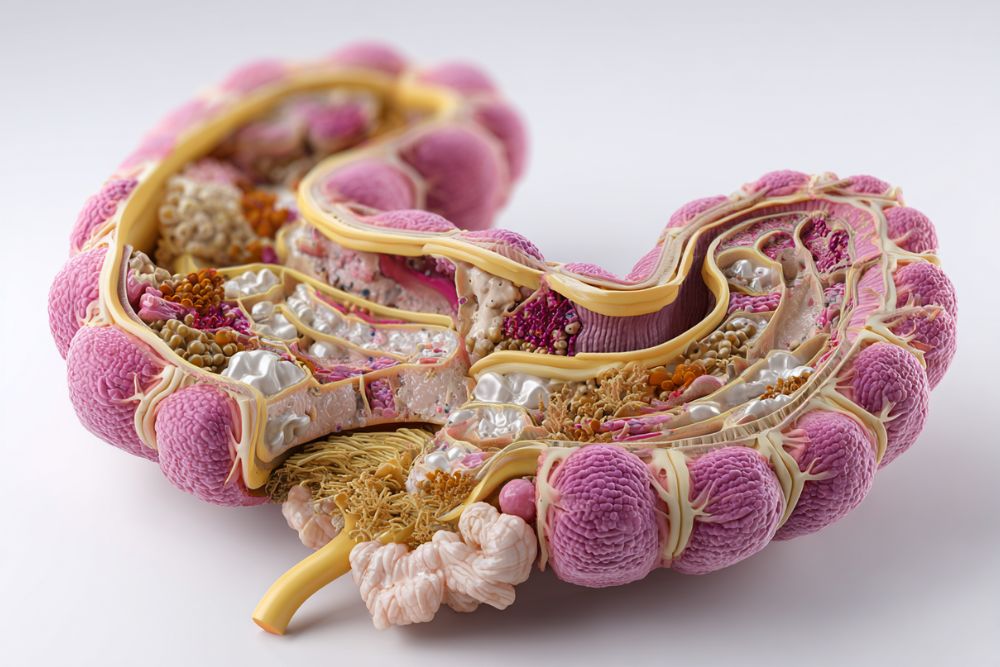

Informed Decisions

Better Conversations

Leave Empowered
Ready to Understand Your Diagnosis?
Don’t let confusion hold you back. Schedule an online consultation with our expert pathologists and get clear, personalized answers about your diagnosis — all from the comfort of home.
Frequently Asked Questions
Colitis is inflammation of the lining of the colon that can cause digestive symptoms and changes in bowel function.
Acute colitis develops over a short period and is often temporary, while chronic colitis involves persistent or recurring inflammation over time.
Acute colitis may result from infections, medication reactions, reduced blood flow to the colon, or other temporary inflammatory triggers.
Chronic colitis is commonly associated with inflammatory bowel diseases such as ulcerative colitis or Crohn’s disease, although other causes may exist.
A biopsy allows pathologists to examine colon tissue under a microscope and determine the type, extent, and duration of inflammation.
Symptoms may include abdominal pain, diarrhea, rectal bleeding, urgency, bloating, or changes in bowel habits.
Inflammation indicates that immune cells are present within the tissue, helping pathologists identify active disease and possible underlying causes.
Your healthcare provider may recommend additional testing, medications, dietary adjustments, or ongoing monitoring depending on the type and severity of colitis identified.