Understanding Your Endometrial Hyperplasia Diagnosis
Supportive Information for Interpreting Your Pathology Findings
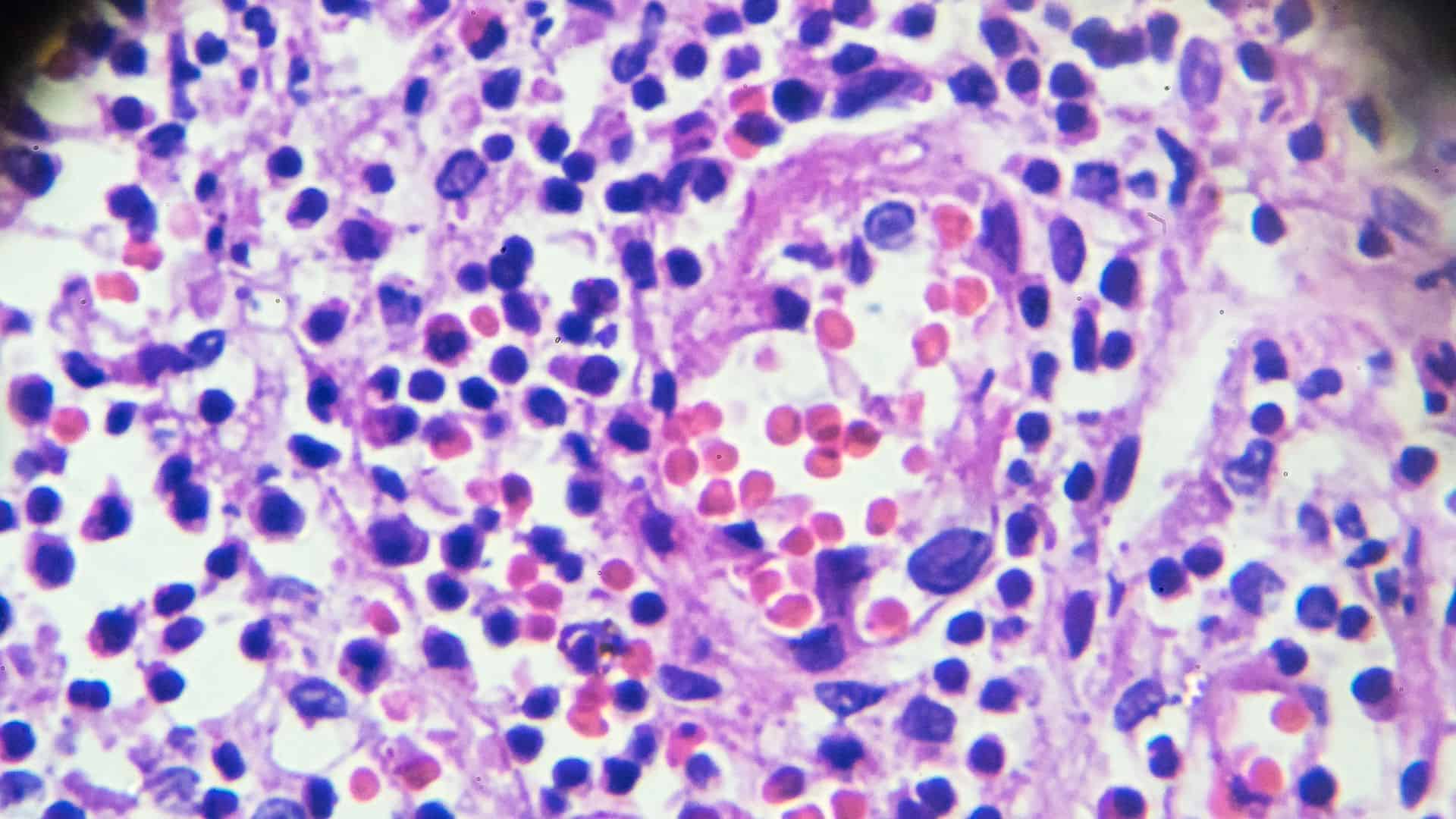
Endometrial hyperplasia is a condition in which the lining of the uterus becomes thicker than normal due to an increase in the number of endometrial cells. A pathology report helps identify the type of hyperplasia present and whether any cellular changes require additional evaluation or follow-up care.
HONEST Pathology specialists carefully examine endometrial tissue samples and provide clear, easy-to-understand explanations of your findings. We help you better understand your diagnosis, the significance of your pathology results, and the next steps your healthcare provider may recommend.

Informed Decisions

Better Conversations

Leave Empowered
Ready to Understand Your Diagnosis?
Don’t let confusion hold you back. Schedule an online consultation with our expert pathologists and get clear, personalized answers about your diagnosis — all from the comfort of home.
Frequently Asked Questions
Endometrial hyperplasia is an overgrowth of the cells that make up the uterine lining, resulting in a thicker-than-normal endometrium.
The condition is often linked to prolonged exposure to estrogen without sufficient progesterone, which can stimulate excessive growth of the uterine lining.
Most cases are not cancer. However, certain forms of endometrial hyperplasia may increase the risk of developing endometrial cancer if left untreated.
Common symptoms include abnormal uterine bleeding, heavy menstrual periods, irregular cycles, or bleeding after menopause.
Diagnosis is typically made through an endometrial biopsy, dilation and curettage (D&C), or other procedures that allow tissue examination.
Atypia refers to abnormal cellular features that may indicate a higher risk of progression to endometrial cancer and often require closer management.
A biopsy allows pathologists to evaluate the uterine lining under a microscope and determine whether hyperplasia or other abnormalities are present.
Treatment and follow-up depend on the type of hyperplasia, your symptoms, and individual risk factors. Your healthcare provider may recommend monitoring, medication, or additional procedures.