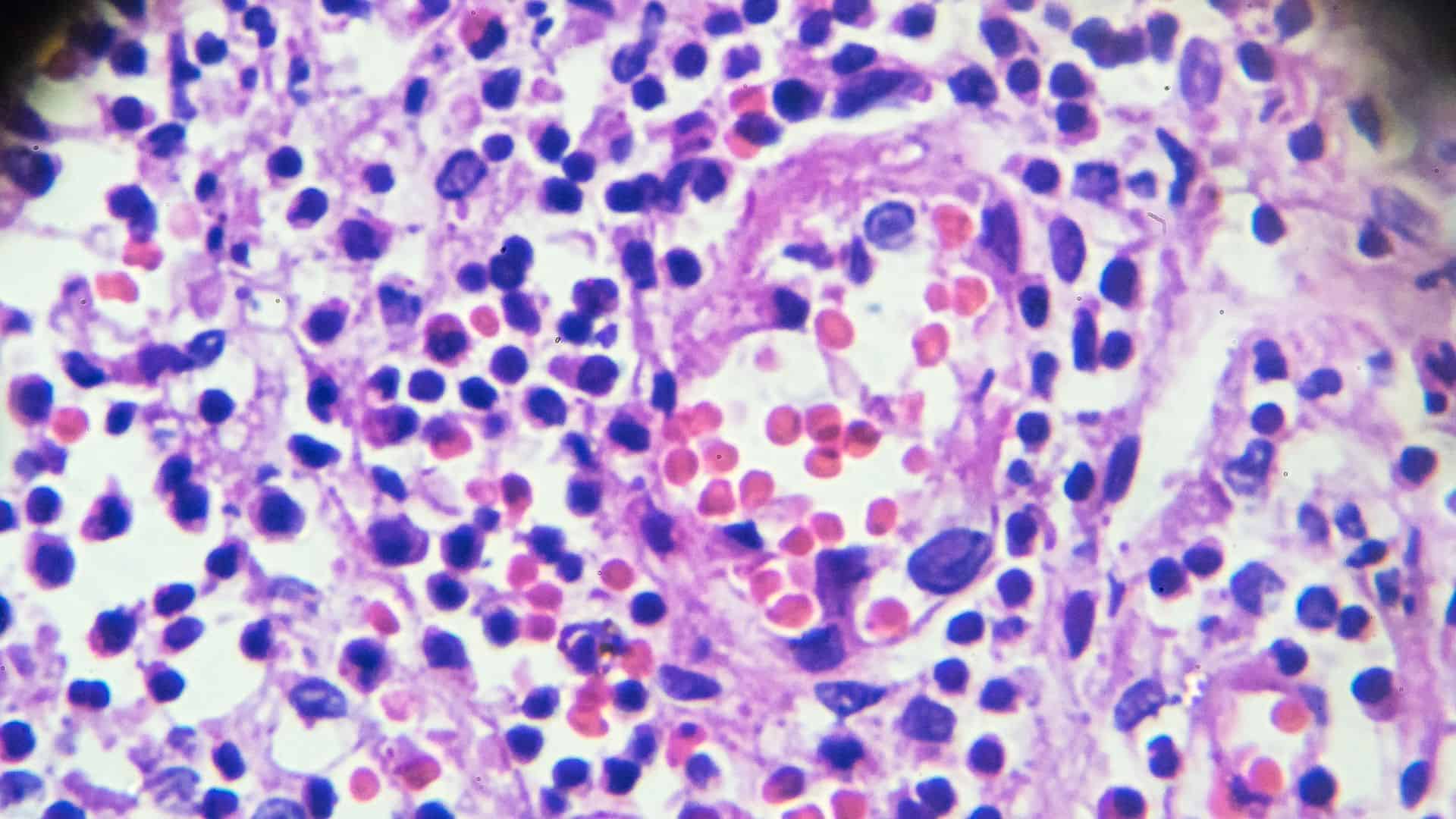
Understanding Your Soft Tissue Sarcoma Diagnosis
Guidance You Can Rely On for Clear Answers
Soft tissue sarcoma develops in muscles, fat, nerves, or connective tissues and can vary in type, grade, and growth pattern. Your pathology report outlines tumor characteristics, helping your care team determine treatment options and plan appropriate follow-up care.
HONEST Pathology specialists carefully review your sarcoma report, providing clear explanations and supportive guidance. We help you understand what each finding means so you feel informed, reassured, and confident as you move forward.

Informed Decisions

Better Conversations

Leave Empowered
Ready to Understand Your Diagnosis?
Don’t let confusion hold you back. Schedule an online consultation with our expert pathologists and get clear, personalized answers about your diagnosis — all from the comfort of home.
Frequently Asked Questions
Soft tissue sarcoma is a group of cancers that begin in connective tissues such as muscle, fat, blood vessels, or nerves.
Yes. There are many subtypes, including liposarcoma, leiomyosarcoma, and others, each with different behavior and treatment approaches.
Diagnosis is made through imaging and biopsy, where tissue is examined under a microscope to determine the tumor type and grade.
Tumor grade describes how aggressive the cancer cells appear. Higher-grade sarcomas tend to grow and spread more quickly.
Tumor size helps determine stage and can influence treatment decisions, including surgery and additional therapies.
Margins indicate whether cancer cells are present at the edges of removed tissue. Clear margins reduce the risk of recurrence.
Yes. Sarcomas can spread, most commonly to the lungs, which is why staging and monitoring are important.
Follow-up includes imaging and regular check-ups to monitor for recurrence and assess recovery after treatment.