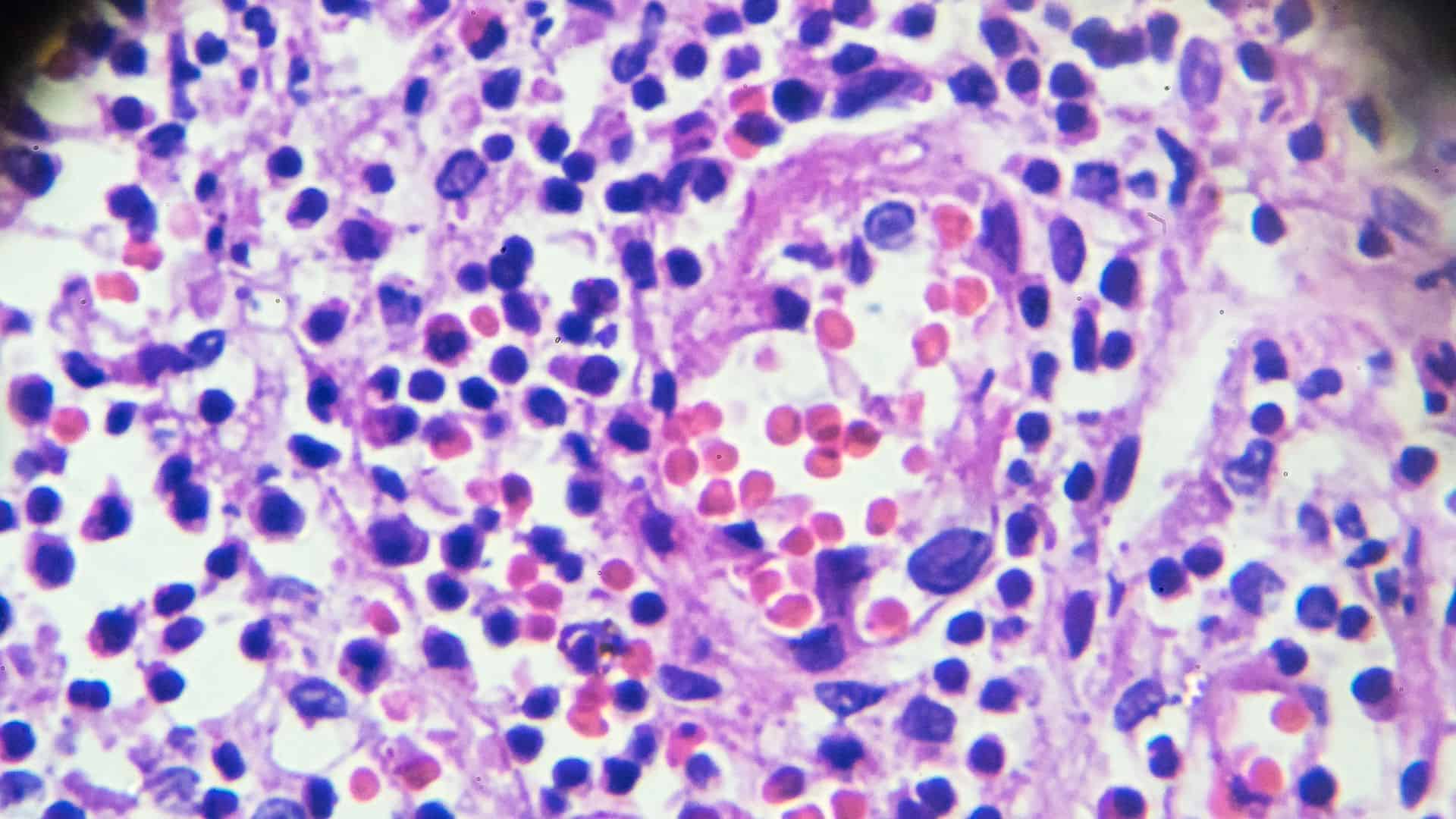
Understanding Your Esophageal Cancer Diagnosis
Clear, Supportive Insight Into Your Pathology Findings
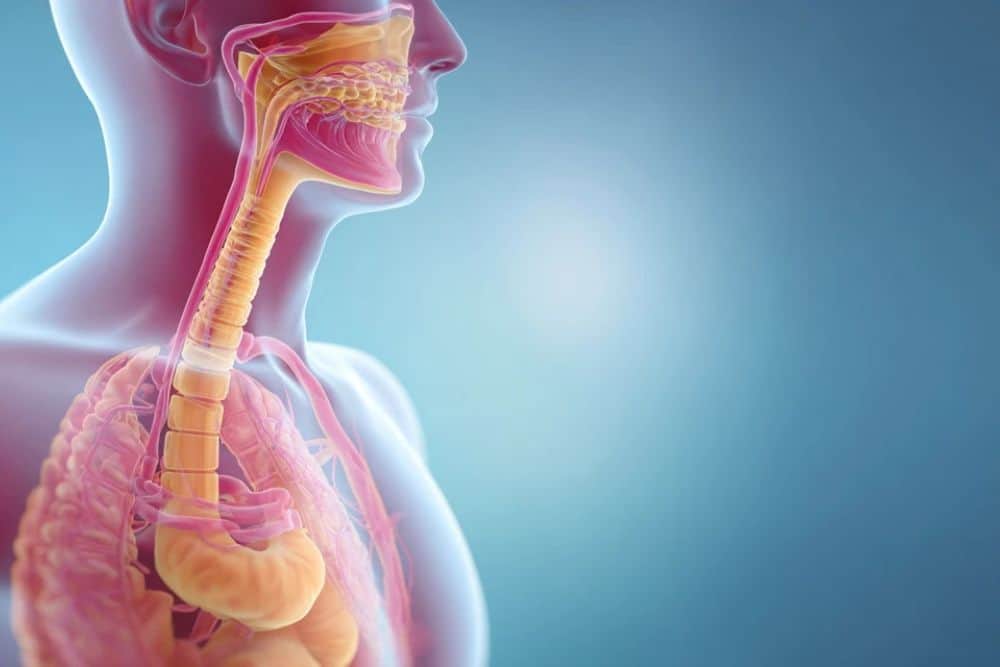
Esophageal cancer develops in the lining of the esophagus and may vary by cell type, tumor grade, and depth of invasion. Your pathology report outlines these features clearly, helping you and your care team make informed decisions about treatment and ongoing management.
HONEST Pathology specialists carefully review every part of your esophageal cancer report, offering precise explanations and supportive guidance. We help you understand what each finding means so you feel confident in your diagnosis and the next steps in your care.

Informed Decisions

Better Conversations

Leave Empowered
Ready to Understand Your Diagnosis?
Don’t let confusion hold you back. Schedule an online consultation with our expert pathologists and get clear, personalized answers about your diagnosis — all from the comfort of home.
Frequently Asked Questions
An esophageal cancer pathology report identifies the tumor type, grade, size, depth of invasion, margin status, and lymph node involvement. It may also include biomarker or molecular testing results that help guide targeted therapy decisions.
The two primary types are adenocarcinoma and squamous cell carcinoma. Accurate pathological classification is essential because treatment strategies differ between these tumor subtypes.
Depth of invasion describes how far the tumor has penetrated through the layers of the esophageal wall. This measurement is critical for staging and determining the most appropriate treatment plan.
Pathology assessment of lymph nodes determines whether the cancer has spread beyond the primary tumor. Lymph node involvement significantly influences staging, prognosis, and treatment recommendations.
Tumor grading evaluates how abnormal the cancer cells appear under microscopic examination. Higher-grade tumors generally grow and spread more aggressively than lower-grade tumors.
Yes. Testing for biomarkers such as HER2 or PD-L1 may be performed in certain cases to determine eligibility for targeted or immunotherapy treatments.
A second pathology review can confirm tumor subtype, grade, and staging details, ensuring diagnostic accuracy before major treatment decisions are made.
Pathology results help determine whether surgery, chemotherapy, radiation therapy, targeted therapy, or a combination approach is most appropriate based on tumor characteristics and stage.