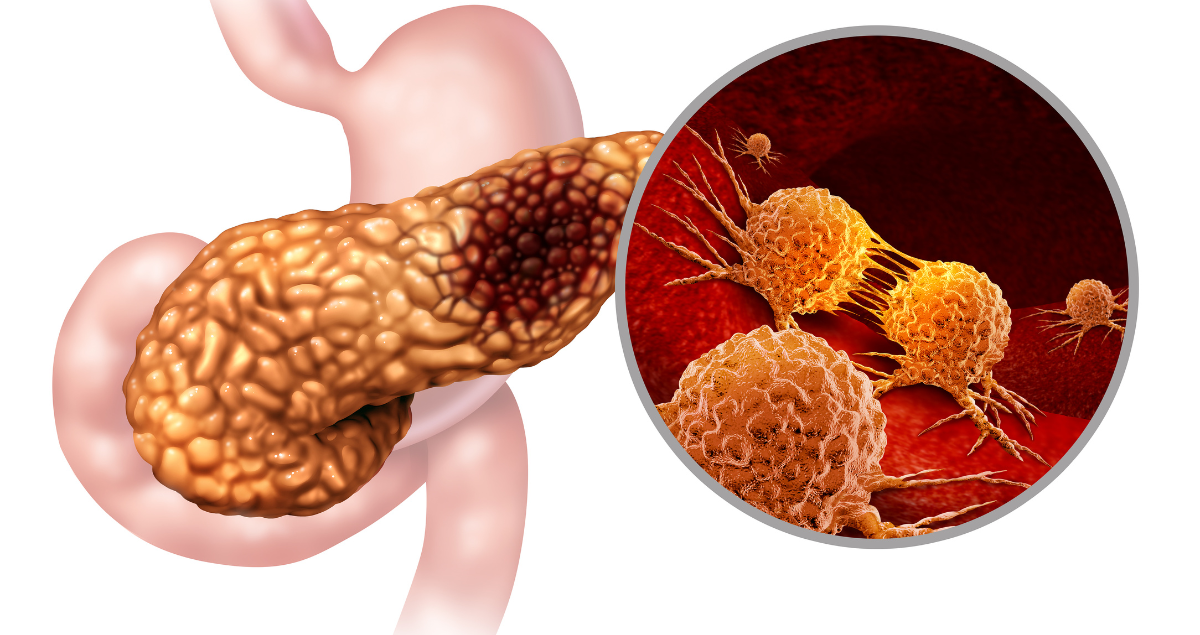
Being told you need a liver biopsy can bring a wave of uncertainty. Many people imagine the worst, even though liver biopsies are most often performed to understand inflammation, fat accumulation, scarring, autoimmune activity, infections, or metabolic conditions. When the sample is examined by a pathologist, the results frequently reveal common and manageable liver conditions rather than something life-threatening.
Opening the pathology report, however, can feel intimidating. These reports are filled with technical language that was never created for patients to interpret. You might see terms like steatosis, portal inflammation, ballooning injury, cholestasis, interface hepatitis, or fibrosis patterns. Without someone guiding you through it, a liver pathology report can cause unnecessary fear or confusion.
This is why clear, patient-focused education matters. It is also why Honest Pathology™ exists. Having a board-certified pathologist explain your report in gentle, everyday language can transform the experience from stressful to empowering. Many patients find that once the science is translated into plain English, their anxiety melts away and they finally understand what is happening inside their body.
This guide walks you through the most common results seen in liver biopsy reports, explains how pathologists interpret these findings, and helps you understand what they might mean for your care.
Why Doctors Order a Liver Biopsy
A liver biopsy is recommended when bloodwork or imaging suggests that the liver may be under stress or reacting to something in the body. The liver can be affected by many different factors, but only a biopsy can show the exact pattern of injury. A small sample of liver tissue is examined under the microscope, allowing the pathologist to look for inflammation, fat, scarring, immune reactions, metabolic changes, or signs of healing.
This level of detail helps your doctor understand the true cause of your symptoms and what treatment will be most effective.
What a Pathologist Looks For
When a liver biopsy arrives at the laboratory, the pathologist studies the tissue closely. They examine the overall structure of the liver, the health of the liver cells, the presence and type of inflammation, any buildup of fat, the condition of the bile ducts, and the amount and pattern of scarring. Different liver diseases create different patterns, and those patterns guide the diagnosis.
At Honest Pathology™, patients often tell us that hearing these findings explained by the doctor who actually examined the tissue is one of the most reassuring and eye-opening experiences they have had in their entire medical journey.
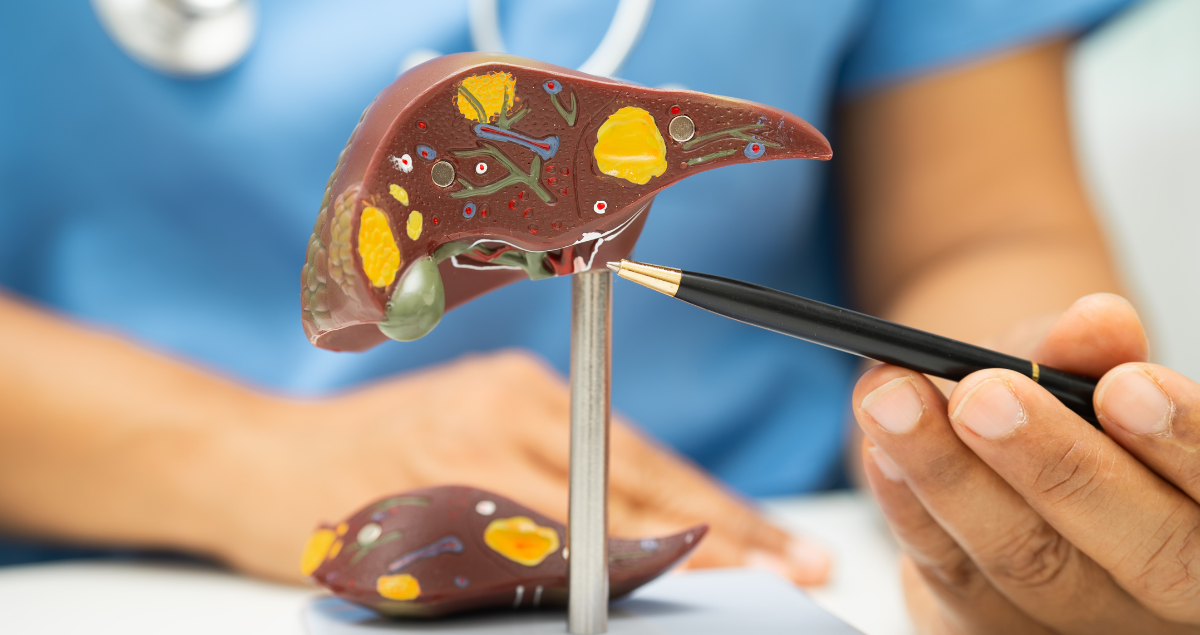 Fatty Liver Changes
Many liver biopsies show fat accumulation, often called steatosis. When fat droplets build up inside liver cells, the cells can become stressed and less efficient. This can be related to metabolic health, weight patterns, certain medications, hormonal changes, or alcohol. Under the microscope, the pathologist can see exactly how much fat is present and whether the liver cells are showing signs of injury.
Understanding whether the liver is simply storing fat or whether inflammation and scarring have begun is crucial. With the right interpretation, patients often feel relieved to learn that there are steps they can take to improve liver health.
Metabolic Dysfunction–Associated Steatotic Liver Disease
One of the most common diagnoses today is a condition known as metabolic dysfunction–associated steatotic liver disease, often shortened to MASLD. This condition happens when metabolic stress leads to fat buildup inside the liver. Over time, this fat can cause inflammation, cell injury, and scarring.
Under the microscope, the pathologist may see fat inside the liver cells, swollen or stressed cells, and clusters of inflammatory cells. These patterns help determine whether the liver is reacting mildly or whether it has entered a stage where injury and scarring are starting to occur.
MASLD often develops quietly, with few or no symptoms, so patients are sometimes surprised when their biopsy shows its effects. The encouraging news is that this condition is often manageable and can improve when metabolic stress is addressed. Honest Pathology™ frequently helps patients understand exactly what their report shows, giving them clarity and direction as they move forward with their care team.
Inflammation From Hepatitis
A biopsy may show inflammation caused by hepatitis, which simply means inflammation of the liver. This can happen for many reasons, including viral infections, autoimmune disease, metabolic conditions, or reactions to medications.
The report may mention where the inflammation is located and what types of immune cells are present. It might describe liver cells that are swollen or injured, or note whether the bile ducts are affected. Although the terminology can feel overwhelming, each phrase is a clue that helps your doctor understand the cause of your symptoms.
Once explained in everyday language, these findings become much easier to understand and far less frightening.
Autoimmune Liver Conditions
Autoimmune conditions can affect the liver just as they can affect the skin, thyroid, joints, or intestines. In autoimmune liver disease, the immune system attacks either the liver cells themselves or the bile ducts that help move bile out of the liver.
Under the microscope, autoimmune hepatitis may show immune cells attacking the border of liver tissue. Primary biliary cholangitis may show damage to the tiny bile ducts. Other autoimmune conditions may show distinct patterns of inflammation or scarring.
Because autoimmune liver disease can progress silently, understanding the biopsy findings is incredibly important. Honest Pathology™ often helps patients interpret these complex reports so they can understand exactly what their immune system is doing and what steps may help protect the liver moving forward.
Alcohol-Associated Liver Injury
Another common liver biopsy finding involves injury caused by alcohol. Alcohol can stress the liver cells, cause them to swell, and lead to inflammation and scarring. The pathologist may describe enlarged or damaged liver cells, fat accumulation, or specific patterns of inflammation associated with alcohol use.
Patients are sometimes relieved to learn that early stages of alcohol-related liver disease can improve significantly with the right support and lifestyle changes. Understanding the biopsy helps patients and their doctors determine the extent of the injury and how reversible it may be.
Metabolic and Genetic Liver Conditions
Certain metabolic or hereditary conditions can leave deposits of copper, iron, or other substances in the liver. These conditions may require special stains or tests within the pathology lab. When patients see terms like copper-associated protein or iron accumulation, the wording can feel alarming. But these findings often simply point toward a metabolic pattern that can be evaluated and treated once properly understood.
A conversation with a pathologist can bring clarity and dissolve many of the fears that come from reading complex scientific language without guidance.
Fibrosis and Scarring
Any chronic liver injury, whether from fat, inflammation, alcohol, autoimmune activity, or metabolic stress, can lead to scarring. This scarring is called fibrosis. The pathologist examines the extent of fibrosis and describes whether it is early and limited or more widespread. When scarring becomes advanced and affects the entire structure of the liver, it is known as cirrhosis.
Understanding the degree of scarring is one of the most important parts of a liver biopsy report. Patients often feel empowered after learning what their fibrosis stage means and how it affects their next steps.
Why Liver Pathology Reports Feel Overwhelming
Liver biopsy reports contain dense medical terminology that can be confusing or intimidating. Words like ductular reaction, periportal activity, lobular inflammation, and ballooning degeneration can be frightening when you do not know their meaning. But every one of these terms can be translated into simple language.
At Honest Pathology™, pathologists take the time to explain each part of your report in a calm and supportive way. Many patients describe feeling a sense of relief once they finally understand what the findings actually show.
Final Thoughts: You Deserve Clarity and Confidence
A liver biopsy can feel intimidating, but the results often provide answers that allow you and your doctor to make informed decisions. Many common findings describe inflammation, fat buildup, metabolic changes, autoimmune patterns, or scarring rather than cancer. When explained in everyday language, these findings can help guide treatment, motivate positive change, and offer reassurance.
You should never feel lost or afraid when reading your own biopsy report. You deserve clarity, understanding, and the chance to ask questions. Honest Pathology™ was created for exactly this purpose. Our board-certified pathologists help patients make sense of their reports, understand their diagnosis, and move forward with confidence and peace of mind.
If you want clear answers about your liver biopsy, Honest Pathology™ is ready to help you take the next step.