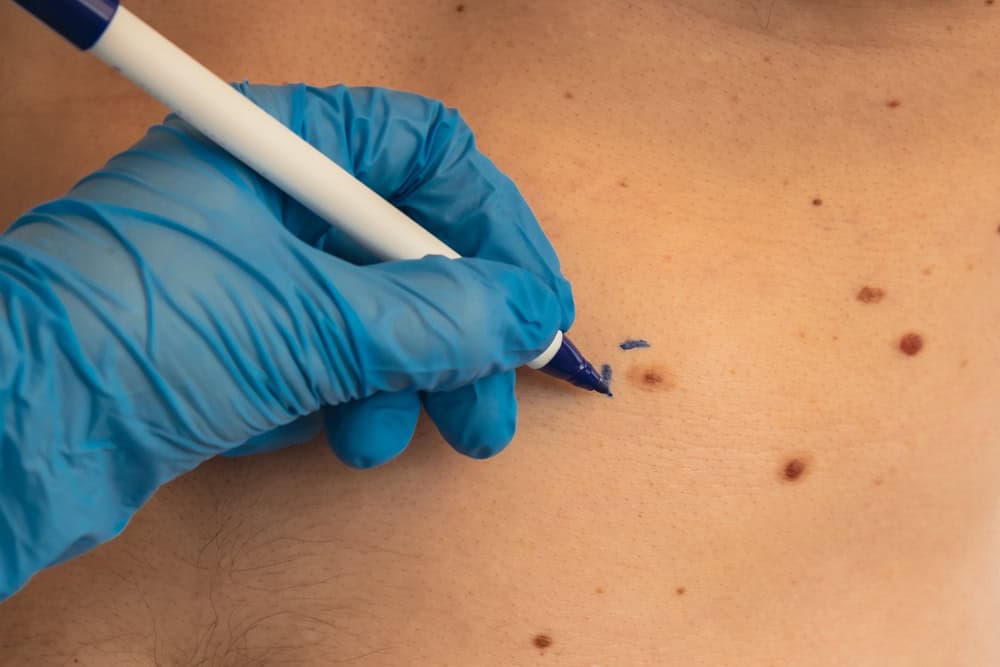
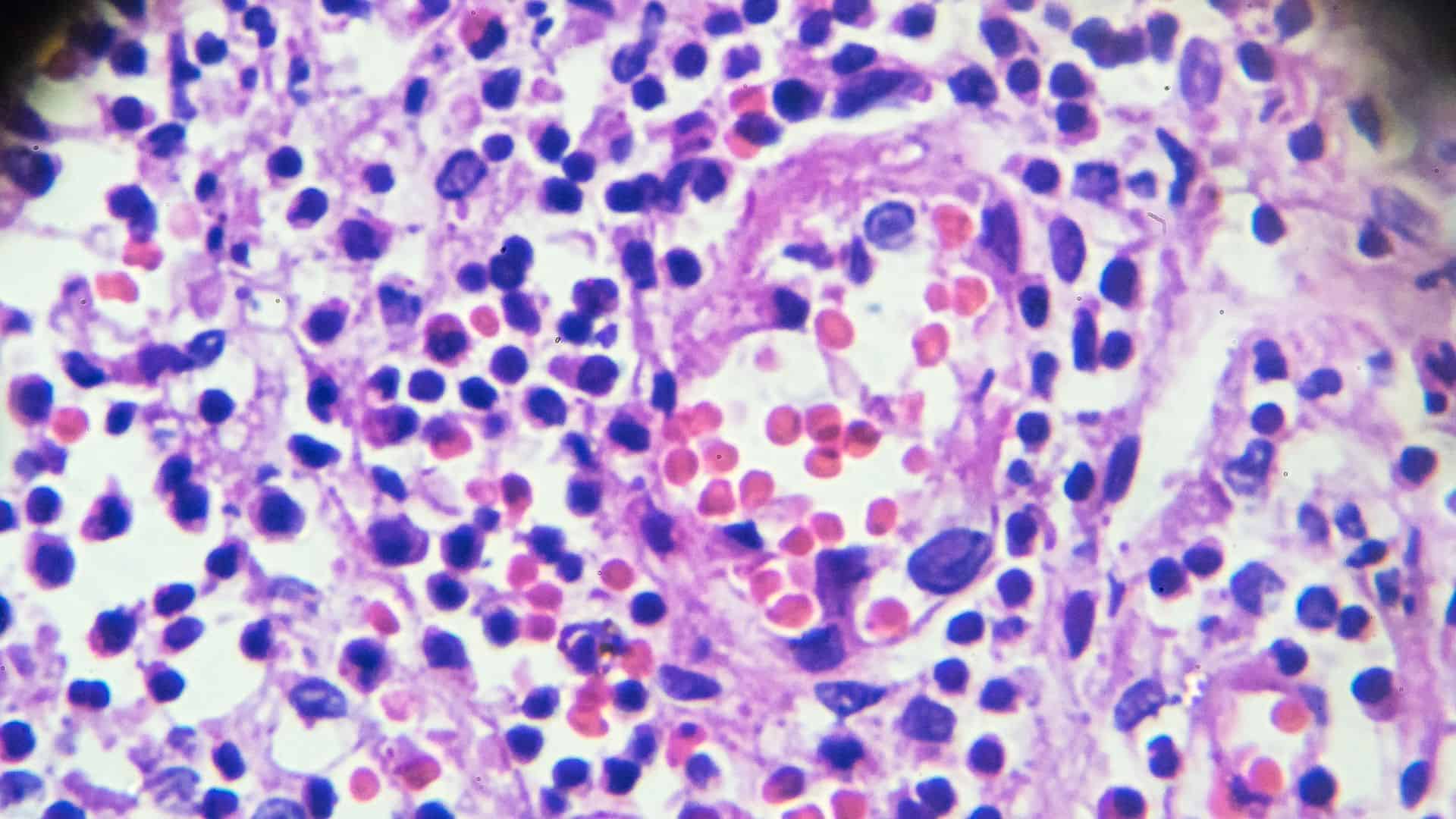
Skin cancer can develop in various layers of the skin and comes in different types, including basal cell, squamous cell, and melanoma. Your pathology report provides detailed information about the tumor, helping you and your care team make informed decisions about treatment.
Our pathologists analyze your skin cancer report with precision and care, translating complex findings into clear insights while supporting you through every decision regarding your care..
Don’t let confusion hold you back. Schedule an online consultation with our expert pathologists and get clear, personalized answers about your diagnosis — all from the comfort of home.
Treatment varies by type and severity. Basal and squamous cell cancers may need less aggressive therapy, while melanoma often requires more intensive care. Understanding the type helps guide treatment.
Sentinel lymph nodes help determine if cancer has spread beyond the skin. Their involvement can affect surgery, chemotherapy, or immunotherapy decisions.
Staging considers tumor size, depth, and spread to lymph nodes or other organs. Accurate staging helps your care team plan the most effective treatment.